
Summary
- AGL says reusing existing high-capacity connections could reduce new network investment and pressure on other customers.
- AirTrunk is proposing a large data centre on the former Kurri Kurri aluminium-smelter site.
- The debate tests whether retired industrial locations can shorten the power-infrastructure route for very large data centre loads.
AGL is urging New South Wales to recognise the value of reusing existing high-capacity industrial electricity connections as the state develops new rules for connecting large data centres.
The Australian energy company argues that brownfield connections can reduce the need for new network construction, lower costs passed through to customers, and preserve scarce grid capacity for other users.
The proposal is particularly relevant to AirTrunk’s plans for a major data centre on the former Kurri Kurri aluminium-smelter site at Loxford, where industrial land and electricity infrastructure are central to the project.
AirTrunk describes the development as a proposed two-storey data centre on the former smelter site. Australian reporting puts the potential investment at about A$5bn and the planned electrical scale at roughly 550MW.
The project offers a large test of whether retired industrial sites can be repurposed for the next generation of electricity-intensive digital infrastructure.
AGL’s submission to the NSW government supports requiring data centres to pay the fair and efficient network costs created by their connections. It also argues that connection rules should offer incentives for facilities that locate away from congested parts of the network, provide demand response, or bring forward firmed renewable generation.
Within that framework, the company wants explicit recognition of sites where high-capacity electrical connections already exist.
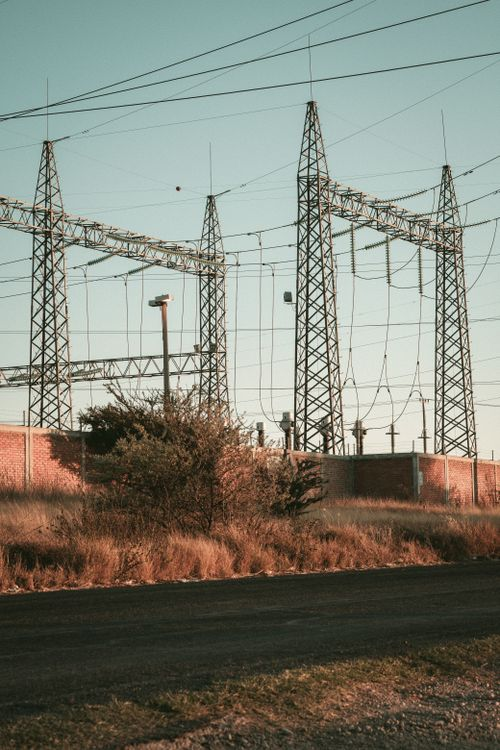
The engineering logic is straightforward. Building a new transmission connection for a several-hundred-megawatt data centre may require new substations, lines, switchgear, protection systems, and upstream reinforcement. A former smelter, power station, or other heavy-industrial facility may already have part of that electrical backbone.
Reuse does not mean the connection can simply be transferred without technical study. Data centres have different demand profiles from smelters and other industrial plants, typically operating continuously and with power-electronic equipment, UPS systems, standby generation, and dense load behind the connection.
Network operators still need to understand fault levels, protection, power quality, ramp rates, operational behaviour, and whether the upstream network can support the new demand profile.
Even so, retaining an established grid corridor can remove one of the hardest development barriers: securing a new route through a constrained network and planning system.
The same logic is appearing in European site selection. Former factories, power stations, refineries, and other industrial properties increasingly attract data centre interest because their electrical history can be more valuable than the buildings left on the land.
Power availability has become sufficiently important that a brownfield plot with an established connection may compete more effectively than an otherwise cleaner greenfield site where the grid connection is uncertain.
AGL is also arguing for a seven-year sunset and formal review of the accelerated data-centre arrangements, reflecting the uncertainty around how quickly projected large loads will materialise.
That uncertainty matters when network investment is being allocated. Utilities risk building expensive infrastructure against speculative projects, while developers can face long delays if networks wait for every load to become fully committed before reinforcement begins.
Kurri Kurri demonstrates why governments are looking for an intermediate route. Reusing industrial infrastructure could allow a major digital load to be connected with less duplication, but the project will still have to demonstrate that the old site’s grid assets can support a fundamentally different use.

