
Summary
- Two Amsterdam data centres are now available to support the Netherlands region.
- The operator now has four European regions and is planning further investment.
- Site IT power and electrical connection capacity remain undisclosed.
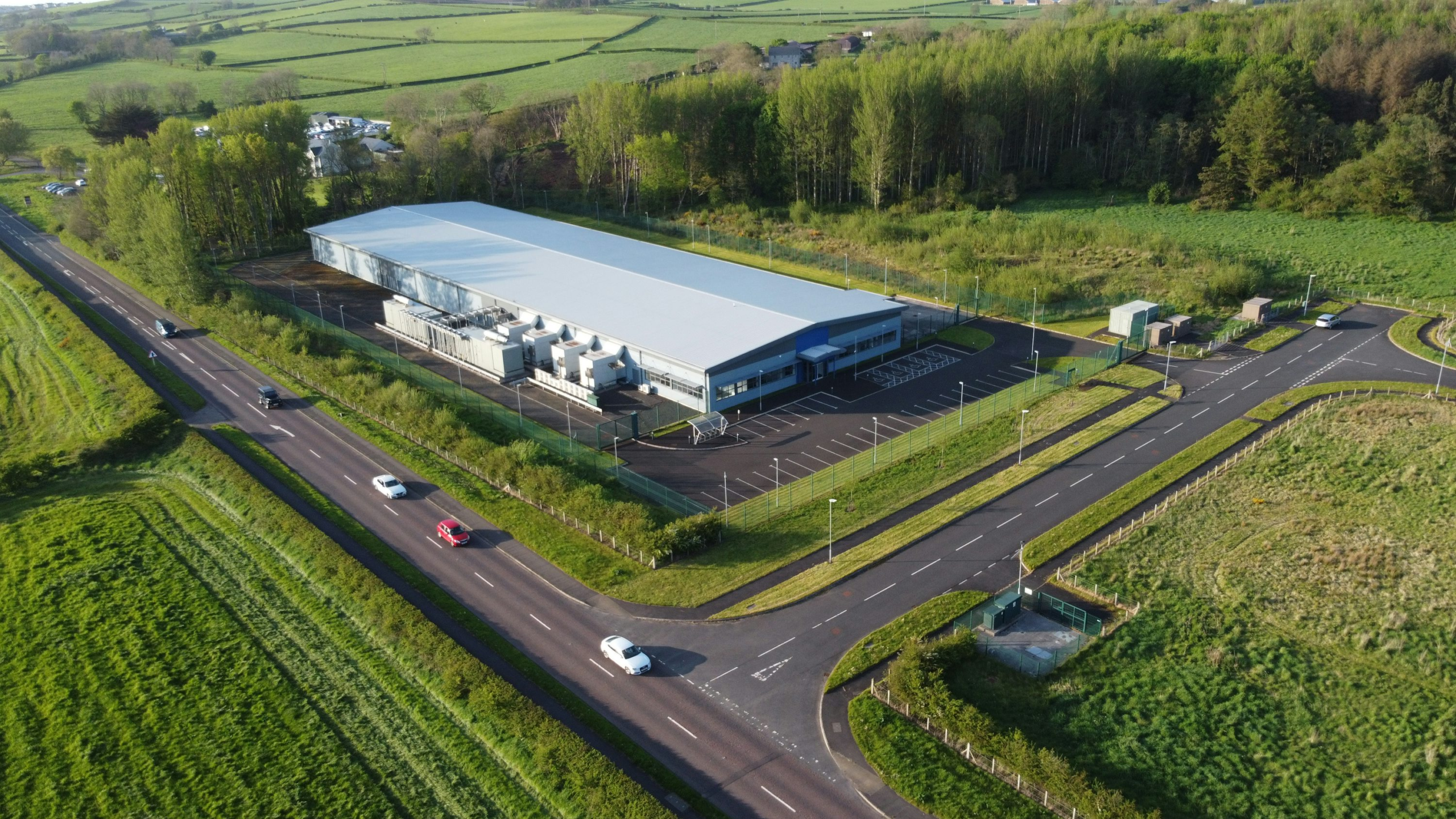
Alibaba Cloud has opened its first Netherlands public cloud region in Amsterdam, with two data centres available for customer workloads. The deployment adds a fourth European region to the company’s existing locations in Frankfurt, London and Paris.
The new facilities became available on 29 October, expanding the operator’s regional computing, storage, networking, database and security services. Alibaba Cloud introduced the region at its International Apsara Conference in Amsterdam, where it also outlined products intended for enterprise AI workloads.
The company has not disclosed the sites’ installed IT power, total electricity demand, data hall area or cooling configuration. Two operational data centres establish a new physical computing location, but they cannot be converted into a megawatt capacity figure without additional engineering information.
Amsterdam is an established European interconnection market, with carrier networks and cloud infrastructure concentrated around the city. Regional proximity may reduce the network distance between applications and their users or connected services. Actual latency still depends on routing arrangements, workload design and the locations of other infrastructure components.
Customers can use the region, Alibaba Cloud says, to place data and applications in the Netherlands. That geographic option can assist with data residency requirements, but compliance depends on the selected services and how organisations configure replication, backups, administrative access and supporting systems.
Two facilities support the region
The region is intended to provide a more resilient and locally accessible environment. However, a pair of data centres does not establish the full independence of their electricity connections, cooling systems, network entrances or operational arrangements. Those characteristics determine how well an application can withstand a facility-level incident.
Customers operating critical workloads need to examine the redundancy model of each available service. Replication between separate resources can improve continuity where it is supported and correctly configured, while resilience against a complete regional disruption may require an additional deployment location.
Cloud availability is also not equivalent to guaranteed physical capacity for every type of workload. High-density accelerator systems can require power distribution and thermal management very different from those associated with conventional general-purpose computing. Alibaba Cloud has not identified the accelerator inventory or rack densities at the Amsterdam sites.
The Dutch region offers elastic computing, storage, containers, networking, databases and cloud security services. Additional agent-oriented AI products are planned for the region, but proposed service availability should be distinguished from infrastructure already operating on launch day.
An updated hybrid cloud platform was introduced at the same event. That product provides another deployment model, including infrastructure operated on customer premises, but does not itself represent additional capacity inside the two new Amsterdam facilities.
European network continues to expand
Following the Netherlands opening, Alibaba Cloud reports 109 availability zones across 32 regions worldwide. The figures describe service locations and operational architecture; they are not measures of physical computing capacity or electricity consumption.
Amsterdam joins three previously established European regions. The company is also planning a first region in Finland and data centre expansion in Germany and France within its wider infrastructure investment programme. Those developments remain at different stages and should not be treated as commissioned simply because the Netherlands region has opened.
Customers choosing between European locations need to assess the regional services offered, the place where information is processed, resilience options and the cost and performance of network connections. Those characteristics can vary by cloud service and workload even within a single provider’s footprint.
European data centre operators increasingly need to match demand growth with electricity connections, cooling resources and available construction capacity. Alibaba Cloud has not disclosed whether the Amsterdam facilities required new grid infrastructure or how future expansion would be accommodated.
The completed development is therefore clear but limited in scale information: two data centres now support a usable Dutch region, extending Alibaba Cloud’s European footprint. Further site-level disclosure would be required to assess the investment’s electrical capacity, thermal design and potential for expansion.
Netherlands-based orq.ai is among the businesses Alibaba Cloud identifies as integrating its model services, illustrating the type of regional demand the operator is seeking to serve. Such customer activity demonstrates interest in the market, but it does not reveal the amount of processing infrastructure deployed inside the new facilities or establish their utilisation.
The opening is part of a previously described $53 billion programme for AI and cloud infrastructure. That international investment figure covers a wider programme and must not be attributed to the Amsterdam facilities alone.

