
Summary
- Delta Cube 3.0 increases claimed cooling capacity and air-cooling energy efficiency by 10% each.
- Revised heat exchangers, fan components, and drive motors support the redesign.
- Aligned says the technology uses no water for operational cooling within its closed-loop system.
Aligned Data Centers has introduced Delta Cube 3.0, a revised air-cooling architecture developed with Munters that the operator says provides 10% more cooling capacity and a 10% improvement in energy efficiency within the existing equipment footprint.
The system is the latest version of Aligned’s proprietary Delta Cube cooling technology, used in the thermal infrastructure supporting its hyperscale and high-density computing facilities.
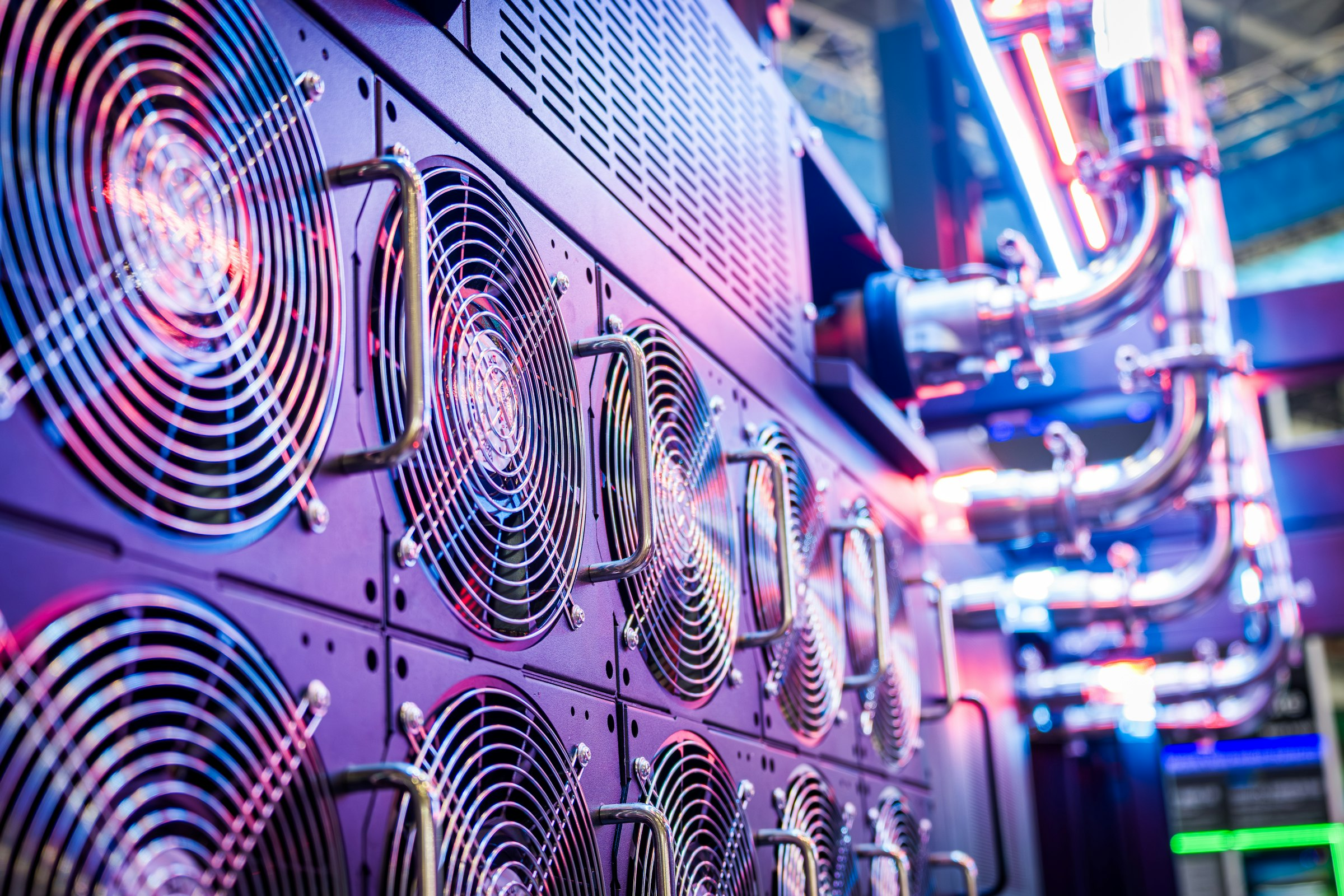
Engineering changes include redesigned heat exchangers, supply fan impellers, and drive motors. The revisions are intended to increase heat removal capability while reducing the electricity required to move air through the cooling system.
The stated improvements are manufacturer performance claims. They have not been presented as independently measured reductions in total electricity consumption across a representative sample of operating data centres.
Aligned says the equipment operates as part of its closed-loop cooling design, which requires no water consumption for operational cooling. That statement concerns the specified cooling process rather than the total water footprint of the company’s facilities.
The updated Delta Cube architecture is intended to support greater computing loads without requiring a proportionate increase in the mechanical space occupied by air-cooling equipment.
This approach can be relevant in facilities where plant rooms, equipment areas, or the arrangement of existing cooling infrastructure place limits on the size of additional systems.
Heat exchangers transfer thermal energy between different air or fluid streams, while fans circulate the air needed to collect and reject heat. Their design and operating efficiency influence how much electrical power the cooling system consumes for a given thermal load.
Changes to fan geometry and motor technology can reduce some of those electrical requirements, but the outcome depends on the required airflow, pressure losses, ambient conditions, and the operating point of the equipment.
An increase in cooling capacity may also allow a facility to support more computing equipment within a given mechanical configuration. That possibility remains conditional on the electrical distribution, physical space, and other systems having sufficient capacity.
Although liquid cooling is becoming more widely used for dense AI equipment, air-based thermal systems remain important in many data centres. Conventional servers, networking equipment, storage systems, and supporting electronics continue to transfer substantial amounts of heat into surrounding air.
Even facilities using direct liquid cooling may retain air-cooling requirements for equipment not connected to the liquid circuit and for heat released into the data hall environment.
Consequently, improving airside performance can complement liquid cooling adoption rather than competing with it in every installation.
The effect on overall energy efficiency must be assessed at system level. A 10% improvement in the efficiency of one cooling component does not automatically produce a 10% reduction in total facility electricity consumption.
Site-wide results depend on the cooling system’s share of energy demand, equipment utilisation, the efficiency of other plant, and the operating temperatures required by the computing installation.
Aligned has also revised the design to support easier maintenance and standardised prefabricated construction. These changes can influence service access and installation procedures, although their effect on individual project delivery times has not been quantified.
Munters contributed cooling engineering and development expertise. The partnership combines the equipment manufacturer’s thermal technology with the operating requirements established through Aligned’s data centre deployments.
Aligned says its Delta Cube technology is supported by more than 50 issued patents containing over 500 patent claims. These are measures of the company’s intellectual property portfolio, not proof that every performance claim applies to every installed configuration.
In a data hall with mixed equipment, airside cooling still has to accommodate heat released by components outside the liquid circuit. The amount of heat reaching the air depends on server and networking design, coolant temperatures and the thermal performance of the racks and plant.
The unchanged equipment footprint could also simplify the use of the revised system where space is already allocated to existing cooling units. Any retrofit would still need to verify compatibility with the site’s electrical supply, ducts, equipment access and control system, rather than assuming the latest generation is a drop-in replacement for all earlier installations.
The design will need to be evaluated against its stated performance conditions when customers compare alternative cooling systems or consider adapting existing facilities.
Additional operating measurements will be needed to establish the energy and cooling performance achieved at specific facilities, particularly where the new systems are integrated with existing electrical and mechanical infrastructure.

