
Summary
- Bulk is acquiring municipal land at Longum Nord within Eyde Material Park, where the wider industrial area promotes 800MW of power capacity.
- The proposed data centre site sits inside a Norwegian industrial zone originally shaped around battery and materials manufacturing.
- The project adds another Nordic capacity play where power availability, land readiness, and municipal balance sheets are tightly linked.
Bulk Infrastructure is moving to acquire municipal land in Arendal, southern Norway, for a data centre development targeting a 150MW grid connection by the end of 2029.
The site is at Longum Nord within Eyde Material Park, an industrial area on Norway’s southern coast promoted for power-intensive manufacturing, logistics, and green-transition industries. Arendal municipality approved the sale of plot number 25, block number 121, for NOK600m, with Bulk acquiring the land through Bulk Data Centers Arendal AS.
The deal would redirect an industrial plot previously associated with recycling plans towards digital infrastructure. Arendal municipality bought the site in 2024 for NOK200m, and local reporting has said the sale proceeds are expected to help reduce municipal debt.
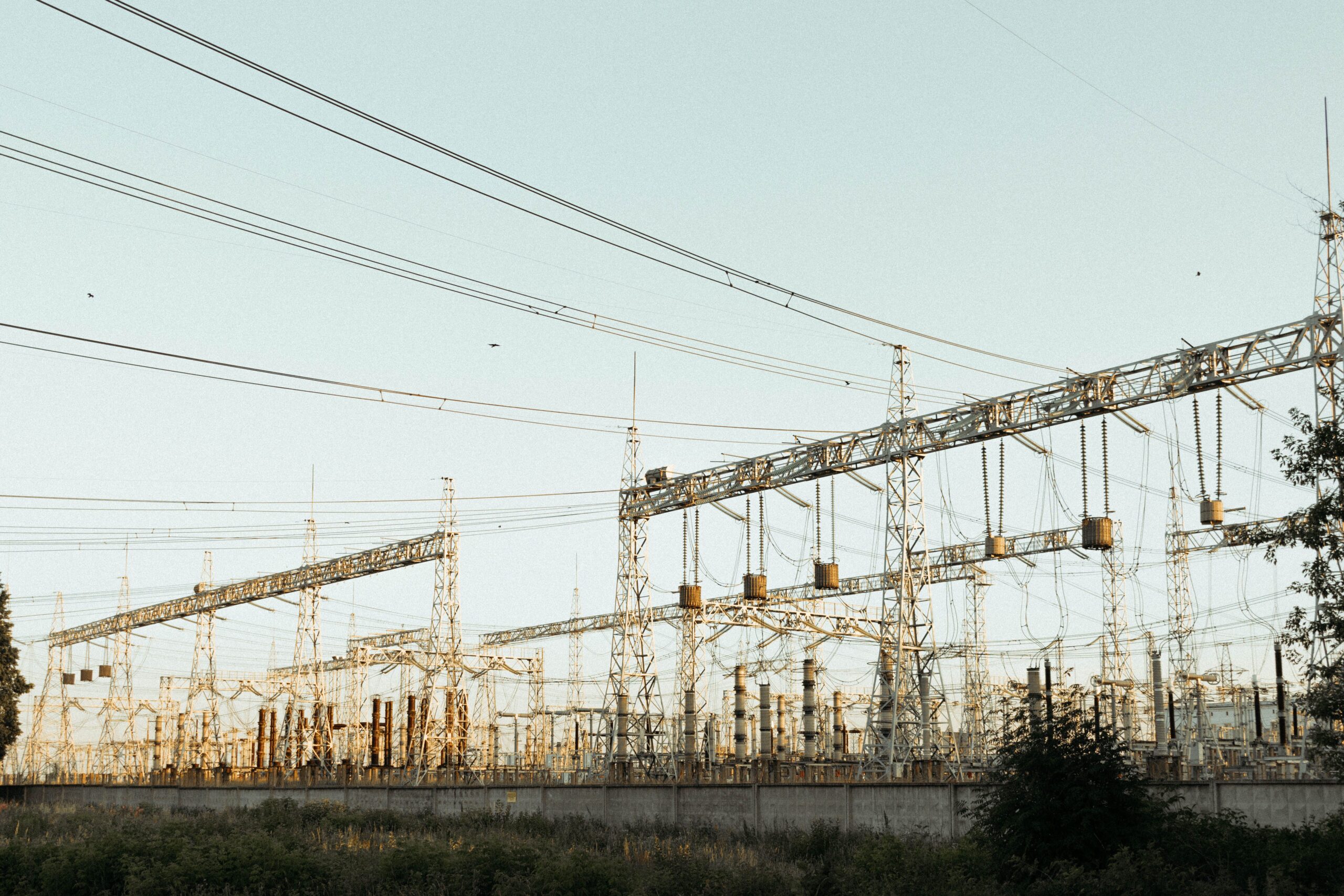
Eyde Material Park describes itself as a 250-hectare industrial park with 800MW of total power capacity, proximity to hydroelectric generation, and logistics access to the E18 and Port of Arendal. The park has been built around battery and materials manufacturing, although the attributes that make it attractive to industry — power, land, road access, and zoning — are now pulling in data centre developers as well.
Industrial land turns digital
Arendal’s attraction is not difficult to read. Norway offers a cool climate, a power system dominated by renewables, and a growing supply of industrial parks looking for large, long-term offtakers. For cloud and AI infrastructure, the harder question is whether land, grid capacity, fibre, planning, and construction timing can be assembled into a bankable site.
Bulk already operates the N01 data centre campus near Kristiansand, one of the Nordic region’s major high-capacity locations. The company has also been strengthening its power strategy, including a 10-year power purchase agreement tied to the Øygard hydropower plant from its expected commissioning in 2029.
That date sits close to the Arendal connection target. A 150MW grid connection by the end of 2029 would place the project in the next wave of Nordic capacity rather than the immediate leasing cycle. Before there is a data hall, there is a land and power position.
The site also captures a wider land-use shift. Across Europe, data centre developers are competing for land originally planned around batteries, hydrogen, materials, or advanced manufacturing. Eyde Material Park’s masterplan and infrastructure material emphasise power capacity, transport access, and industrial zoning. Those same criteria now sit at the centre of hyperscale and AI site selection.
Power sets the buildable frontier
The Nordic pitch has moved beyond cheap green electricity. Developers now need deliverable green electricity, supported by substations, upstream network headroom, grid studies, and connection timetables that can survive due diligence.
For Arendal, the land sale is also a municipal finance and industrial-policy decision. A recycling-led industrial use and a data centre-led industrial use produce different local outcomes. Data centres bring large capital programmes, long-term load, and demand for network and technical services, but they do not typically produce operational employment in proportion to their electrical consumption.
That trade-off is becoming more visible as municipalities prepare industrial land with public resources and then choose between competing power-intensive uses. Norway is well placed on low-carbon electricity, but not immune to grid contention. A 150MW data centre connection is a major load, and it has to sit alongside electrification, manufacturing, transport, and household demand.
If Bulk secures the site and connection timetable, Arendal could become another Nordic node in the AI infrastructure map. If grid delivery or local politics slow the plan, the project will sit with a growing list of European schemes where demand moved faster than the underlying infrastructure.
The land may be available, the market may be hungry, and the power may be comparatively clean. The project still turns on the same hard sequence as every large European data centre development: secure the land, secure the power, satisfy the municipality, and only then start counting megawatts as capacity.

