
Summary
- CPP Investments, Equinix, and Partners Group now hold approximately 51%, 34%, and 10% of atNorth respectively.
- The completed transaction is supported by a US$4.1 billion financing package from European and Canadian lenders.
- atNorth operates eight Nordic data centres and has major projects under development across Sweden, Finland, Norway, and Denmark.
atNorth has moved under its new ownership structure after CPP Investments and Equinix completed their US$4 billion acquisition of the Nordic data centre operator.
The transaction gives Canada Pension Plan Investment Board an approximately 51% controlling stake, with Equinix holding around 34% and former owner Partners Group reinvesting for approximately 10%. The balance is held by internal atNorth stakeholders that have rolled over part of their equity.
The final structure differs from the outline announced in February, when CPP Investments and Equinix expected to own roughly 60% and 40% respectively. Partners Group’s decision to reinvest has reduced those percentages while retaining the same US$4 billion enterprise value for the transaction.
CPP Investments is committing US$1.3 billion, Equinix US$895 million, and Partners Group US$260 million. atNorth said the transaction is supported by a US$4.1 billion financing package underwritten by European and Canadian lenders, covering the acquisition and capital required to expand the business.
Completion follows the regulatory process previously covered by DataCentral when EU competition authorities cleared the acquisition in August. The significance has now shifted from whether the deal can proceed to how the new shareholders finance and execute atNorth’s development pipeline.
Eight operating sites and a larger pipeline
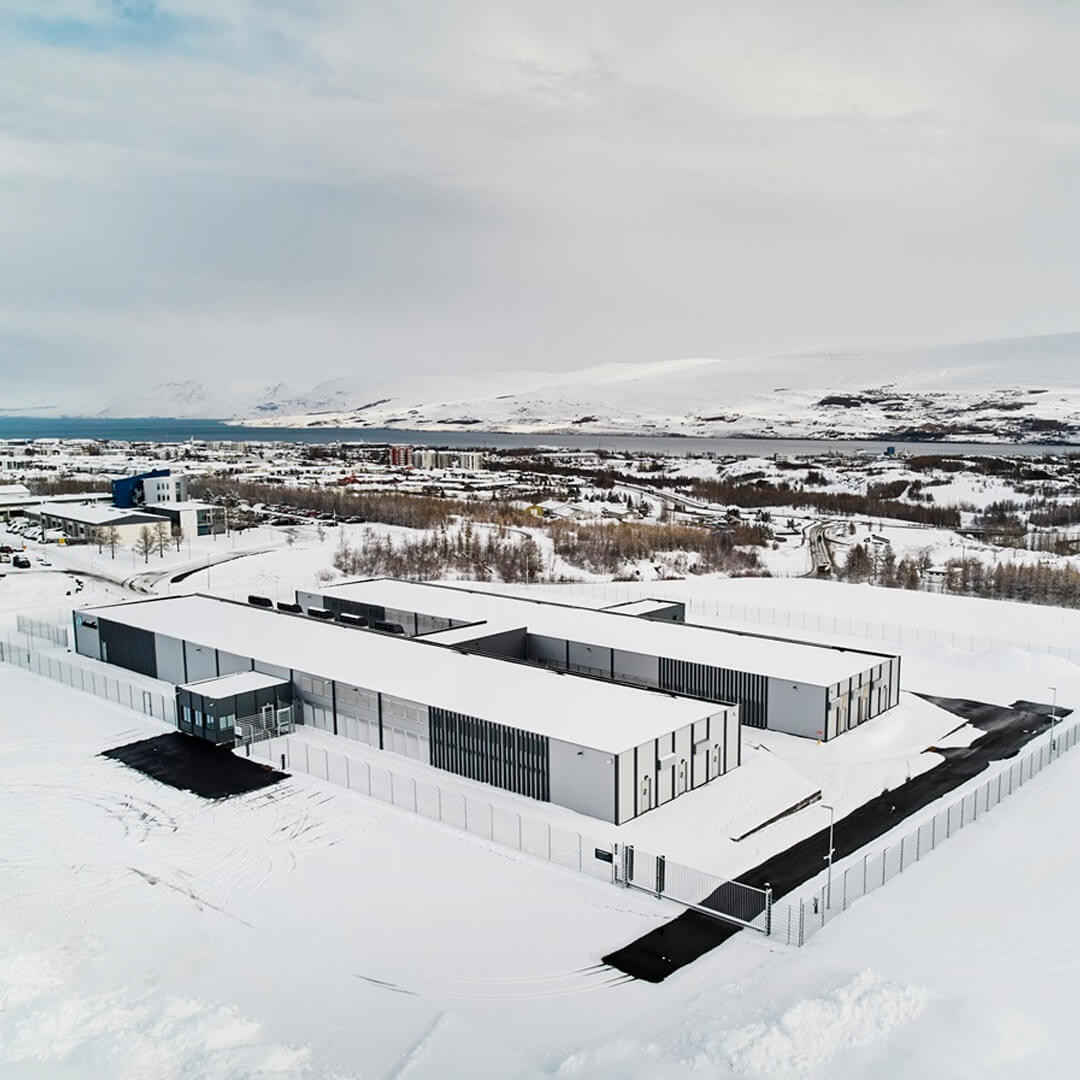
atNorth currently operates eight data centres across the five Nordic countries. It also has major campuses under development in Kouvola in Finland, Ølgod in Denmark, Sollefteå in Sweden, and Haugaland in Norway, alongside a new metro site planned in Stockholm and extensions to existing facilities.
That pipeline gives the acquisition a different character from the purchase of a mature colocation portfolio. The value depends heavily on future capacity delivery, which requires power connections, construction, cooling systems, financing, and customer commitments to line up across multiple markets.
The Nordic region has become an increasingly important destination for large-scale compute because of its electricity mix, cooler climate, availability of industrial sites, and established high-performance computing market. Those advantages are not unlimited. Large new campuses still compete for grid capacity, transmission investment, equipment, and skilled construction labour, while the expansion of AI infrastructure is increasing the density and power requirements of individual deployments.
atNorth has built its position partly around high-density colocation, built-to-suit campuses, liquid and other advanced cooling technologies, and heat-reuse schemes. The company says all of its operational sites use renewable electricity and closed-loop water-cooling arrangements, although individual site designs and local power conditions differ.
For Equinix, the holding provides exposure to capacity outside the conventional metropolitan interconnection model that underpins much of its global portfolio. atNorth will continue to operate independently under its existing brand, meaning the acquisition does not amount to a straightforward integration of the Nordic facilities into Equinix’s own retail colocation estate.
Capital moves towards powered capacity
Large infrastructure transactions are increasingly being shaped by the scarcity of developable, powered sites. Buying an operating platform with an established pipeline can provide a route to new capacity that would take years to assemble through individual land, grid, planning, and construction programmes.
The same pressures help explain the volume of institutional capital moving into Nordic operators. The region offers attractive generation characteristics, but new demand is also forcing operators to demonstrate that apparently favourable power markets can actually support individual projects at the scale and timetable required.
atNorth’s new owners are therefore buying both operating assets and execution risk. The financing package gives the company substantial capital backing, but each development still has to convert permitted or planned capacity into commissioned halls that customers can energise.
With the competition process closed and the ownership structure settled, the next measure of the transaction will be physical delivery. atNorth’s pipeline now sits behind shareholders with considerably larger balance sheets and global customer relationships, while the constraints remain the familiar ones: power, cooling, construction, and time to operation.

