
Summary
- Betolar and Enersense have signed a framework agreement covering electrical substations and critical infrastructure in Finland and the Baltic states.
- Their proposed systems include protective walls, drone nets and site-specific engineering, combining physical protection with existing electrical installations.
- Individual customer contracts will determine project responsibilities, costs and delivery; no installation is confirmed under the framework.
Betolar and Finnish engineering company Enersense have signed a framework agreement to develop and deliver physical protection for electrical substations and other critical infrastructure in Finland and the Baltic states, including assets serving data centres.
The agreement announced on 20 October formalises cooperation first established through a letter of intent in May. It sets out how the two companies intend to develop protective structures and deliver projects, rather than announcing a completed installation or a contract with a named data centre operator.
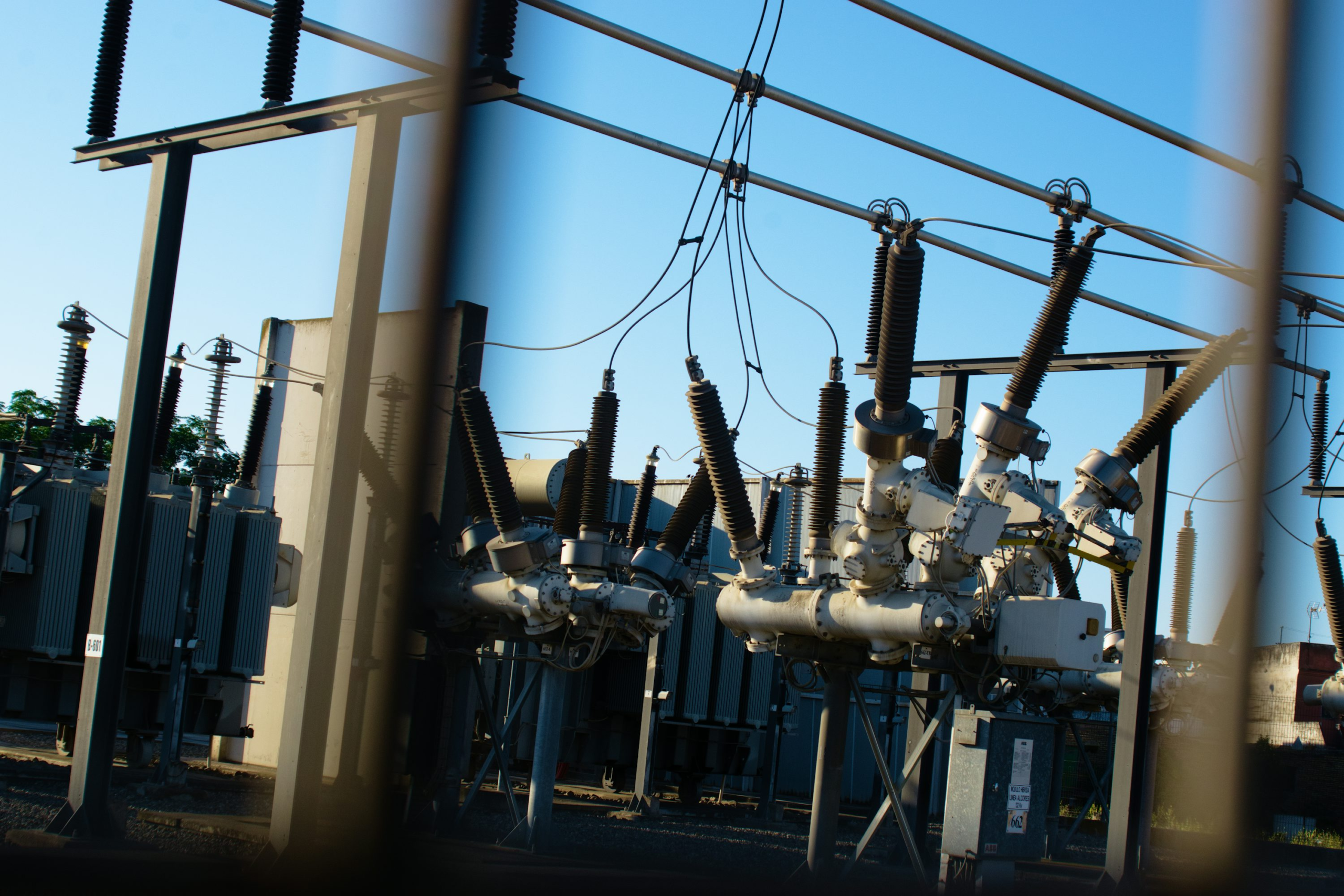
The proposed work combines Betolar’s protective materials and threat assessment capabilities with Enersense’s expertise in designing, building and maintaining electrical substations. Equipment may include protective walls, structures supporting drone nets and other measures selected for an individual location.
Neither company has disclosed the framework’s financial value, a customer installation schedule or independently measured protection performance. Separate project agreements will determine the responsible contractor and precise engineering scope.
Electrical assets require site-specific protection
Incoming substations and transformers are essential to data centres because they allow electricity to be received, converted and distributed to the systems operating inside a facility. Damage to equipment outside a computing building can threaten service continuity even where server halls and network equipment remain physically intact.
Large sites may incorporate alternative electrical feeds, uninterruptible power supplies and standby generation. These arrangements address defined supply interruptions and equipment faults, but cannot by themselves ensure that exposed plant is protected against deliberate physical attack.
Betolar’s modular protection concepts are intended to create physical separation between potential threats and critical equipment. Their actual effectiveness will depend on structure, placement, the threat considered and the requirements of the location. The companies have not published a uniform impact rating or an independently certified data centre installation under the latest framework.
Protective works must also preserve safe operation. Engineers need appropriate access to inspect, isolate and replace transformers or switchgear, while clearances, ventilation and emergency arrangements must remain compatible with the electrical installation.
A wall or enclosure that restricts maintenance or obstructs essential equipment movement could introduce operational problems. Enersense’s substation construction and maintenance experience is intended to support the integration of protection measures with the infrastructure that operators already use.
The companies have not specified how any individual system will be anchored, what equipment sizes it can accommodate or whether installation can be completed without interrupting an operating substation. Those questions belong to project-level design and contracting.
October framework advances earlier cooperation
Betolar described a modular solution for protecting substations, particularly main transformers, in April. The company and Enersense then signed a letter of intent in May to pursue commercial cooperation and develop arrangements for bringing the technology to customers.
Later in May, Betolar extended its protection concept to larger critical infrastructure locations, identifying data centres alongside energy facilities, water infrastructure and industrial sites as possible applications. The October agreement therefore provides a new contractual framework for the partnership, not the original launch of the protection technology.
Under the framework, Betolar contributes its protection systems and specialist understanding of assessing physical threats. Enersense provides experience in electrical network engineering and site delivery. Either company may lead a particular project, depending on the requirements and agreements established with the customer.
The partnership also allows for use of Betolar’s lower-carbon concrete materials in appropriate substation projects. Material selection would require site-specific structural and durability assessments, and the announcement does not quantify the embodied carbon saving from a completed installation.
Finland and the Baltic states are the stated target markets. The companies cite increasing concern about infrastructure sabotage, damaged subsea cables and attacks on electrical equipment, but do not claim that a particular Finnish or Baltic data centre has suffered one of the incidents described.
Deployment requires individual customer contracts
Data centre electrical infrastructure may be owned by a facility operator, a network company or several parties across a connection boundary. The party responsible for a transformer or incoming substation would influence who can commission protective work and approve changes to the installation.
Existing sites and projects still in design may require different approaches. Retrofitting structures around live equipment creates constraints involving clearances, access and construction safety, whereas planned sites can accommodate protective measures within the initial arrangement.
Protection planning also has to account for components beyond the main transformer. Incoming cables, switching equipment, communications links and control systems can each introduce dependencies that affect how resilient a site remains following a physical incident.
Betolar and Enersense have not announced individual work orders, contract revenue or installation dates under the framework. Its commercial outcome will depend on customers commissioning defined designs and progressing them through engineering, procurement and installation.
The confirmed development is a stronger delivery arrangement between two Finnish suppliers serving substations and critical infrastructure, with data centres explicitly within its scope. Evidence of operational protection and measured performance will require later project-specific disclosures.

