
Summary
- HOCHTIEF is the intended contractor and operator, subject to the procurement standstill period and final approvals.
- The first phase has outline consent, a 6MW electricity offer, and up to £300 million of proposed private investment.
- Liquid cooling and heat reuse will depend on detailed system design, local demand, and the route to greater power capacity.
Blackpool Council intends to award the first Silicon Sands data centre concession to HOCHTIEF Data Centre Partner UK following a competitive procurement process.
The decision remains subject to the mandatory standstill period and final governance approvals. Under the provisional arrangement, the private sector would fund construction, investment, and operation, with the council expecting the first phase to bring up to £300 million into the Fylde coast.
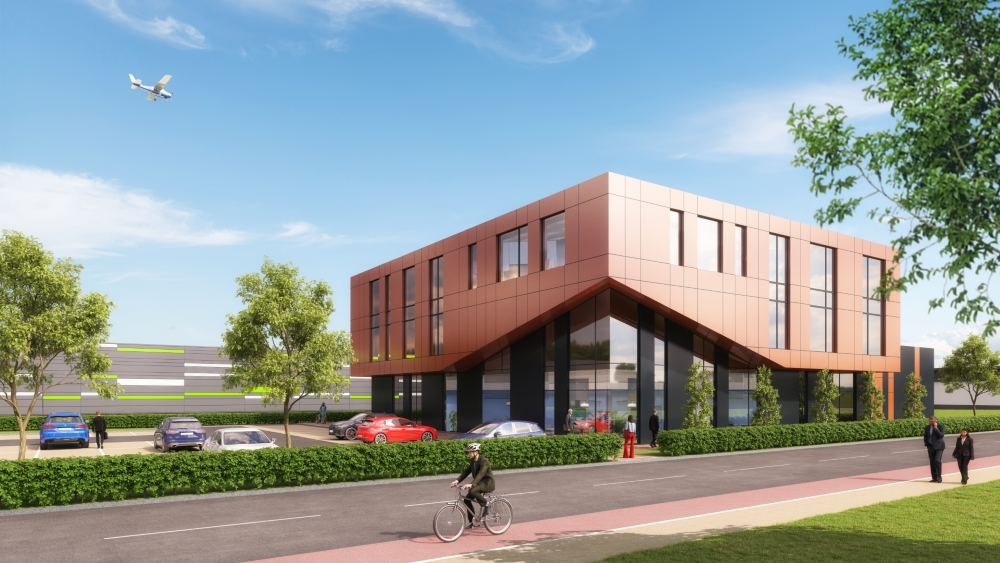
Outline planning permission covers the data centre and approximately 20,000 sq ft of office and research space. The initial development has a 6MW electricity-supply offer from SP Electricity North West and would occupy land formerly used for Blackpool Airport’s fire station, engineering yard, administration offices, and security point.
Six megawatts establishes the first operating phase
An initial 6MW facility is modest beside current hyperscale campuses, although it is sufficient to establish an operating site, local technical capability, and a platform for later expansion. The scale may suit regional cloud, public-sector, AI inference, research, or enterprise workloads that do not require hundreds of megawatts at one location.
A new 32MVA primary substation is also under construction for the wider Blackpool Airport Enterprise Zone. Its capacity will serve broader local demand, and the amount ultimately available to Silicon Sands will depend on network design, allocation, diversity assumptions, and future connection agreements.
The project has been developed around access to subsea connectivity, industrial land, renewable-energy opportunities, and the enterprise zone. Its first facility will test whether those attributes can attract customers outside the established London and Slough data centre market.
Cooling and heat reuse enter the delivery brief
Blackpool intends the facility to use closed-loop liquid cooling. The published material does not identify whether the final design will use direct-to-chip cold plates, immersion, rear-door heat exchangers, or another liquid architecture.
That decision will affect coolant temperatures, pumping, maintenance, water treatment, controls, and the form of external heat rejection. A closed technology loop can reduce routine water consumption inside the IT system, although the chillers, dry coolers, or hybrid plant outside it may still use water under some operating conditions.
The council also plans to connect the development to a local heat network. Data centre heat can serve nearby buildings or industrial users where temperature, distance, and demand are suitable, but a viable system requires pipework, pumps, heat exchangers, metering, backup heat, and commercial agreements.
The office and research space could provide a local load, although absorbing a substantial share of data centre heat will require a larger network. Winter heating demand is easier to match than summer operation unless domestic hot-water, leisure, industrial, or other year-round users are connected.
The temperature available from the data centre will influence whether a heat pump is required before the energy can enter the network. Higher return temperatures from direct liquid cooling can improve the economics, provided the customer hardware and cooling design support them.
Private capital removes much of the construction and operating expenditure from the council’s balance sheet, but the final concession will still need to allocate land, power, planning, demand, performance, and handback risk. The agreement’s duration and treatment of the energy infrastructure have not yet been disclosed.
HOCHTIEF brings construction and data centre delivery capability, while commercial success will also depend on securing customers. Lower land costs and potential renewable supply are useful, but users will require resilient fibre, technical redundancy, service capability, and a credible expansion route.
The 6MW first phase still needs substantial electrical and mechanical infrastructure, including transformers, switchgear, UPS systems, standby power, liquid-cooling distribution, heat rejection, controls, fire protection, security, and commissioning.
Construction costs and equipment lead times may influence the final programme, particularly where a regional development has less purchasing scale than a major hyperscale campus. Early coordination between the contractor, network company, cooling supplier, and future operator will be required to prevent interfaces from delaying energisation.
Silicon Sands has been presented as a wider programme of digital investment and employment rather than a single building. Those ambitions depend on the first concession reaching contract award, financial close, construction, power delivery, and customer operation.
The intended award moves the scheme beyond land assembly and outline planning. The final concession, detailed technical design, construction timetable, heat-network plan, and confirmed energisation date will determine whether the first facility establishes a viable data centre cluster on the Fylde coast.

