
Summary
- CX Technology Campus proposes up to 161,920 sq m of AI-enabled data centre space on a 55-hectare Chapelcross site.
- The developer describes a long-term 1GW campus supplied through a mix of grid and low-carbon energy infrastructure.
- Planning and environmental assessment must still test the project’s power, noise, water, transport, ecology, and construction claims.
CX Technology Campus has submitted its Planning Permission in Principle application for a proposed data centre and energy campus at Chapelcross in Dumfries and Galloway, advancing plans for up to 161,920 sq m of AI-enabled data centre space on land north of the former nuclear power station.
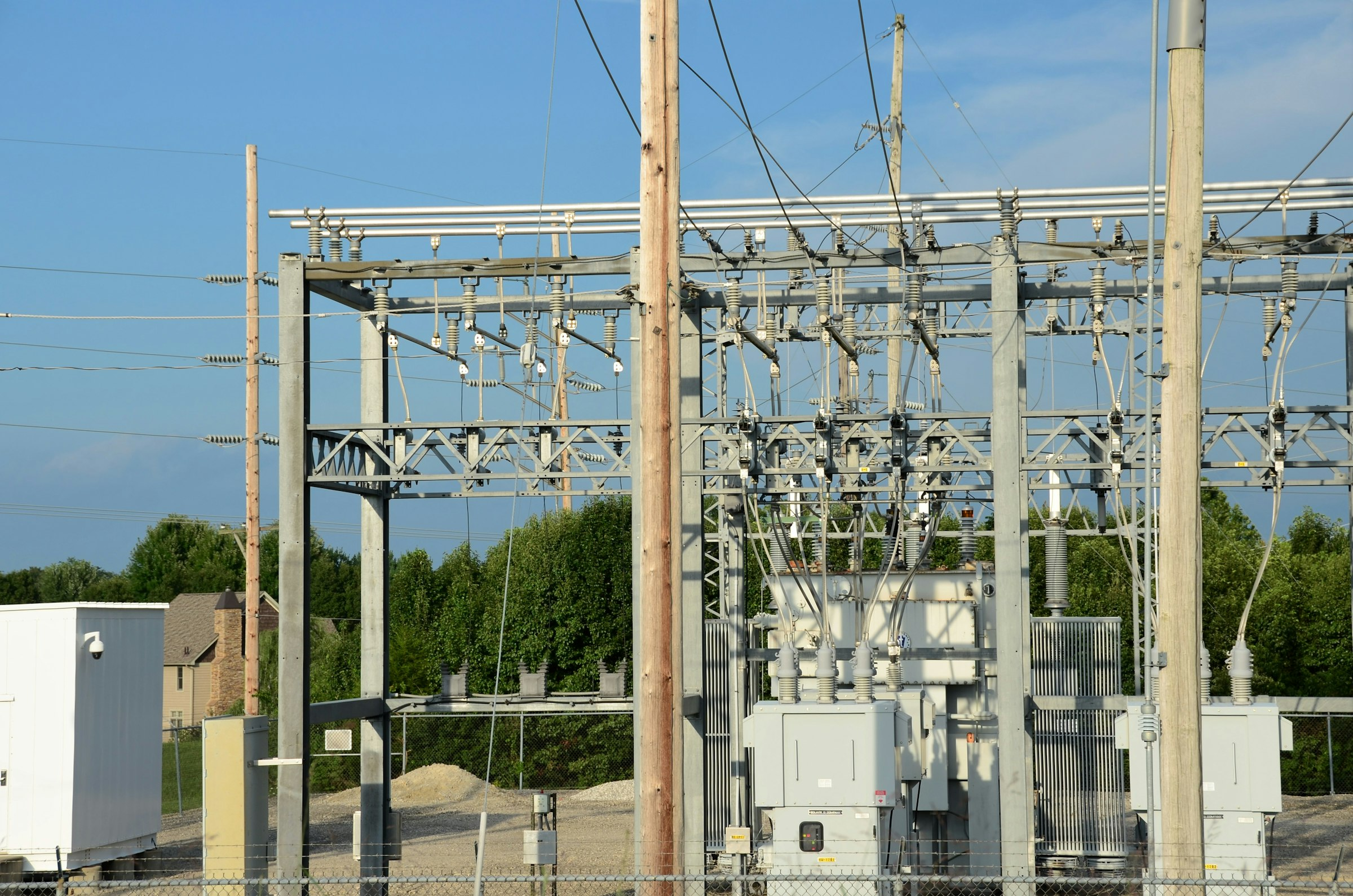
The 55-hectare scheme is being led by CX Power and combines hyperscale data centres with on-site power-distribution infrastructure, a substation, industrial and innovation space, and a training and skills facility. The developer describes the long-term concept as a 1GW technology campus supplied through a mix of grid capacity and renewable or low-carbon energy, including wind, solar, biomass, and hydrogen.
An Environmental Impact Assessment Scoping Report was submitted earlier in 2026, and the full environmental assessment forms part of the planning process now under way. The stated scale makes the power strategy the central delivery question rather than a secondary element of the masterplan.
A 1GW campus would represent an industrial-scale electricity requirement. The project’s proposed generation mix, private-grid concept, and use of existing network infrastructure therefore remain development ambitions until individual generation assets, grid arrangements, consents, finance, and construction are secured.
Former nuclear site offers infrastructure, not automatic capacity
Chapelcross has characteristics that explain the interest in the location. It is a former nuclear power station site with established electricity infrastructure, nearby renewable generation, road access, and a long history of energy-related industrial activity.
CX Power says the campus can use existing high-capacity grid infrastructure and integrate local and regional green energy through a private-grid model. The site lies around 3.6km north-east of Annan, close to the M74 and A75.
Those advantages do not remove the need for detailed connection engineering. Existing transmission infrastructure at an energy site does not automatically mean a gigawatt of new continuous demand can be connected on the timetable required by a data centre campus.
The development will therefore need to demonstrate how capacity is phased, which generation sources are available at each stage, how intermittency is managed, what backup plant is required, and how the private network interfaces with the public grid.
The cooling and water claims also require scrutiny. The developer says the campus is intended to operate using a zero-water-consumption model. The Environmental Impact Assessment will need to establish what cooling systems enable that approach, how heat is rejected during warmer weather, and what water is required for ancillary operations even if evaporative cooling is avoided.
Construction is currently presented as a phased programme beginning in 2027 and running through to 2035, subject to consent. That long delivery window is consistent with the scale of electrical and data centre infrastructure proposed, but it also means the final campus may be delivered in stages that differ materially from the initial masterplan.
The planning process is taking place against growing local scrutiny. Residents and campaigners have raised questions over noise, environmental effects, and the power requirement, while the project team has been conducting community consultation in Annan and Creca.
Recent Scottish planning direction requiring Environmental Impact Assessment for new data centres above 50MW places large projects such as Chapelcross firmly inside a more formal environmental-review regime. For a campus proposing many times that threshold, the assessment will need to deal with cumulative effects rather than treating each data hall in isolation.
The former nuclear site gives the proposal a stronger infrastructure starting point than a generic greenfield location. It also sets a high bar for demonstrating that the next use of Chapelcross is supported by an equally credible power system.
The distinction between headline investment, planned megawatts, and buildable capacity will remain central as the application progresses. Planning permission would establish the development envelope; the private grid, generation, transmission arrangements, customers, and construction contracts will determine how much of the 1GW ambition ultimately becomes operating data centre capacity.

