
Summary
- Compass was marketing a $380m asset-backed securities offering in November.
- Investors reportedly withdrew following an operational disruption involving cooling infrastructure.
- The incident demonstrates how facility performance can influence the assessment of infrastructure-backed financing.
Compass Datacenters has reportedly postponed a $380m asset-backed securities transaction following an operational disruption at one of its facilities, as investors reassessed their participation in the proposed financing.
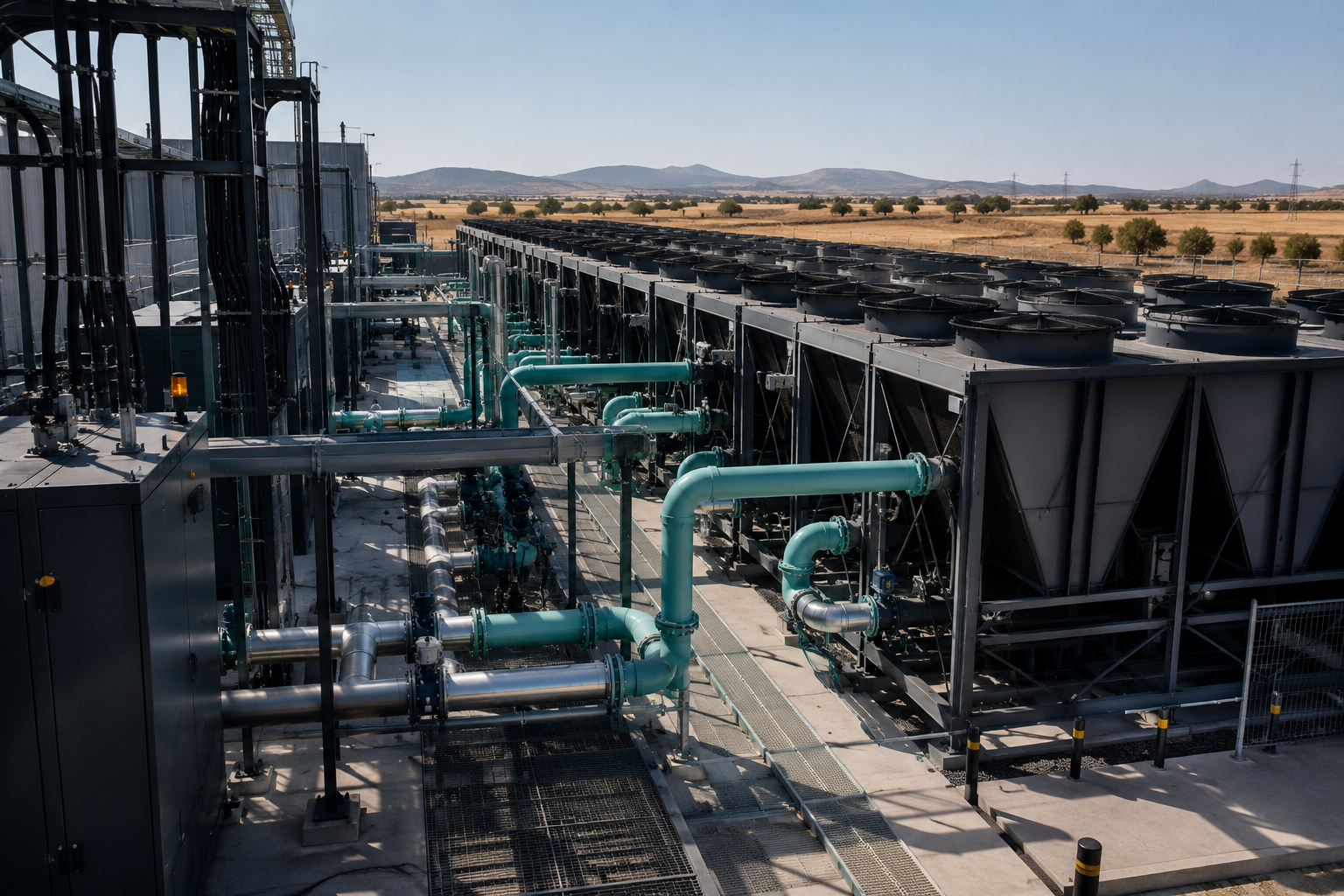
Bloomberg reported on 25 November, citing people familiar with the transaction, that a cooling system failure had preceded investor withdrawals from the offering.
The Commercial Real Estate Finance Council (CREFC) had independently identified the CMPDC 2026-1 transaction within its data centre securitisation pipeline, with pricing guidance available on 20 November.
The council’s subsequent market reporting had not identified completed pricing for the offering.
Compass has not publicly confirmed the reported postponement in the information available at publication. The precise cause of the cooling failure, its contractual consequences, and the amount of investment withdrawn have not been independently established.
The company has previously raised substantial capital through securitisation, including a reported $413m transaction in July supported by operating wholesale data centres.
Its latest financing difficulties highlight the relationship between the condition and performance of physical infrastructure and the income supporting data centre debt obligations.
Operating performance underpins financing arrangements
Asset-backed securities provide financing against defined assets or the cash flows associated with them. Data centre securitisations can incorporate payments made by customers for access to computing space, electrical capacity, and supporting infrastructure services.
Long-term contractual arrangements can provide revenue visibility, particularly where customers have committed to occupying facilities for several years.
However, the reliability of those cash flows also depends on the operator’s ability to meet its obligations concerning the availability and operating conditions of the infrastructure.
Data centre service agreements may establish requirements covering electrical continuity, temperature, humidity, and the availability of supporting mechanical systems.
Failure to maintain specified conditions can lead to service credits or contractual disputes, depending on the agreement concerned. More extensive disruption can also affect customer decisions concerning subsequent procurement and the renewal of existing arrangements.
Cooling failures can expose several dependencies within a facility’s mechanical and electrical architecture. Heat removal depends on the operation of equipment ranging from pumps and heat exchangers to chillers, cooling towers, distribution pipework, sensors, and control systems.
Redundant mechanical equipment can reduce exposure to individual component failures, but its effectiveness depends on the configuration of the installation and its ability to maintain acceptable operating conditions when equipment becomes unavailable.
Shared infrastructure, control failures, and maintenance activities can alter the performance of otherwise redundant systems.
The financial consequences of the Compass incident cannot be established without details of the affected facility, the extent of disruption, relevant customer contracts, and the remedial measures undertaken.
Investors assess infrastructure risk alongside contractual income
Data centre securitisation has become an increasingly established source of infrastructure financing, enabling operators to raise debt against facilities and their associated commercial arrangements.
Rapid growth in computing investment has increased interest in financing structures capable of supporting both development expenditure and the refinancing of completed facilities.
DataCentral previously examined how financial institutions are using credit insurance to manage their growing exposure to computing infrastructure lending.
Securitisation distributes risk through a different financial structure, with the credit quality and operating characteristics of the underlying assets influencing investor assessments.
An operational disruption during an offering can create uncertainty over those characteristics, particularly before contractual liabilities and the effectiveness of remedial engineering work have been established.
Postponing a financing transaction may require an infrastructure owner to retain existing funding arrangements for longer or reconsider the commercial terms on which additional capital can be raised.
European developers seeking access to infrastructure debt markets face comparable requirements to demonstrate the reliability of their operating facilities and the customer agreements supporting projected income, even where their financing structures differ from US securitisations.
Further information concerning Compass’s proposed offering, including any revised timetable or pricing, will provide a clearer indication of the incident’s effect on the transaction. The reported postponement does not independently establish deterioration across the company’s wider operating portfolio.

