
Summary
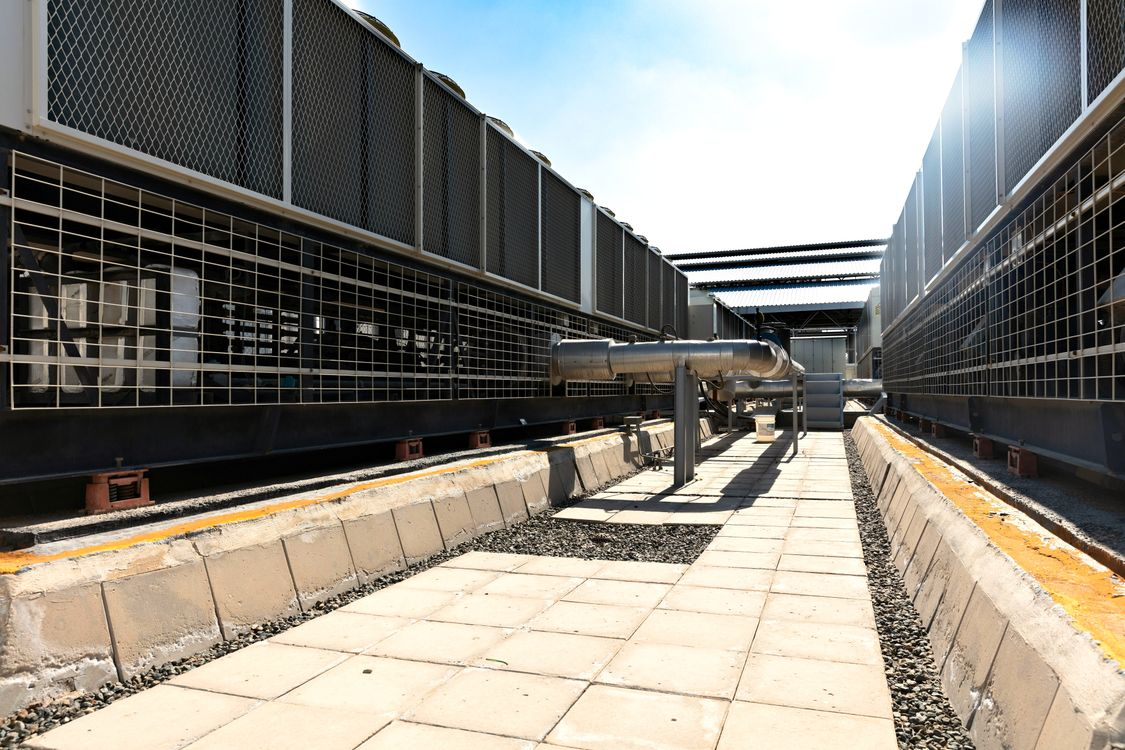
- An anomaly affected the main cooling system at Basilicata’s regional data centre in Potenza.
- The backup cooling system failed to start, destabilising storage systems and making several public services temporarily unavailable.
- Regional authorities ruled out a cyberattack, leaving the failure of the cooling fallback as the central resilience question.
A fault in the main cooling system at a regional data centre in Potenza, combined with the failure of its backup cooling to start, disrupted healthcare and public administration systems across Basilicata in southern Italy.
Regione Basilicata said technicians worked for several hours on the incident after instability affected data storage systems and made several services temporarily unavailable. Investigators ruled out a cyberattack and said there was no evidence of unauthorised access, theft, exfiltration or unauthorised disclosure of personal data.
Healthcare restoration received priority because the region’s Central Reservation Centre supports bookings for medical services. The outage also affected administrative processes, including university scholarship and accommodation deadlines, and contributed to the postponement of a Regional Council meeting.
The physical cause puts the incident into a different resilience category from a cyber compromise even though the visible symptoms can look similar. Servers and storage may remain logically intact but still become unavailable if the mechanical systems that keep them inside acceptable temperature limits fail.
The backup path failed when it was needed
Data centre cooling is normally designed with redundancy because heat continues to accumulate while servers, storage and network equipment consume electricity. If a primary cooling path is lost, standby equipment has to assume the thermal load quickly enough to keep temperatures and component conditions inside their operating limits.
Basilicata’s account identifies two linked failures: an anomaly affected the main cooling system, and the backup system did not start. The resulting condition destabilised storage infrastructure rather than remaining confined to the mechanical plant.
That sequence exposes the practical difference between installed redundancy and effective redundancy. A second chiller, pump, control system or other cooling path can exist physically without protecting the workload if it cannot start, if it shares a failed dependency or if controls do not transfer the load correctly.
The public information does not identify the failed component or explain why the backup cooling did not activate. Assigning the event to a particular maintenance error, control defect or design weakness would therefore go beyond the available evidence. The confirmed operational point is narrower: the intended fallback did not prevent the cooling problem from reaching storage systems and public services.
Storage adds another recovery layer because restoring room conditions does not automatically restore applications. Operators have to establish whether arrays and servers shut down cleanly, whether replication remained consistent and whether dependent applications can reconnect without introducing corrupted or incomplete transactions.
Facility failures become service failures
Public sector data centres make those dependencies visible because a facility interruption can quickly reach services with few practical alternatives. A healthcare booking platform, for example, may support multiple hospitals and clinics, so a central infrastructure fault can affect users across the region rather than only staff inside one building.
Recovery priorities consequently form part of resilience planning. Operators need to know which systems must return first, what storage, network and identity services they depend on and how data integrity will be checked before transactions resume. Basilicata said its initial work concentrated on healthcare because of its importance to the community.
The regional government’s decision to rule out a cyberattack after investigation also shows why physical and cyber incident response increasingly overlap during the first stages of an outage. A failed application, inaccessible storage or interrupted public portal does not reveal whether the cause sits in malware, networking, power, cooling, storage hardware or software until the underlying infrastructure is examined.
Mechanical systems are especially easy to overlook in digital service discussions because they do not process the data themselves. Yet cooling plant is part of the computing chain: without sufficient heat rejection, IT equipment eventually throttles, alarms or shuts down, and storage systems can become unstable before the room appears catastrophically hot to a human observer.
The Potenza incident also underlines the need to test failover rather than infer resilience from equipment lists. Standby systems can deteriorate while unused, control logic can change and dependencies can emerge after maintenance or upgrades. Periodic transfer testing is intended to reveal whether backup plant will actually carry the required load under operating conditions.
No published account yet establishes whether such testing was deficient in Basilicata, so that should not be assumed here. The outstanding engineering question is simply why the backup cooling failed to start during a real loss of the primary system and what corrective work is required before the same fault sequence can recur.
Restoring the affected services resolves the immediate operational incident. Closing the resilience gap requires a root cause finding that reaches beyond the first cooling anomaly and explains why the second line of defence was unavailable at the same time.

