
Summary
- Drax is progressing a planning application for a roughly 100MW first-phase data centre.
- The proposed first phase would use existing grid infrastructure at Drax Power Station.
- The company continues to examine a substantially larger long-term data centre opportunity at the site.
Drax is continuing development work on a roughly 100MW first-phase data centre at Drax Power Station in North Yorkshire.
The energy company said in its latest trading update that it expects to submit a planning application for the proposed front-of-the-meter development in the coming months.
Drax has previously disclosed that it is assessing data centre use for part of the power station estate, so the latest update represents progress towards planning rather than the first announcement of the project.
The attraction of the site centres on infrastructure already assembled for large-scale electricity generation.
Power-station infrastructure shortens part of the development chain
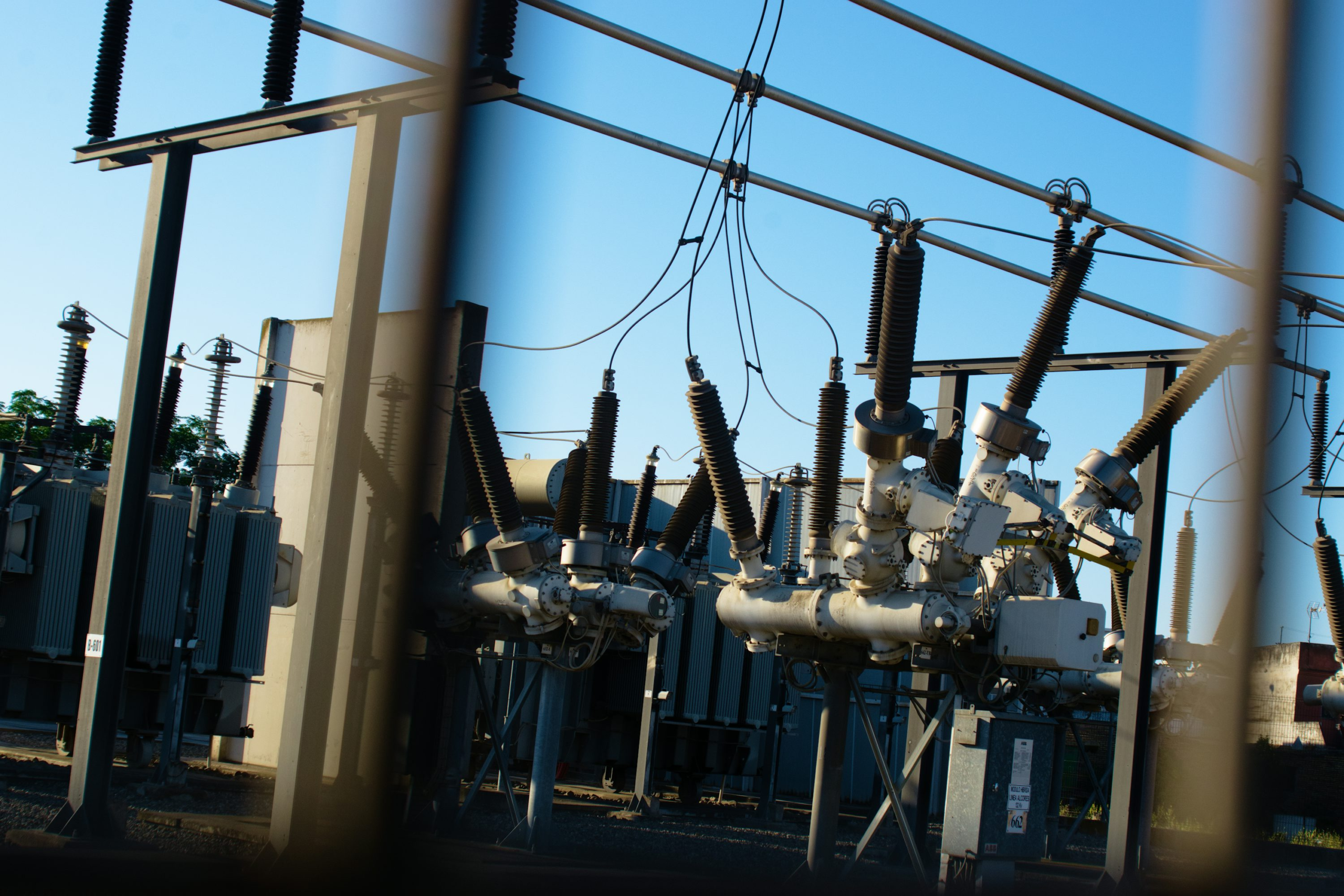
Drax Power Station has high-voltage grid connections, substantial land, electrical equipment, industrial access, security infrastructure, and a long history of operating large energy assets.
Those characteristics are increasingly attractive to data centre developers as conventional grid connection timelines lengthen.
A former or existing power site can remove some of the early uncertainty around land and high-voltage infrastructure, although it does not remove the need for planning, customer commitments, cooling, network connectivity, backup systems, and data centre-specific electrical design.
The proposed first phase has been described as front of the meter. That means the project should not be characterised simply as a data centre powered directly by adjacent Drax generation.
Instead, existing grid infrastructure forms part of the development case.
The company has also outlined a much larger potential data centre opportunity for the estate over the longer term, extending beyond the initial roughly 100MW phase.
Planning will expose the engineering detail
A formal planning application should provide a clearer view of the first phase, including building scale, site layout, cooling architecture, noise controls, construction traffic, landscaping, and supporting electrical equipment.
It should also help distinguish between the much larger capacity potential discussed for the wider site and the infrastructure actually proposed for initial construction.
Power access remains a substantial advantage, but it is only one part of the delivery sequence. The project will still need major switchgear, transformers, UPS systems, backup power, cooling plant, fibre, and commissioning before IT load can be supported.
Those packages increasingly carry their own lead-time constraints.
The next meaningful milestone is therefore the planning submission rather than the headline long-term capacity figure. It will show how Drax intends to translate the infrastructure of a major power station into the first buildable phase of a data centre development.

