
Summary
- VK confirmed a drone attack against its Leningrad region data centre on 18 October.
- Regional authorities reported damage to transformer equipment and warehouse infrastructure.
- Independent monitoring recorded a decline in VK network connectivity, but the relationship between the strike and reported service problems remains unconfirmed.
Russian technology company VK has confirmed a drone attack against its data centre in the Leningrad region, with regional authorities reporting damage to transformer equipment and a warehouse at the facility.
The attack occurred during the night of 18 October as drones targeted several locations around St Petersburg and the surrounding region.
VK said its services remained available to users in their normal operating state. However, independent monitoring subsequently recorded a substantial decline in network connectivity, while users reported difficulty accessing some of the company’s platforms.
Internet monitoring organisation NetBlocks measured connectivity associated with VK at approximately 56% of its usual level during the incident, equivalent to a decline of about 44 percentage points.
That measurement reflects externally observed network availability. It does not establish that 44% of users lost service or identify which parts of VK’s infrastructure were responsible for the change.
Reports of problems affected VKontakte and some associated services, including music streaming. The company has not published a technical incident report explaining the discrepancy between its statement and the monitoring observations.
The data centre is located near Novosergievka in the Vsevolozhsk district, outside St Petersburg. The site has previously been described as an important component of VK’s computing infrastructure.
Transformer damage raises power-system questions
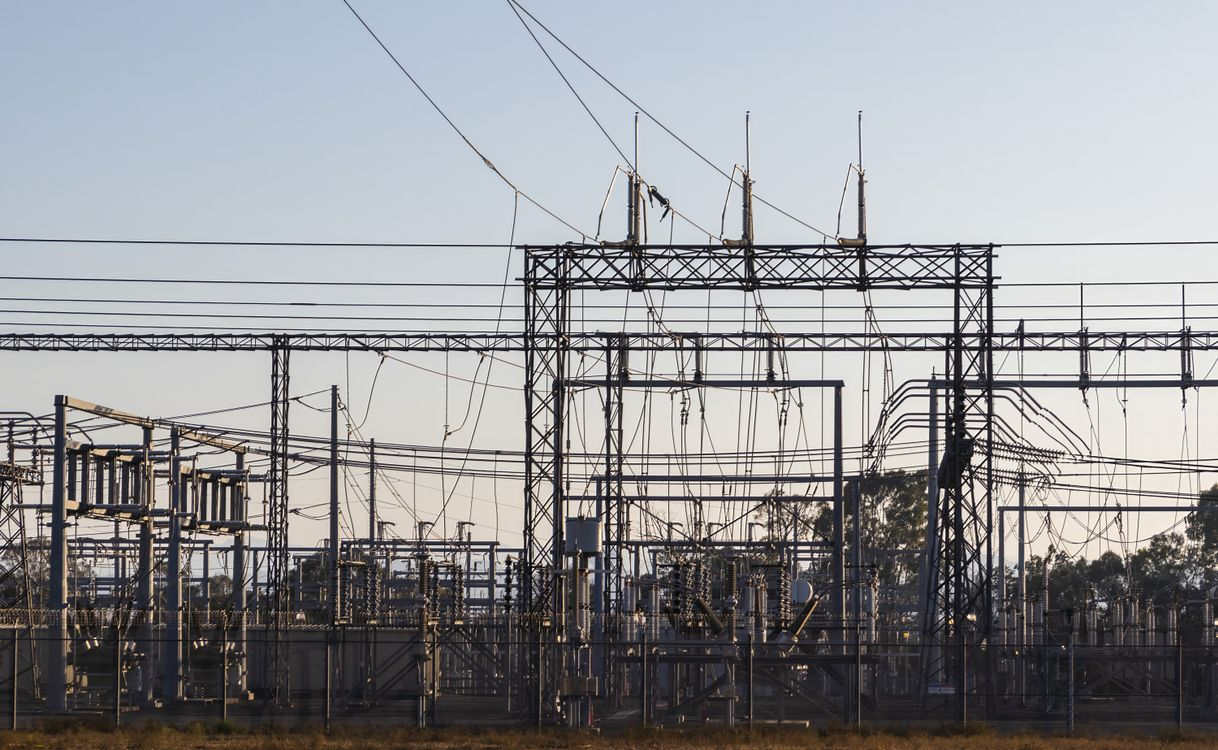
Regional governor Alexander Drozdenko reported that transformer equipment and a warehouse complex at the data centre had sustained damage.
The available information does not establish the precise equipment affected, the severity of the damage, or whether electricity supply to computing systems was interrupted.
Transformers form part of the infrastructure used to convert incoming electricity to the voltages required by a facility’s distribution network.
A transformer failure can affect the electrical supply available to connected equipment, although its operational consequences depend on the configuration of the site and the availability of alternative supply paths.
Large data centres may incorporate redundant transformers, switchgear, uninterruptible power supplies, and standby generation to reduce the risk of a single electrical fault causing an extended outage.
Those systems provide protection against defined equipment failures and interruptions, but their effectiveness depends on the actual arrangement and operating condition of the installation.
VK has not disclosed whether redundant electrical systems were activated during the attack or whether any equipment was shut down as a precaution.
Damage to warehouse facilities can introduce different operational concerns, particularly if the affected premises contain replacement equipment, maintenance materials, or other resources needed for recovery.
The reported warehouse damage cannot be assumed to have affected those functions without information about what the building contained.
Likewise, the observed decline in connectivity could reflect damage to telecommunications infrastructure, an electrical disturbance, network routing changes, or other events occurring during the wider attack.
NetBlocks’ measurements provide evidence of reduced network availability, but they do not establish a definitive causal connection between the damaged transformer equipment and the service problems reported by users.
Physical attacks test infrastructure resilience
The incident follows attacks affecting facilities associated with Sberbank and Yandex, adding VK to the Russian technology operators whose infrastructure has been exposed to direct physical threats during the war.
Russian attacks have also damaged Ukrainian digital infrastructure, including data centres and supporting electricity networks.
Such incidents expose risks different from those associated with conventional cyber intrusions. Damage to a transformer, communications route, or supporting building may interrupt computing services without involving unauthorised access to software or information systems.
Maintaining service during a physical attack can depend on the ability to isolate damaged equipment, transfer loads between electrical paths, and direct network traffic through unaffected infrastructure.
Those capabilities require deliberate engineering. Redundant equipment must not share so many dependencies that one incident can disable every available path.
Geographically distributed facilities can provide additional resilience where computing applications, data, and network services can continue operating from other locations.
However, having multiple data centres does not automatically guarantee continuity. The distribution of workloads, dependency on individual databases, and availability of telecommunications connections influence whether a service can operate during the loss of a facility.
Security planning must also consider infrastructure situated outside the protected computing halls. Transformers, incoming cables, cooling plant, fuel systems, and network termination equipment can be essential to operations while occupying exposed locations.
The VK attack provides a further example of physical damage intersecting with digital service availability. Yet the company’s limited disclosures prevent a reliable assessment of how much computing capacity, if any, was lost.
The reported transformer and warehouse damage is more specific than the initial confirmation of an attack, but it does not establish the duration of any electrical interruption or the extent of recovery work.
Further technical information from VK would be needed to determine whether its continuity arrangements maintained normal application operation, supported degraded services, or transferred workloads away from the affected facility.

