
Summary
- The NSDC proposes European control of at least 50% of newly available capacity by 2030.
- Its framework includes reserving network capacity for qualifying multi-customer European facilities.
- The proposals form part of policy consultation and have not been adopted into EU law.
The Nederlandse Soevereine Datacenter Coöperatie (NSDC) has proposed new European ownership and grid allocation requirements for data centres, arguing that expanding physical computing capacity will not necessarily reduce Europe’s dependence on overseas providers.
The Dutch cooperative wants at least half of the data centre capacity becoming newly available after the introduction of the proposed Cloud and AI Development Act to be operated under European control by the end of 2030.
Its submission, published on 9 November, calls for regulatory measures covering ownership, electricity network access, public procurement, and the ability of customers to move between computing providers.
The cooperative supports the broader objective of expanding European data centre capacity but argues that simply increasing the number of facilities would leave unresolved questions about who controls the infrastructure.
It proposes that qualifying operators should be subject to European ownership and governance requirements, including control over management, security, and operational continuity.
A European physical location would not, under the proposed definition, be sufficient if decisive control remained outside the bloc.
The NSDC estimates that the Netherlands currently has between 1.6GW and 2GW of data centre capacity, of which approximately 300MW to 400MW is under Dutch or wider European control.
Those figures are estimates presented by the cooperative rather than an independently verified audit of the market.
Grid allocation forms part of sovereignty policy
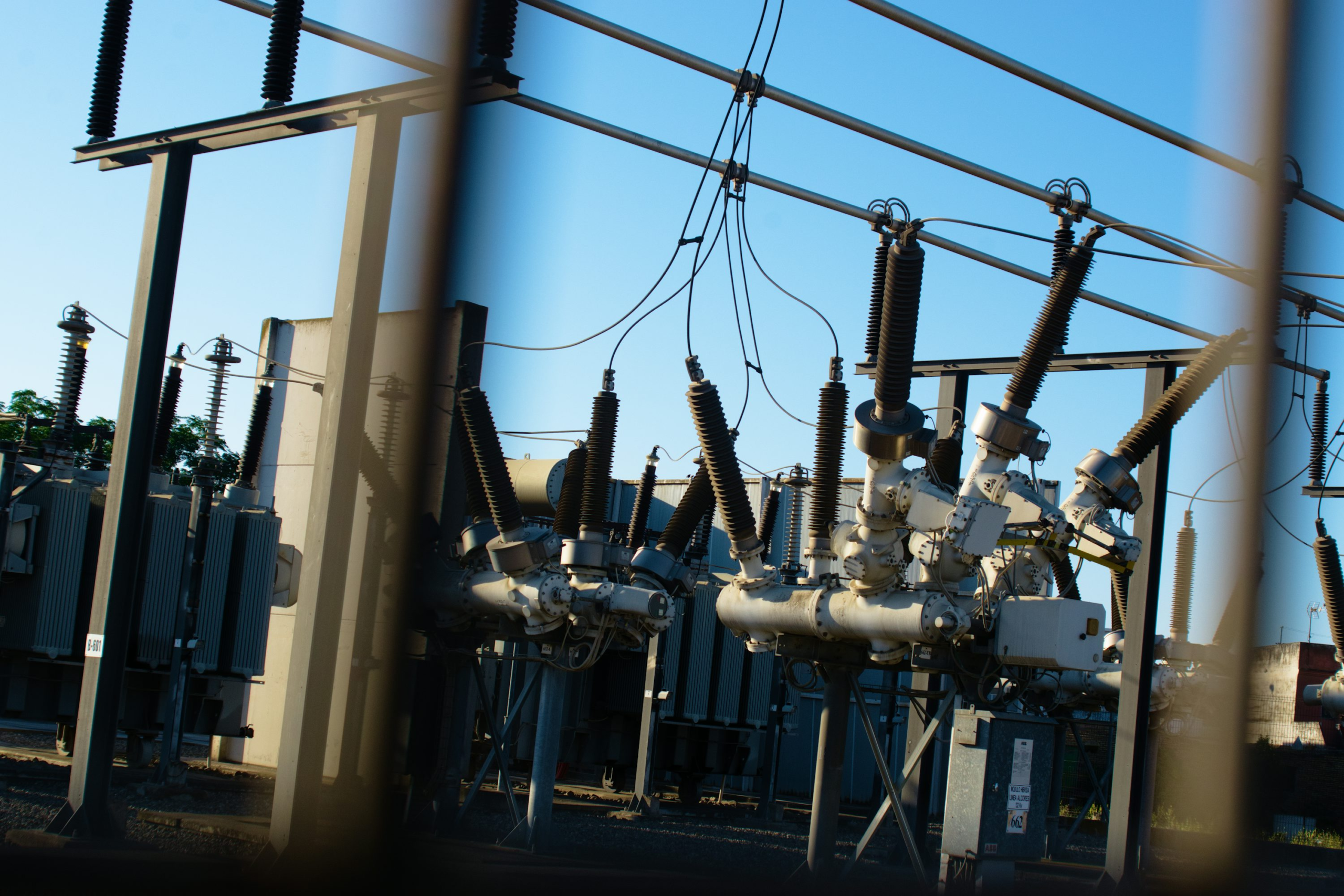
The proposal extends beyond ownership by seeking preferential access to electricity network capacity for qualifying facilities.
In areas designated for accelerated data centre development, the cooperative proposes reserving half of new grid connection capacity for European-controlled operators.
It also wants those facilities to serve multiple independent customers rather than operate effectively as dedicated infrastructure for a single large technology business.
Under its proposed conditions, an eligible facility would need at least three independent customers, with no individual customer accounting for more than half of the capacity.
Those requirements are intended to prevent facilities from qualifying as multi-customer infrastructure while remaining commercially dependent on one dominant tenant.
Electricity network capacity is an important element of the proposal because grid connections can constrain new development even where investment capital and suitable land are available.
Allocating scarce connection capacity according to ownership and customer structure would represent a significant change to the framework governing digital infrastructure development.
Such arrangements would require clear eligibility rules, transparent allocation decisions, and consideration of their effects on competition and network investment.
The NSDC’s recommendations do not establish an adopted mechanism for resolving those issues.
Public procurement would support demand
The cooperative also proposes that European public authorities give preference to qualifying European-controlled infrastructure when procuring sensitive cloud and AI services.
For services meeting specified EU assurance classifications, it wants processing, backup, and disaster recovery infrastructure to remain within the European Union under European operational control.
Long-term public contracts could provide qualifying operators with more predictable demand, potentially improving the financing position of new infrastructure projects.
However, ownership and procurement measures address different forms of dependency from the underlying technical infrastructure.
A data centre owned by a European company may still rely on international suppliers for servers, processors, networking equipment, and software.
Conversely, a facility physically located within the EU may be operated through management systems or contractual arrangements controlled elsewhere.
The NSDC’s recommendations therefore seek to address both physical location and the legal and commercial control of computing services.
Customer portability is another component. The cooperative wants providers to make it easier to export data and applications using documented formats without contractual barriers that prevent migration.
Those measures could reduce dependence on individual suppliers, although the technical difficulty of moving complex applications would not necessarily disappear.
The recommendations remain part of the policy debate surrounding the Cloud and AI Development Act and related Dutch initiatives.
No EU-wide ownership quota or preferential grid reservation requirement has been enacted on the basis of this submission.
The next legislative stages will determine whether European institutions incorporate any of these proposals into binding rules governing new capacity, public procurement, and the allocation of infrastructure resources.

