
Summary
- Fortum is developing an approximately 60-hectare site at Pispantalli in Valkeakoski for future data centre use.
- Valkeakoski is preparing the detailed local plan while Fortum begins the environmental impact assessment process.
- Fortum intends to prepare and market the site, leaving the eventual data centre investment to a future developer and operator.
Fortum is advancing an approximately 60-hectare site in Valkeakoski, Finland, for future data centre development, with local planning and environmental assessment now moving forward before an operator has been selected.
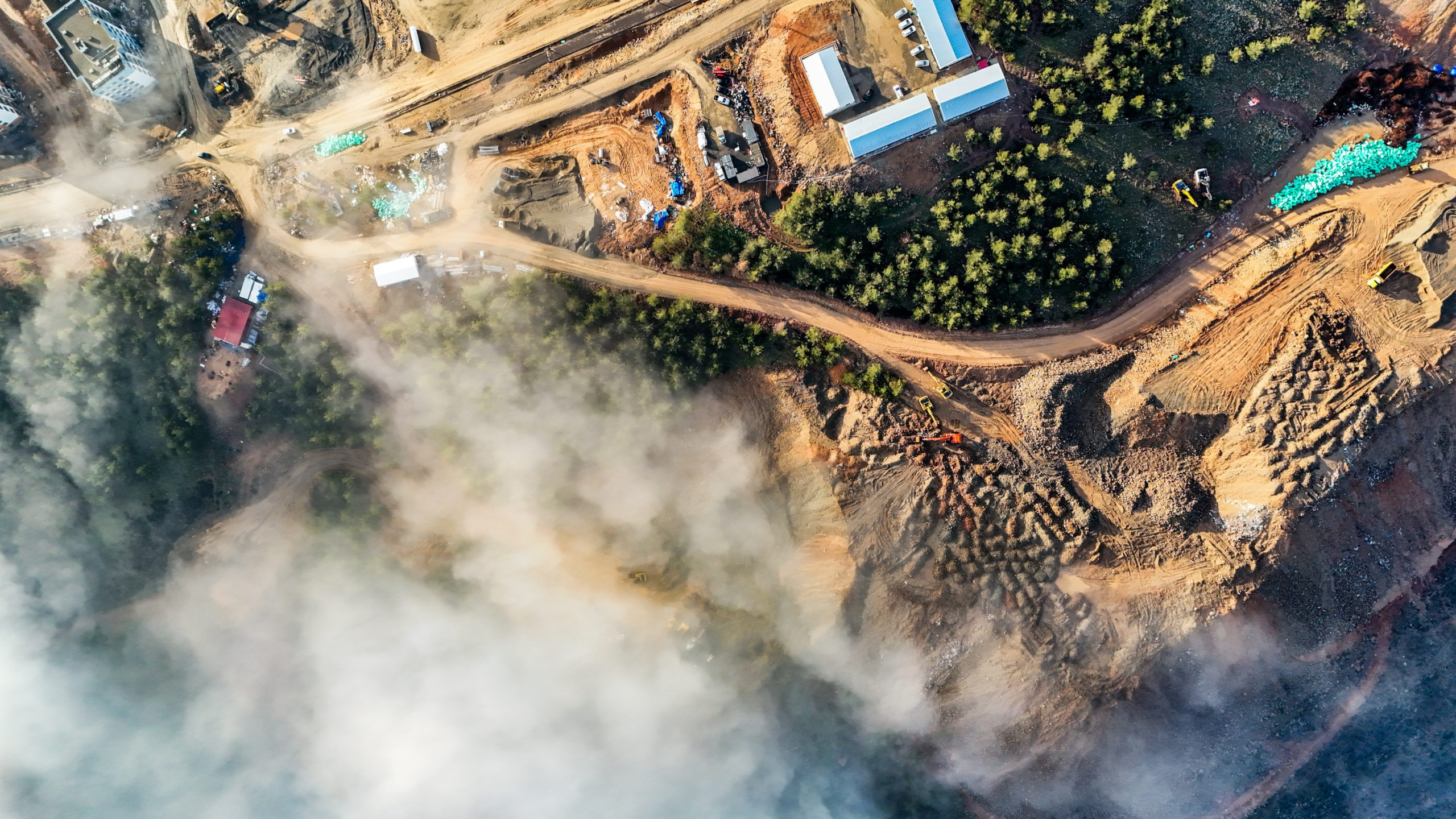
The site is at Pispantalli, where the City of Valkeakoski is preparing a detailed local plan while Fortum starts the project’s environmental impact assessment procedure.
Fortum intends to develop and market the land rather than build and operate the eventual data centre. The final investment would be made by a future data centre developer and operator, meaning the project remains an enabling development rather than a committed facility build.
The utility said the location combines a large contiguous industrial development area with transport links and proximity to electricity infrastructure. Part of the site is already zoned for industrial use.
Those characteristics are becoming increasingly important in European site selection as developers compete for locations where land, planning, and realistic access to large volumes of electricity can be assembled into one deliverable proposition.
Power companies move upstream
Fortum’s role at Valkeakoski illustrates how energy companies are moving further into the early stages of data centre development. Instead of dealing only with an operator’s connection request, the utility is helping prepare land and planning conditions before the final customer is known.
That can reduce some development uncertainty for a future operator. A site that has already moved through local planning and environmental work is more advanced than raw land where power, zoning, and environmental constraints still have to be established from scratch.
It does not remove the engineering required to convert the location into an operational data centre. The eventual developer would still need to determine the site’s IT capacity, electrical topology, cooling architecture, backup generation, fibre connections, building design, redundancy levels, construction sequence, and commissioning programme.
Nor does site development guarantee that the full area will ultimately be built out. European data centre pipelines contain substantial amounts of proposed capacity that remain dependent on customers, financing, grid delivery, planning, and equipment availability.
Fortum’s stated objective is to shorten time to market for industrial investments using low-carbon electricity. Data centres are one part of that strategy, with the company already involved in preparing other Finnish locations for large electricity users.
Finland’s infrastructure proposition
Finland continues to attract data centre development because of its electricity system, cooler climate, available industrial land, established fibre links, and opportunities to reuse waste heat in district heating systems.
Those attributes do not make every site automatically viable. Local network capacity, connection cost, planning, environmental requirements, construction resources, customer demand, and the economics of heat recovery still vary from location to location.
Valkeakoski’s development model addresses one of those uncertainties by progressing planning and environmental assessment before a final operator arrives. It effectively packages the site around land and infrastructure readiness rather than asking an operator to begin the entire development process independently.
The approach can be particularly useful where data centre customers are comparing several European markets simultaneously. Time spent establishing whether a site is realistically developable can become a competitive disadvantage when other locations already have land control, a planning pathway, and a credible power strategy.
The absence of a named operator remains the main limitation on the Pispantalli project. No final data centre capacity, construction programme, technical architecture, or investment value has been disclosed.
The next milestones will therefore come from the planning and EIA processes and from Fortum’s efforts to secure a developer prepared to convert the land into a live facility. Until then, Pispantalli represents another powered-site proposition entering Finland’s pipeline rather than new operational capacity.

