
Summary
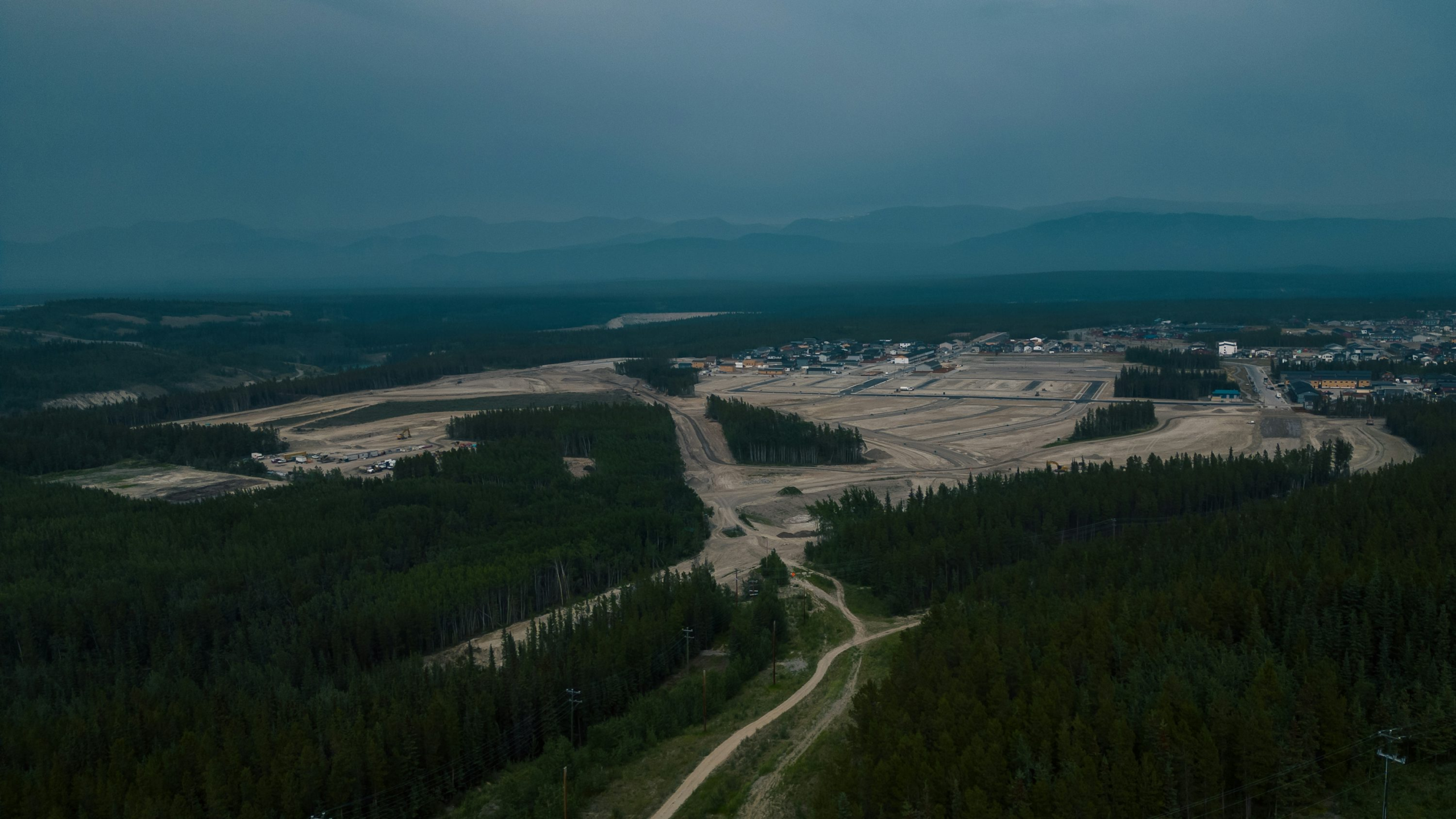
- Finland’s supervisory authority is examining whether more than 300 hectares of forest were cleared at Google’s planned Muhos data centre site without the required environmental process.
- Google says the forestry work complied with legal requirements and that extensive environmental surveys have been undertaken.
- The dispute lands amid Google’s €13bn Finnish investment programme and a broader national debate over the power, grid, and environmental effects of data centre expansion.
Google is facing fresh environmental scrutiny over forestry work at its planned Muhos data centre site as Finland weighs the consequences of a rapid expansion in large scale digital infrastructure.
Finland’s supervisory authority, LVV, is investigating whether Tuike Finland, the project company representing Google, cleared more than 300 hectares of forest without completing an environmental impact assessment that campaigners argue should have preceded the work.
The figure comes from the Finnish Association for Nature Conservation and has not been established as a regulatory finding. The association has also alleged that satellite imagery shows areas intended for protection were logged and has called for work to stop until compliance is clarified.
Google disputes suggestions that the forestry work breached the rules. The company told AFP that the work had been carried out in accordance with Forestry Act requirements and said it was awaiting further guidance from the supervisory authority. It also said extensive nature surveys covering the site had been undertaken through zoning and environmental impact procedures.
The investigation adds a new layer to the company’s €13bn Finnish infrastructure programme. DataCentral reported in September that Google planned investment across Hamina, Kajaani, Muhos, and Vaala over the following two years, making the programme one of the largest concentrations of announced data centre capital in the Nordic market.
Google’s own Muhos project page says preliminary infrastructure work is under way and describes the site as being in development. The company has also said that its planning process includes heat recovery and circular economy measures intended to support surrounding industry.
The latest dispute shows how quickly the debate around Finnish data centres has moved beyond electricity price and climate. Large campuses require extensive land preparation, grid connections, transport access, and supporting construction before the first server arrives. The environmental consequences are therefore determined partly by civil works and land use decisions, not simply by operational energy consumption.
Muhos has become a particularly visible test because Google’s programme is large enough to alter the economy and physical landscape around a relatively small municipality. Local expectations include construction activity, employment, housing demand, and new services, while concerns extend to grid demand and the permanent conversion of forest land.
Finland remains attractive to operators because of its cool climate, growing renewable generation, nuclear power, and established connectivity. Those advantages have helped bring a pipeline extending well beyond Google, with other international operators pursuing new capacity around the country.
That growth has also created political pressure. A Finnish citizens’ initiative calling for tighter regulation of data centre energy use and environmental impacts passed the 50,000 signature threshold required to reach Parliament within days of its launch.
None of that establishes that Google breached environmental law at Muhos. The regulatory investigation remains unresolved, and the distinction matters. The current issue is whether forestry and site preparation were undertaken in the correct sequence relative to Finland’s environmental assessment requirements, rather than a final judgment about the data centre itself.
The result will be watched beyond Muhos. As Finland attempts to capture investment in AI and cloud infrastructure, authorities increasingly have to reconcile national economic policy with local planning, grid constraints, and environmental controls. The more projects advance simultaneously, the less credible it becomes to assess each solely as an isolated industrial development.
For Google, the €13bn expansion now carries an additional delivery constraint: maintaining programme speed while demonstrating that land preparation, permitting, and environmental assessment can withstand scrutiny at the same scale as the investment itself.

