
Summary
- Hetzner has scheduled work from 5 to 9 October on upstream power equipment serving its FSN1 data centre location.
- The maintenance is associated with changing the site’s medium voltage supply from 10kV to 20kV.
- Hetzner expects no impact to server systems, making the work an infrastructure maintenance event rather than an outage.
Hetzner has scheduled a four day upgrade of electrical infrastructure serving its FSN1 data centre location in Germany as upstream equipment is adapted from 10kV to 20kV operation.
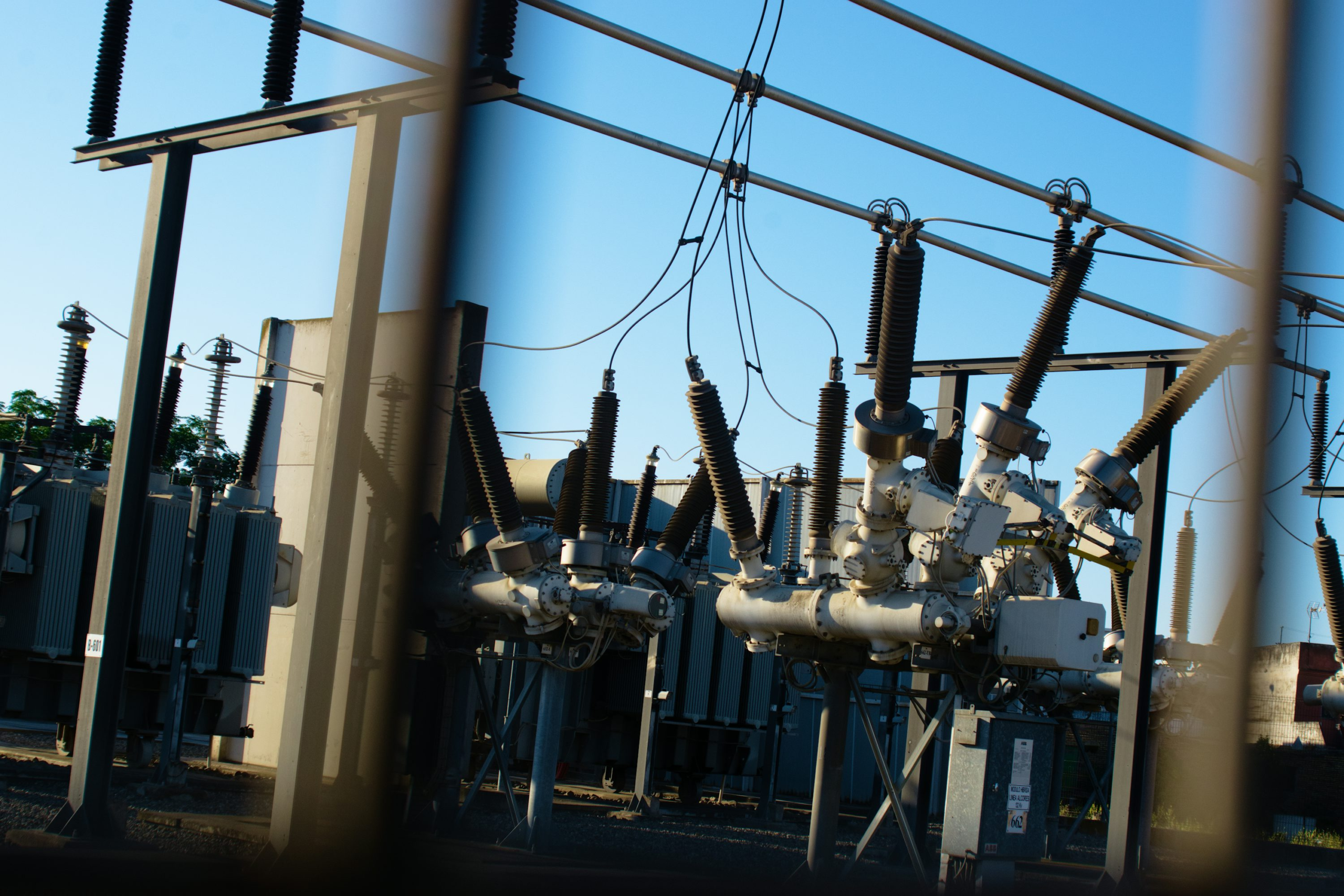
The operator’s status notice schedules the work from 07:00 UTC on 5 October until 10:00 UTC on 9 October. Hetzner said technicians will upgrade a range of power supply components at the substation near FSN1 and that server systems are not expected to be affected.
The notice lists almost the entire set of numbered facilities at the site as potentially associated with the maintenance, reflecting the upstream position of the equipment being worked on.
A medium voltage change is different from routine maintenance inside an individual data hall. Data centres typically receive electricity at medium or high voltage before transformers and switchgear step it down and distribute it across the facility. Work at the substation therefore sits above individual server rooms in the electrical chain.
That makes redundancy and switching arrangements central to carrying out the maintenance without affecting IT loads. Hetzner has not detailed the specific temporary configuration it will use, and the company has not presented the work as a capacity expansion. The published scope is limited to replacement and upgrade activity associated with the voltage change.
The maintenance is nevertheless a useful illustration of the less visible engineering work required to keep established data centre campuses operating. Electrical infrastructure ages, utility requirements change, and distribution equipment has to be renewed without treating a live data centre like an ordinary industrial site that can simply be shut down for several days.
Planned electrical interventions therefore require coordination between facility teams, substation contractors, and operational staff, with the maintenance sequence designed around redundant power paths and the ability to respond if another component fails while equipment is isolated.
Customers are not being advised to expect an interruption. Hetzner’s notice specifically says the server systems should not be negatively affected and provides a method for customers to identify the data centre hosting their equipment.
The distinction is important because scheduled maintenance notices can otherwise be mistaken for service incidents. At the time of publication, the FSN1 work is a planned infrastructure programme with an explicitly stated expectation of continuous server operation.
The maintenance window is due to close on 9 October. Any change in that expectation, including an extension of the work or an unplanned impact on power availability, would turn a routine engineering exercise into a materially different operational story.

