
Summary
- Iceland’s renewable power and climate are attractive to data centre developers.
- A report describes resistance to larger proposed AI developments amid limited power availability.
- Specific rejected project decisions and available grid capacity require primary-source corroboration.
Landsnet is Iceland's transmission system operator, whose grid capacity is central to a fresh report that the country is not accommodating every large AI data centre proposal. Reporting published on 12 October describes a market with attractive electricity generation and cooling conditions but finite usable capacity for new industrial-scale loads. The report should not be read as a formal nationwide ban on data centres, and individual decisions require confirmation from the relevant bodies.
Iceland produces nearly all its electricity from hydroelectric and geothermal sources. Its electricity system has long served electricity-intensive industrial processes, particularly aluminium production. Data centres share a need for continuous supply, but the operating profiles and resilience requirements can differ. A facility designed for AI workloads also needs sufficient network connectivity, cooling systems and redundancy, in addition to the basic energy supply negotiated with an electricity supplier.
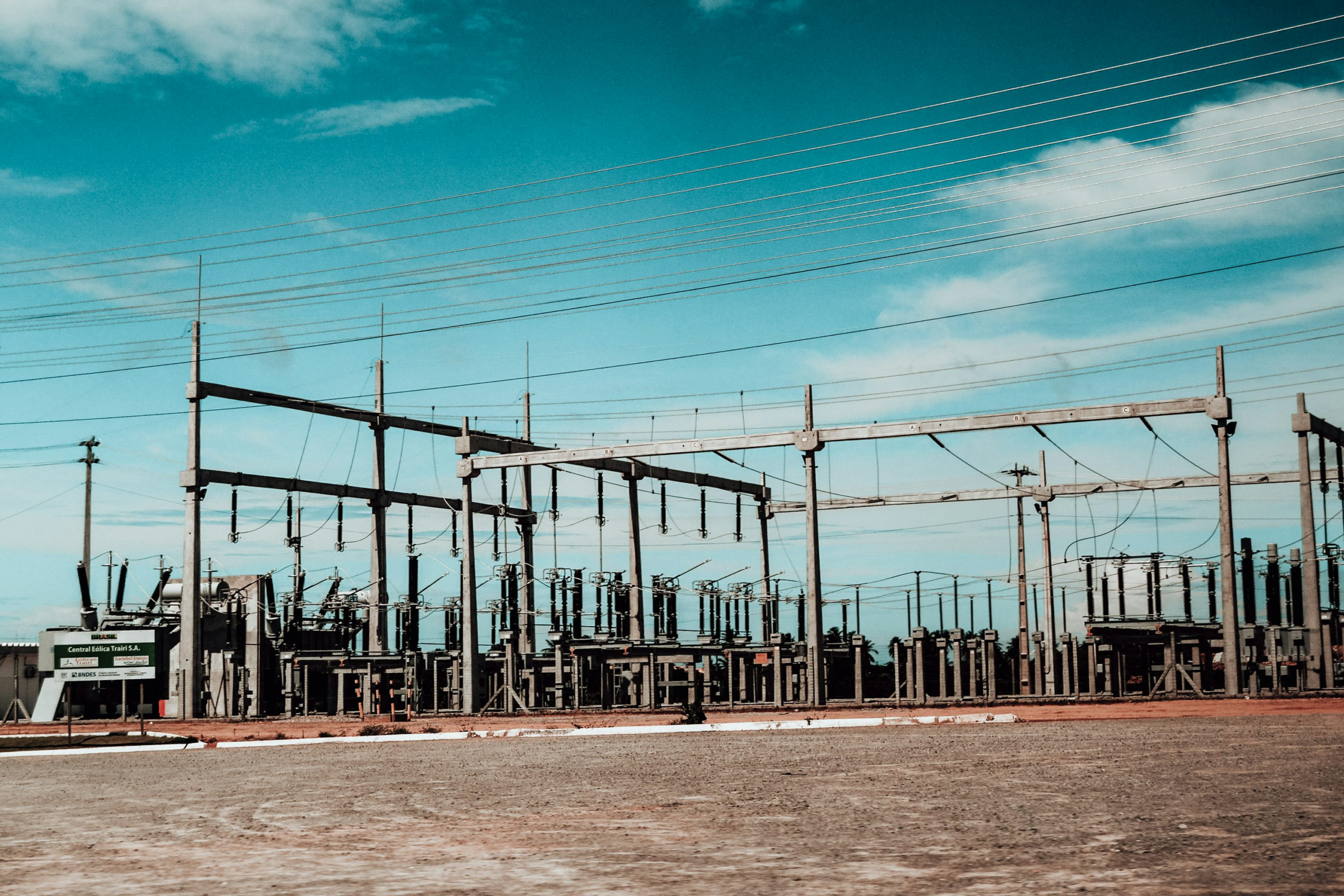
A national renewable generation mix does not mean that an unlimited amount of power is instantly available at each site. Transmission circuits and substations are sized for existing demand and anticipated growth. New data centre loads may require reinforcement, environmental permission or reallocation of scarce connection capacity. The extent and timing of those constraints vary by location, which means a country-level assessment cannot substitute for evidence about a particular proposed connection.
The report describes established Icelandic operators serving cloud and AI-related demand while authorities favour a cautious approach to bigger speculative projects. That is consistent with a market choosing between incremental extensions and unusually large campuses, but the circumstances of any individual proposal remain material. A project described as rejected may have failed because of its connection requirements, its planned location, its economic model or its stage of readiness. These causes should not be conflated.
Cooler weather can help reduce some mechanical cooling loads and lower annual electricity used by supporting equipment. It does not eliminate the need for engineered cooling, particularly with dense, liquid-cooled accelerators. The capital costs of new halls, power distribution, water or coolant systems and backhaul fibre still have to be met. Iceland's geography may also affect workload suitability, making some applications more sensitive to network latency than others.
The commercial significance lies in how limited capacity is allocated. A proposal with a binding tenant, grid reservation and credible construction programme is materially different from a campus described solely through an intended power figure. Electricity demand also competes with industrial electrification and other economic priorities. Decisions about new loads therefore include questions about connection cost allocation and long-term value, as well as the electricity consumption of the data centre itself.
A distinction between clean generation and available firm power is central to the Icelandic case. Electricity produced over a year is not necessarily matched in time and place to the continuous demand of a data centre. Even an electricity system dominated by renewable generation must maintain reserve margins and protect existing customers during equipment outages. The grid can be constrained by individual transmission routes or substations despite abundant renewable resources elsewhere in the country. Specific load applications therefore need more evidence than national annual generation percentages.
There is also a policy question about the economic value associated with different industrial electricity uses. Data centres require substantial capital during construction but may employ fewer people per unit of electricity when operating than other forms of industrial development. That comparison depends on the type of data centre, the associated services and how the local economy captures spending. The reporting suggests a cautious national stance, but it does not provide an official framework ranking prospective projects by those characteristics.
Commercial workload geography complicates the decision. Iceland can be suitable for computing jobs that tolerate additional network distance, while low-latency applications may need facilities closer to users or interconnection hubs. Transferring large datasets to and from an island also makes fibre route resilience important. Electricity and cooling advantages therefore must be considered alongside connectivity, workforce availability, customer requirements and recovery arrangements when assessing any proposed new AI campus.
The reported difficulties illustrate a constraint on very large prospective loads, but the available information does not establish a formal nationwide data centre moratorium or quantify how much capacity has been refused. Individual outcomes depend on the characteristics of a project and the utility capacity available at its location. Iceland remains a significant location for data centre operations, with the scale and pace of further growth subject to grid and wider energy planning.

