
Summary
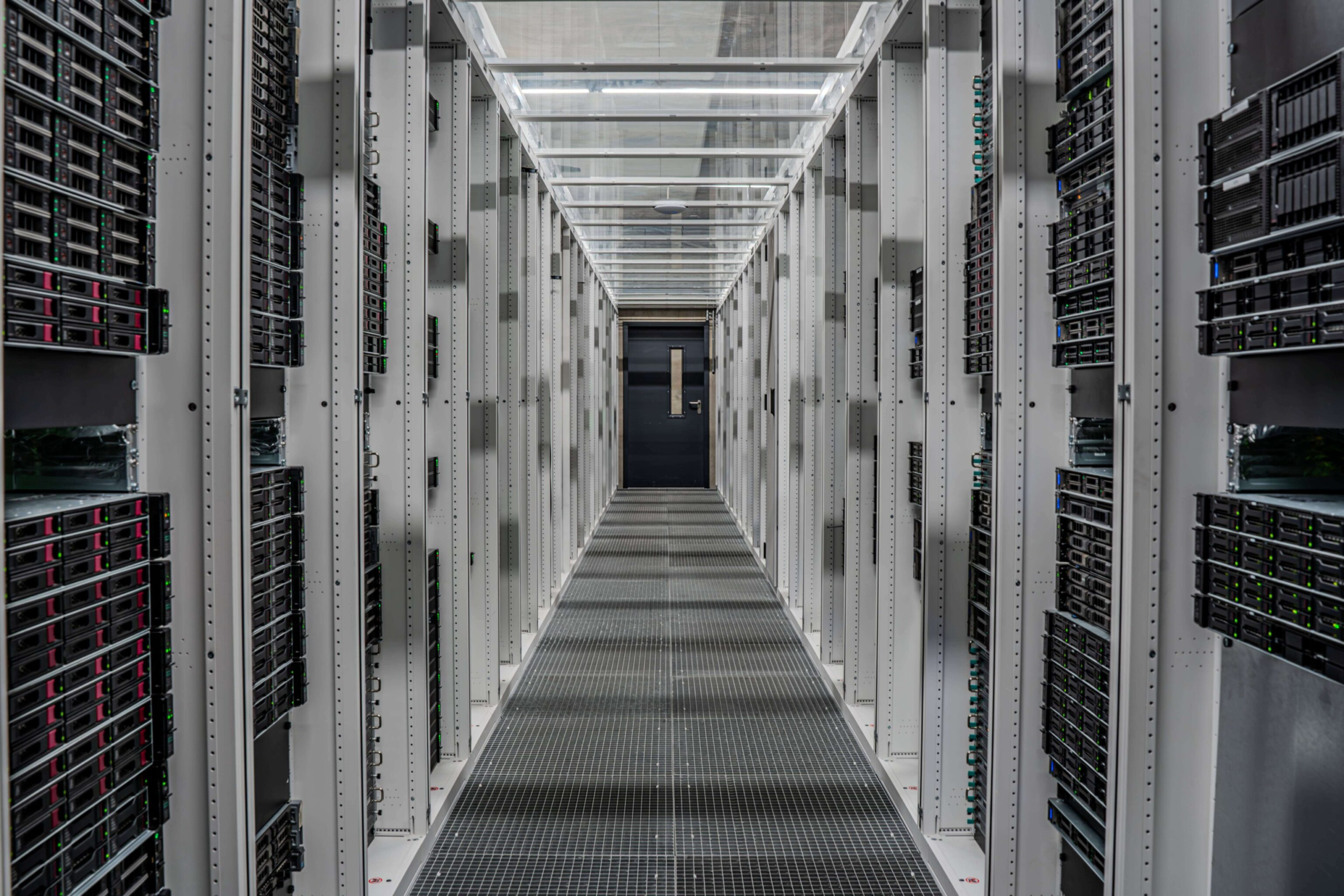
- The proposed facility would accommodate approximately 170 server racks, with commissioning planned for 2028.
- Liquid cooling, heat recovery equipment, and heat pumps could deliver approximately 28GWh of useful heat annually.
- Construction remains subject to planning approval and outstanding commercial agreements between the partners.
Swiss cloud provider Infomaniak and energy utility Gruyère Energie have submitted plans for a 2.5MW data centre in Bulle, Switzerland, designed to recover heat from its computing equipment and supply it to an established district heating network.
The planning application entered public consultation on 13 November. The proposed facility would accommodate approximately 170 server racks on an industrial site, with construction expected to begin during the first half of 2027 if the necessary permits are granted.
Commissioning is targeted for 2028. The 2.5MW figure represents planned IT capacity, twice that of Infomaniak’s D4 facility in Geneva, which opened in 2025.
Although the Bulle development would become Infomaniak’s largest infrastructure project, its physical footprint is relatively modest. The building would occupy approximately 1,200m² on previously developed land, close to existing electricity, fibre, and district heating infrastructure.
Infomaniak intends to finance the development from cash generated by its business, with investment phased according to commissioning and the gradual increase in computing demand. The company has not disclosed the total construction cost or the value of its planned technical equipment.
The proposed facility will support cloud, storage, and AI computing services. Its cooling infrastructure is intended to build on Infomaniak’s existing heat recovery approach while introducing additional liquid cooling capability for compute-intensive equipment.
According to the partners, the installation could deliver approximately 28GWh of useful heat annually through Gruyère Energie’s district heating network. They estimate that the recovered heat could avoid up to 7,500 tonnes of carbon dioxide emissions each year compared with heating oil.
Both figures are projections based on the proposed installation. Neither represents measured performance from an operating facility, and the partners have not published a complete energy balance showing the electricity consumption of the heat pumps and other mechanical equipment.
Liquid cooling and heat transfer
The proposed design would circulate coolant through closed loops inside the building, avoiding conventional evaporative cooling towers and the water withdrawals associated with those systems.
Liquid cooling transfers heat from electronic components into a circulating fluid. The heated coolant then passes through equipment that transfers energy into another circuit, allowing the servers to operate within their permitted temperature ranges.
Infomaniak intends to use the recovered thermal energy within Gruyère Energie’s district heating system rather than rejecting it into the surrounding environment.
Heat pumps are an important part of that arrangement. Server cooling systems may operate at temperatures below those required by a district heating network, so the recovered energy may need to be raised to a useful delivery temperature.
This process consumes additional electricity. As a result, the quantity of heat supplied to customers can exceed the heat recovered directly from the servers because it also incorporates energy used to operate the heat pumps.
The distinction is relevant to the project’s annual heat forecast. A 2.5MW IT load operating continuously for a full year would consume approximately 21.9GWh of electricity, before allowing for variations in actual computing demand.
That electricity would ultimately become heat, but the amount transferred into the district heating network would depend on the recovery system, auxiliary equipment, and operating conditions. The projected 28GWh of useful heat must therefore be considered as an output of the wider thermal system, not simply the direct thermal output of the IT equipment.
Infomaniak has not provided the heat pump performance figures or annual operating assumptions needed to independently reconcile the forecast.
The proposed cooling arrangement also depends on the temperatures and flow rates required by the installed servers. Greater use of direct liquid cooling can improve access to heat generated by processors, but the actual recovery temperature will depend on the equipment and cooling system design.
Integration with local infrastructure
Gruyère Energie already operates a district heating network using more than 95% renewable energy, according to the partners. The recovered data centre heat would supplement existing local wood energy and a separate deep geothermal project being developed by a subsidiary of the utility.
The network is expected to supply approximately 180GWh annually by 2030. On the companies’ forecasts, the Bulle data centre could make a material contribution to that total, although its actual share would depend on computing demand, heat recovery performance, and the network’s ability to absorb the energy.
District heating networks must balance supply against consumption throughout the year. Demand can vary substantially between winter and summer, while a data centre may continue generating heat during periods when space heating requirements are lower.
Engineering the connection will therefore involve establishing how heat is transferred, when it can be accepted, and how the network manages periods of reduced demand.
The proposed site has been selected partly because the electricity, heat, and fibre networks converge nearby. This could reduce the extent of additional infrastructure needed to connect the facility, although the final connection design and costs have not been disclosed.
Infomaniak says the building will use previously developed industrial land without converting agricultural areas or removing trees. Parts of the roof would incorporate vegetation and rainwater retention measures.
Noise management is also included in the design. Pumps, heat exchangers, heat pumps, electrical equipment, and other technical systems can produce sound during continuous operation, making their positioning and acoustic treatment relevant to the planning process.
The companies say the installation is being designed to comply with applicable noise requirements. That remains a design objective until the equipment has been installed and its operating performance assessed.
Under the proposed partnership, Infomaniak would construct and operate the data centre. Gruyère Energie would supply the land, build the heat recovery infrastructure, and provide renewable electricity.
Those responsibilities remain subject to commercial contracts that have yet to be finalised.
The building and its cooling infrastructure are intended to enter operation in 2028, following planning approval and construction. Achieving the forecast heat recovery will depend on the eventual computing load, the performance of the thermal systems, and the district heating network’s ability to use the recovered energy.

