
Summary
- Seven Italian data centre programmes representing more than €25bn in proposed investment have received national strategic-interest recognition.
- Six are located across Lombardy and Piedmont, with one in Sardinia.
- The designation does not establish that the facilities have secured all electricity connections, permits, or final investment commitments.
Italy has designated seven data centre programmes representing more than €25 billion in proposed investment as developments of pre-eminent national strategic interest, while electricity connections, planning requirements, and construction remain critical to their delivery.
The programmes include six projects across Lombardy and Piedmont and one in Sardinia, according to reporting published on 26 October examining the country’s ambitions to expand its artificial intelligence infrastructure.
The strategic designations were made by the Council of Ministers following proposals from the Ministry of Enterprises and Made in Italy. The reporting does not establish that all seven decisions were taken on 26 October, and their recognition should not be confused with new construction approvals.
Italy is attempting to expand the physical infrastructure supporting AI computing while developing national legislation and policy governing the technology. The resulting programme involves investment, industrial development, electricity networks, and regulatory oversight rather than computing equipment alone.
A national strategic-interest designation indicates government recognition of a project’s economic importance. It does not by itself confirm that a proposed data centre has secured its full financing, obtained every permit, contracted its electricity supply, or completed its construction programme.
Those distinctions are particularly important when aggregated investment totals are used to describe future computing capacity. Announced capital expenditure may cover projects at different stages, from initial site evaluation to schemes with advanced engineering and commercial agreements.
Data centres are physically demanding developments because their computing equipment requires substantial electrical power and produces considerable heat. High-density AI systems can increase the concentration of those requirements within each building.
Electrical infrastructure must account for the maximum load, the operational profile of the computing equipment, and the capacity of the transmission or distribution networks supplying the site.
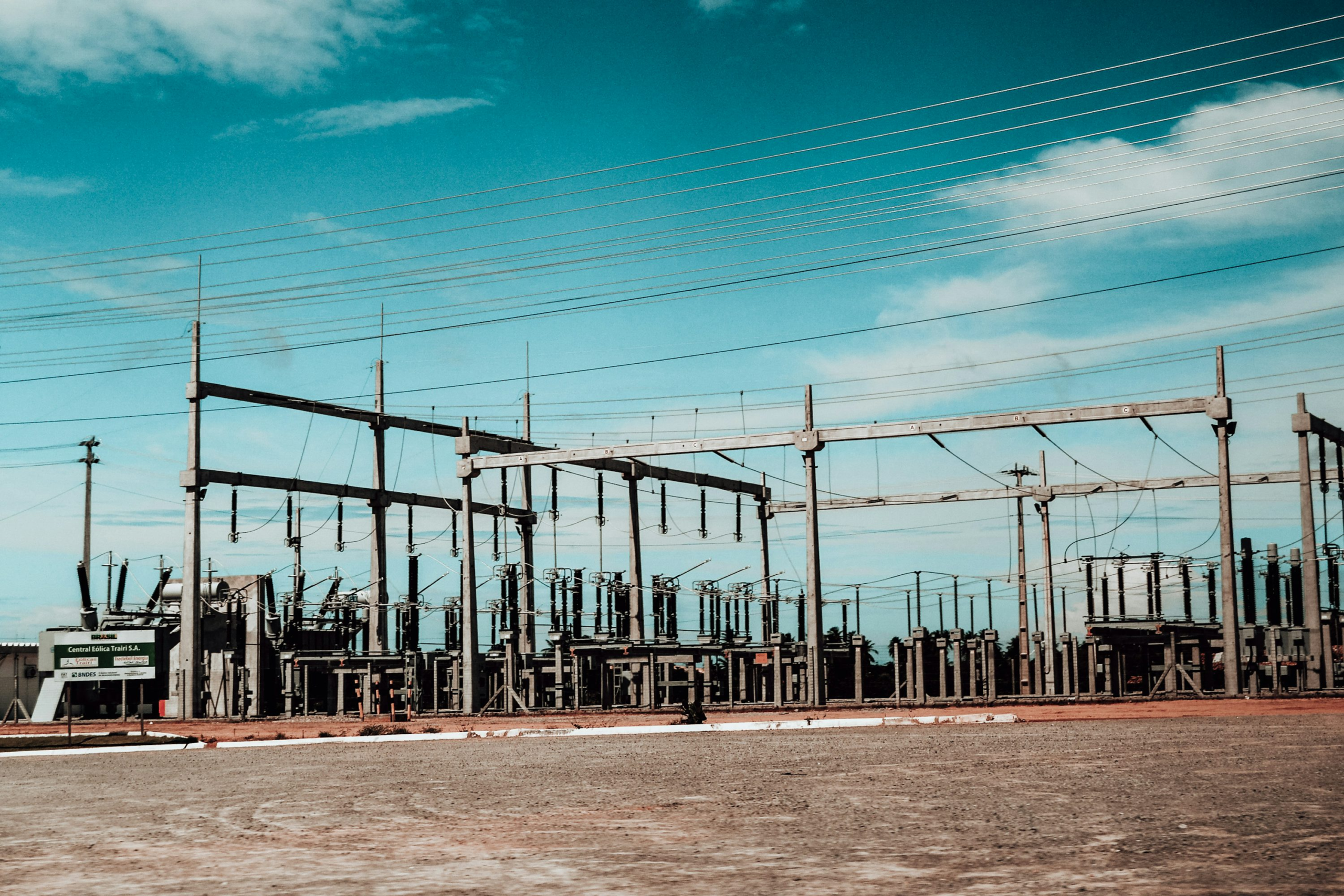
Large projects may need new substations, transformers, high-voltage connections, backup power systems, and internal distribution equipment. These components can have procurement and construction schedules that differ from those of the data centre buildings themselves.
Italian transmission system operator Terna has previously warned that data centre connection requests exceed the volume of development likely to materialise. Proposed connections therefore cannot be treated as equivalent to operating installations or even projects with an imminent construction timetable.
Determining which developments are ready to proceed requires more information about confirmed power arrangements and investment decisions.
Regional planning presents another constraint. Lombardy has introduced legislation covering data centre development and is considering changes as local authorities seek greater clarity over land use and the application of planning rules.
The concentration of proposed investment around northern Italy may create additional pressure on shared electricity infrastructure. Several projects seeking connections in the same region can require network reinforcement extending beyond the boundaries of individual sites.
Cooling and water requirements must also be incorporated into the development process. The appropriate technical design depends on computing density, local climate, available resources, and the requirements of the eventual occupants.
Redeveloping former industrial land may provide advantages where suitable sites and infrastructure already exist, although previous industrial use does not establish that the electrical capacity needed for an AI data centre is available.
These engineering and planning considerations influence both project expenditure and commercial risk. Investors must assess whether forecast operating revenues can justify spending on land, construction, electrical equipment, cooling plant, and computing systems.
The sequence of delivery is also significant. A project may receive policy support before its final commercial structure has been determined, while equipment procurement or site construction may depend on a later financial commitment.
Italian authorities face the challenge of coordinating those decisions across national ministries, regional administrations, electricity network operators, and the businesses promoting individual projects.
The seven strategic programmes represent a substantial pipeline of prospective investment. Their progress will be measured through verifiable planning decisions, secured electricity supplies, construction contracts, and commissioned computing capacity rather than strategic designation alone.

