
Summary
- Kingspan will pay €850m initially for BMC Manufacturing, with further consideration potentially taking the transaction to €900m.
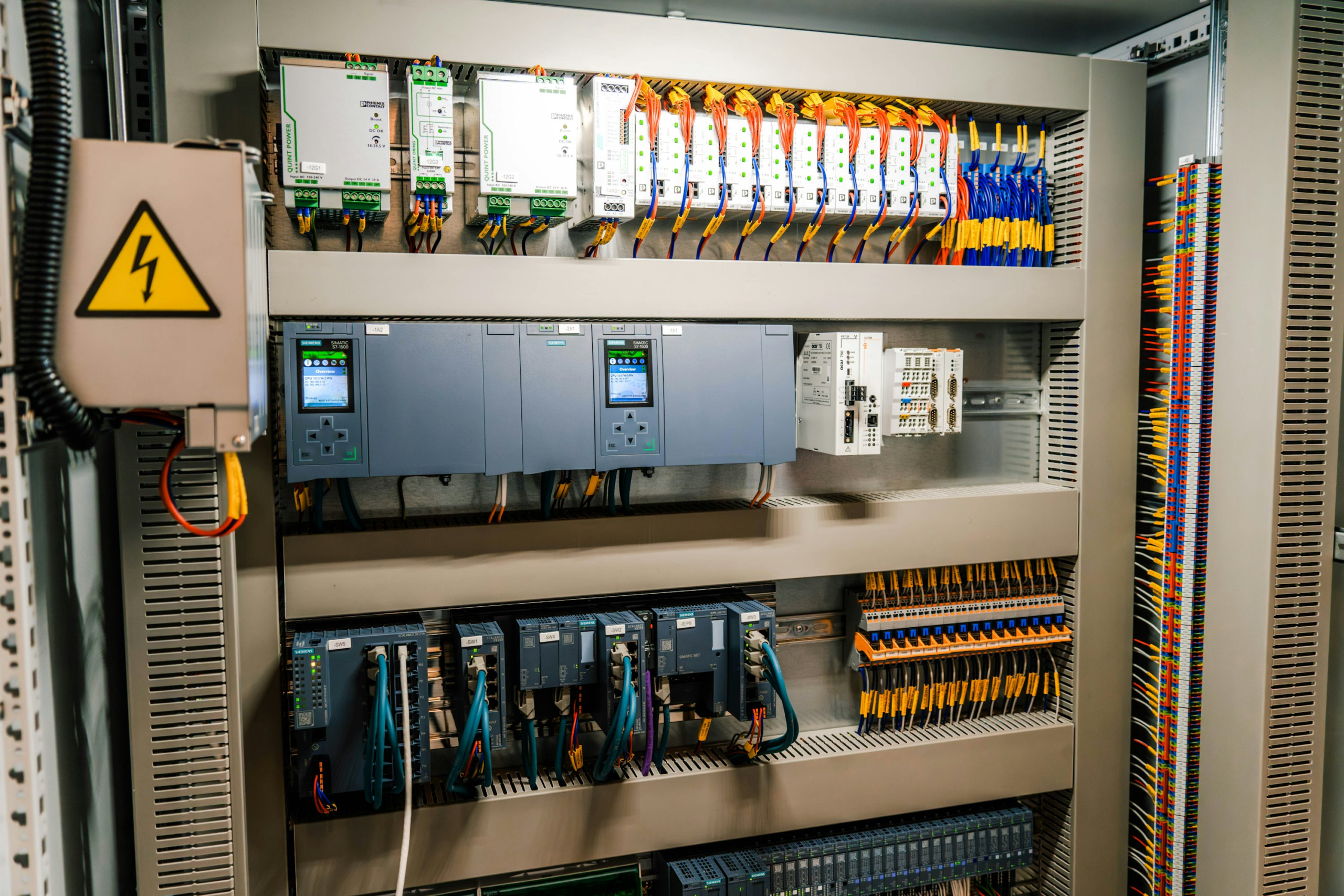
- BMC manufactures low-voltage switchgear and power distribution equipment used in global data centre projects from its Irish production base.
- The acquisition brings electrical distribution, cooling, and containment closer together as high-density data centre designs demand tighter coordination between MEP systems.
Kingspan Group has agreed to acquire Irish critical power manufacturer BMC Manufacturing for up to €900m, moving the building systems group deeper into the electrical infrastructure used inside hyperscale data centres.
The initial consideration is €850m on a debt-free, cash-free basis, comprising €600m in cash and €250m of newly issued Kingspan shares. A further €50m may become payable against agreed profit targets. Completion is expected in the fourth quarter of 2026, subject to regulatory clearance.
BMC designs and manufactures low-voltage switchgear, power distribution units, and related electrical systems from facilities in Ireland. The company has grown alongside global data centre demand and is already expanding its domestic workforce by more than 500 roles across engineering, technology, and operations.
Electrical distribution joins a wider data centre portfolio
Kingspan already sells into the data centre sector through businesses covering containment and cooling. Acquiring BMC adds the equipment that distributes electrical power between major facility systems and individual loads, broadening the group from thermal and physical infrastructure into another critical part of the MEP chain.
That boundary has become less distinct as rack densities increase. A conventional server hall could once be designed around relatively predictable power and airflow envelopes, but GPU systems pull much larger electrical loads through each rack and transfer correspondingly more heat into the cooling system. Switchboards, busway, power distribution, cooling connections, containment, controls, and physical rack layouts increasingly have to be engineered as one system.
BMC’s low-voltage equipment occupies a particularly unforgiving point in that chain. Main and sub-main distribution boards must safely handle large currents, isolate faults, accommodate maintenance, and remain traceable through manufacturing and testing. When a facility is built in repeatable hyperscale blocks, consistency across those assemblies becomes as important as the rating of any individual component.
The price attached to BMC also shows how manufacturing capability is being valued. The company is forecast to generate about €280m of revenue and approximately €90m of EBITDA in 2026, with further growth expected as its order base expands. Those numbers put the transaction well beyond a bolt-on acquisition of a specialist contractor.
Manufacturing capacity itself has become scarce infrastructure. Transformers, switchgear, generators, chillers, UPS systems, busway, and control equipment can all carry long lead times, particularly where projects require non-standard ratings or extensive factory testing. A developer may have a powered site and planning consent but still lose months waiting for equipment to arrive in the correct sequence.
More of the build can move into factories
Owning both equipment businesses and production facilities gives Kingspan scope to push more work towards prefabrication. Electrical assemblies, containment, and cooling components can be integrated and tested off site before reaching a data centre, reducing site labour and moving defects into a factory environment where access and testing are easier to control.
The trade-off is a greater dependence on design certainty. Prefabricated systems need dimensions, ratings, connection points, controls, and interfaces to be settled early. Late changes can disrupt production, create rework, or leave equipment that no longer matches the final hall configuration.
Transport also becomes part of the engineering plan. Large electrical assemblies are heavy, sensitive, and expensive, requiring routes, lifting equipment, packaging, and installation sequences to be agreed well before delivery. Any gain in site speed depends on those logistics working cleanly.
BMC’s position in Ireland gives Kingspan an established manufacturing base in one of Europe’s most developed data centre markets. Ireland’s domestic pipeline has faced severe power constraints, but the engineering supply chain built around years of hyperscale construction continues to serve projects across Europe and further afield.
Enterprise Ireland said in June that BMC’s products are used by global data centre operators including AWS, and the company plans to add more than 500 jobs by the end of 2028. That hiring programme points to continued demand even as development shifts geographically away from the most constrained hubs.
The combined portfolio will not remove the need for other critical power specialists. Medium-voltage distribution, transformers, UPS systems, backup generation, protection, controls, and commissioning remain distinct disciplines, while customers will continue to source equipment from multiple manufacturers to manage technical and commercial risk.
Kingspan’s integration challenge will therefore be less about owning every component than about turning a broader product range into systems that fit together cleanly. The value of BMC lies not merely in adding switchgear to a catalogue, but in connecting electrical distribution with cooling and containment at the point where AI infrastructure is forcing all three systems to carry much denser loads.

