
Summary
- Legrand expects data centres to account for more than €3 billion of revenue in 2026.
- The sector represents 32% of the sales base used in the company's updated strategic roadmap.
- Its exposure spans critical power, rack infrastructure, monitoring, cooling, test equipment, and lifecycle services.
Legrand expects data centre revenue to exceed €3 billion in 2026 as the French electrical and digital-infrastructure group raises the sector’s weight within its longer-term strategy.
The company set out the figures ahead of its 2026 Capital Markets Day in Singapore. Data centres now account for 32% of the sales base used in Legrand’s strategic roadmap, compared with 22% for energy-transition activities and 46% for what the company describes as essential building infrastructure.
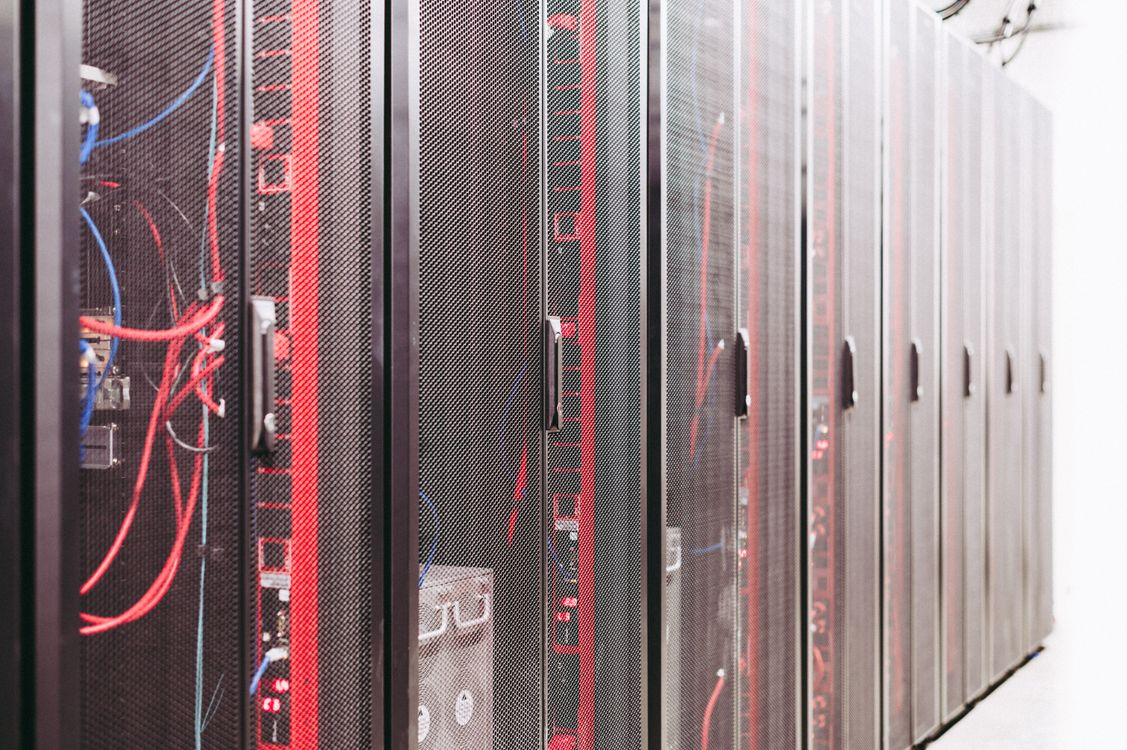
Legrand’s exposure to data centres extends well beyond one product line. Its portfolio covers critical power, physical compute infrastructure, monitoring and controls, cooling, testing equipment, and services across the asset lifecycle.
That mix makes the company’s numbers a useful indicator of how much capital is moving into the supporting equipment required around new compute. Servers and accelerators carry most of the attention around AI infrastructure, but the facility has to deliver power at several voltage levels, remove heat continuously, monitor equipment condition, maintain connectivity, and support changes over a long operating life.
Legrand had already reported strong data centre demand in its first-half results. Group sales grew 17% excluding currency effects during the first six months of 2026, including 9.8% organic growth and 6.9% from acquisitions. The company identified data centres alongside energy-transition products and acquisitions as important drivers of that performance.
The group has also used acquisitions to broaden its exposure to markets linked to digital and energy infrastructure. Seven acquisitions had been completed during the first half, with Legrand saying its energy and digital-transition markets represented 53% of group sales at the end of 2025.
The €3 billion data centre figure therefore captures a wider industrial supply chain rather than revenue from data centre owners themselves. Spending moves through equipment manufacturers, integrators, contractors, and service providers, and the growth rate of those suppliers can indicate where operators are being forced to increase infrastructure investment.
High-density computing is particularly relevant because it increases the specification of several systems simultaneously. More power has to move through the site, distribution architectures become more complex, cooling shifts towards liquid systems, monitoring becomes more granular, and maintenance requirements become more specialised.
Legrand’s strategic weighting also illustrates why traditional electrical-equipment manufacturers are becoming increasingly exposed to data centre construction cycles. AI infrastructure is not simply another IT workload for these suppliers; it is a source of demand for switchgear, busways, UPS equipment, racks, controls, cooling hardware, and associated services.
The company’s Capital Markets Day is scheduled for 29 September, when management is expected to provide further detail on its 2030 roadmap and data centre technology strategy. The €3 billion threshold already shows that data centres have moved from a specialist end-market within Legrand to one of the central drivers of the group’s investment case.

