
Summary
- A 120MW data centre is proposed on an industrial site near Travagliato in the province of Brescia.
- The scheme includes a dedicated substation, extensive backup generation, and grid works that remain subject to approval.
- Lombardy’s new data centre law brings infrastructure capacity, water, land use, efficiency, and heat recovery into regional planning decisions.
A proposed 120MW data centre near Travagliato, in Italy’s province of Brescia, has entered early infrastructure procedures as Lombardy begins applying a regional planning framework written specifically for large digital facilities.
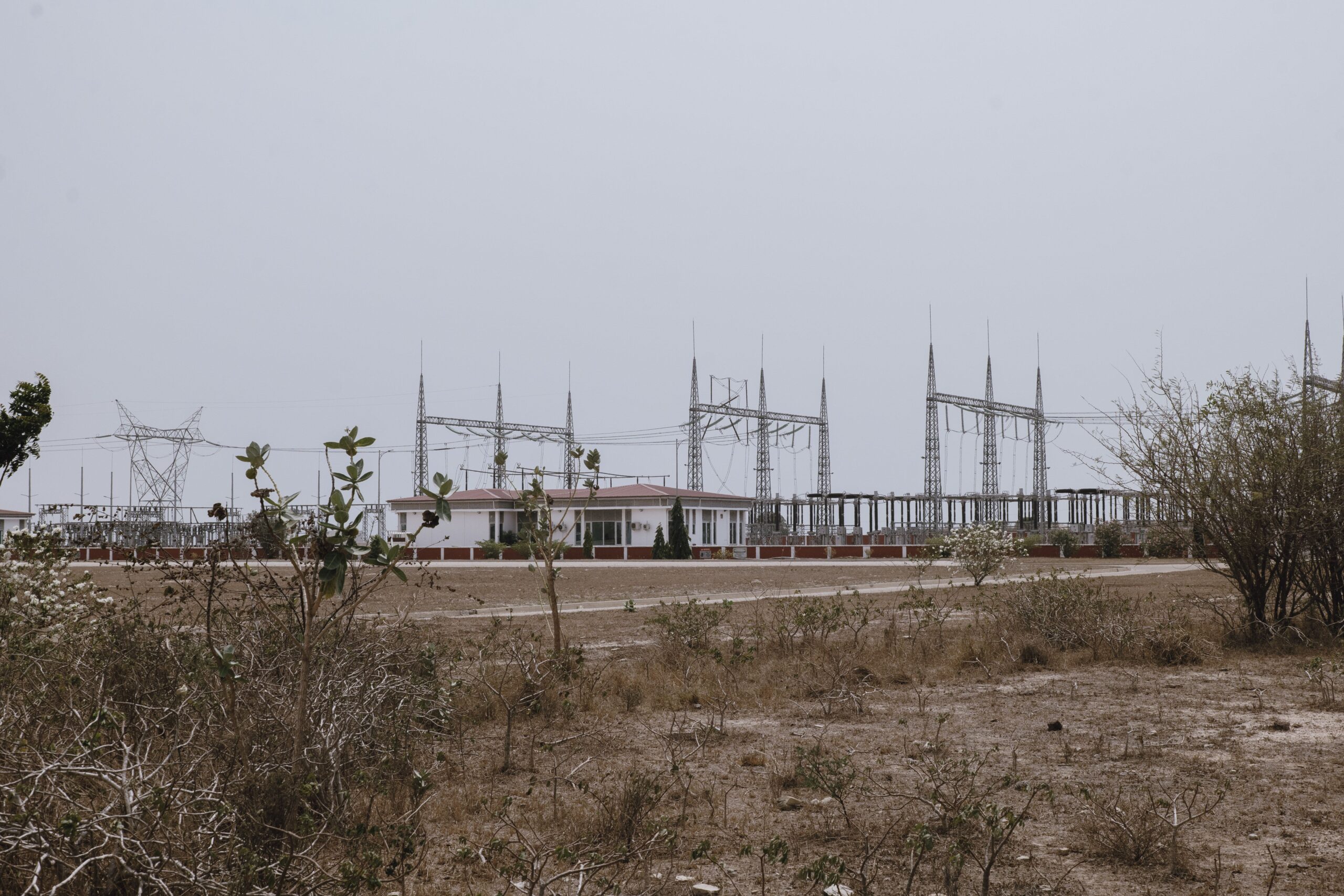
Local documents associate the development with East Gate Srl, while The Blossom Avenue Partners has been linked to its design. Available descriptions show a two-storey data centre building on a wider industrial site, supported by a dedicated substation, uninterruptible power systems, emergency generation, a fire station, parking, and environmental mitigation areas.
The requested capacity would make the development a substantial addition to northern Italy’s data centre pipeline. It also arrives after Lombardy adopted Regional Law 11/2026, which governs the construction, expansion, and monitoring of data centres across the region.
The building is only one part of the application
Under the regional law, municipalities and other authorities must consider whether proposed facilities are compatible with electricity, water, transport, and supporting infrastructure. Previously developed land and regeneration areas receive preference, while energy efficiency, water protection, lower-impact power, and waste-heat recovery sit within the assessment framework.
A 120MW facility places most of those systems under pressure at once. Its electrical connection would require transformers, switchgear, protection equipment, cable routes, and potentially wider network reinforcement, while the physical footprint could extend beyond the main site through utility easements and access corridors.
The first procedures around Travagliato concern connection infrastructure and the possible public-utility status of associated works. A grid study or technical connection estimate does not amount to consent for the full campus, nor does it confirm that the complete 120MW will be available on the developer’s preferred programme.
Project descriptions also refer to approximately 60 emergency generators. A fleet of that size requires detailed air-quality modelling, acoustic treatment, fuel storage, fire separation, exhaust design, testing procedures, and maintenance access. The aggregate generating capacity may exceed the IT load because backup systems must also carry cooling, power-conversion losses, controls, security, and other critical services.
Cooling and water information remains limited in the material currently available. Air-cooled, evaporative, hybrid, and liquid-cooled systems create different demands on electricity, water, land, and mechanical plant, while dense AI hardware can increase the concentration of heat that must be removed from each hall.
Regional rules meet local infrastructure
Investment, employment, tax revenue, and the reuse of industrial land will form part of the local case for the scheme. The assessment will also cover noise, standby emissions, construction traffic, visual impact, water demand, ecological mitigation, and the ability of regional networks to serve a large new electrical load.
Lombardy’s law encourages the recovery of waste heat, although a connection point alone cannot create a viable heat-reuse scheme. Temperature, distance, pumping energy, seasonal demand, network ownership, and the presence of a contracted customer determine whether recovered heat leaves the site.
The same practical test applies to water. A low annual figure can obscure higher summer demand, while a nominally waterless system may consume more electricity or require larger dry-cooling equipment during hot weather. The eventual environmental submission will need to show both annual and peak conditions rather than relying on a single efficiency claim.
Large campuses are commonly built in stages, and a 120MW masterplan may begin with a much smaller commissioned load. Substations and utility routes can be sized for future expansion even where customer contracts and construction funding support only the first building.
That phasing affects both planning and infrastructure. Authorities may permit works intended for long-term capacity, while the developer retains discretion over when later halls proceed. Conditions covering noise, emissions, heat recovery, landscaping, and transport must therefore remain workable across an extended build programme.
Regional Law 11/2026 gives Lombardy a more explicit basis for testing those relationships than many European jurisdictions possess. Applications with credible power, water, cooling, and delivery information should face a clearer route, while schemes built mainly around headline capacity will encounter more detailed scrutiny.
Travagliato will be among the early projects to reveal how the legislation works in practice. Until the full power, cooling, water, construction, and phasing documents are assessed, 120MW remains the outer design envelope rather than approved or operating capacity.

