
Summary
- NordVire reports five projects representing more than 1GW of proposed capacity.
- Disclosed sites include approximately 130MW at Imatra and 250–500MW at Ii.
- The company prepares land, planning, and connection arrangements, but its combined pipeline is not commissioned capacity.
Finnish data centre developer NordVire has disclosed five projects representing more than 1GW of proposed capacity, outlining a development strategy focused on preparing sites close to electricity transmission infrastructure.
The company presented its operations publicly on 10 November, identifying previously disclosed developments at Imatra and Ii among its projects. The Imatra scheme represents approximately 130MW, while the Ii development has a proposed capacity range of 250–500MW.
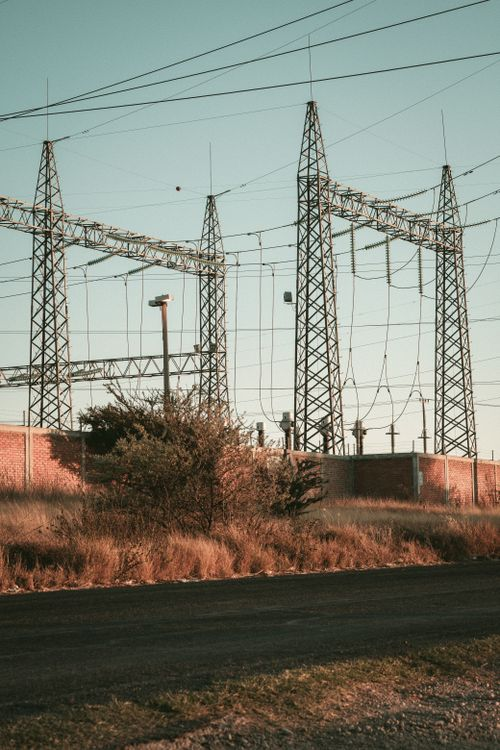
NordVire uses proprietary AI-based tools to identify potential locations close to transmission grid substations. It then works on zoning, permits, and electricity connections, with the intention of preparing sites for eventual construction.
The combined pipeline figure is an estimate of potential development capacity rather than electricity currently connected or data halls already operating. The company has not disclosed equivalent site details, connection agreements, or construction timetables for all five projects.
At Imatra, the city council approved a land lease arrangement in October for the Mionipuisto area. The agreement requires the developer to seek a construction permit within a specified period, providing a contractual development milestone rather than final permission to build.
Planning remains under way at Ii, where the substantial capacity range indicates that the final development scale has yet to be determined. The project is at a different stage from Imatra, even though both contribute to NordVire’s aggregate pipeline.
Substation access shapes development economics
Identifying land near an electricity substation can reduce the distance required for a prospective grid connection, but it does not establish that the network can accommodate the proposed demand.
A connection assessment must consider the available capacity of transformers, transmission lines, and upstream network infrastructure. Large new loads can require reinforcement even when the development is located close to existing electrical equipment.
The timetable for those works can influence a project’s investment case. Developers need credible information about connection costs and energisation dates before they can determine when computing equipment might become commercially operational.
NordVire’s development model seeks to address some of these questions before construction. Combining land arrangements with technical and regulatory preparation can reduce uncertainty for future investors or operators, provided the relevant approvals are ultimately obtained.
Planning and electricity connection processes nevertheless operate separately. A development may secure appropriate land use without receiving sufficient power, while an electricity reservation does not replace environmental assessments or building permissions.
The project’s planned capacity also needs to be distinguished from the power available to IT equipment. Large campuses consume electricity for cooling and other facility services, so the eventual computing load depends on their mechanical and electrical design.
Proposed capacity remains subject to multiple approvals
Finland has attracted substantial interest from data centre developers seeking locations with suitable industrial land, connectivity, and electricity infrastructure. Different projects have reached different stages of permitting, investment, and construction.
NordVire’s 1GW figure includes capacity that has yet to proceed through all those stages. Its individual projects should therefore be evaluated according to confirmed land rights, approvals, connection arrangements, financing, and construction activity.
The company’s use of software to identify development locations is a planning approach, not evidence that grid capacity has already been secured. Actual connection availability will still be determined through technical studies and agreements with the relevant network operators.
Neither the combined portfolio estimate nor the previously disclosed figures for Imatra and Ii should be presented as operational computing capacity.
NordVire has also yet to identify all five sites publicly, limiting independent comparison of their development status. Further disclosures could clarify how much of the reported pipeline has advanced beyond initial site selection.
The immediate milestones will be individual planning decisions, electricity connection agreements, investment commitments, and construction starts. Those developments will determine which parts of the proposed portfolio can be converted into operating facilities.

