
Summary
- The Northern Lincolnshire proposal covers four data centre campuses with potential capacity of up to 2.5GW.
- Promoters target 500MW of capacity by 2029 and more than £20bn of private investment if designation and infrastructure delivery progress.
- The bid combines data centre development with local supply-chain targets, training commitments, closed-loop cooling, and proposed waste-heat reuse.
North Lincolnshire is pressing the UK government to designate the region as an AI Growth Zone around a proposed four-campus data centre programme that could ultimately reach 2.5GW.
The Northern Lincolnshire AI Growth Zone proposal is being led by developer Greystoke alongside North Lincolnshire Council and is intended to attract more than £20bn of private capital.
The promoters say the programme could ultimately provide up to 2.5GW of capacity, with 500MW targeted to come online by 2029 if the designation, individual planning processes, electrical infrastructure, and campus delivery progress as intended.
One of the proposed sites, Humber Tech Park, already has outline planning permission and is expected to provide around 450MW.
The headline 2.5GW figure would make the programme one of the largest concentrations of proposed data centre load in Britain. It would also place the Humber’s electricity infrastructure at the centre of the project rather than treating power as a later-stage development issue.
AI Growth Zones are a government mechanism intended to accelerate large AI infrastructure projects by coordinating planning support, power access, and other enabling infrastructure. A regional bid is not the same as a confirmed designation, and the North Lincolnshire proposal still depends on central government approval.
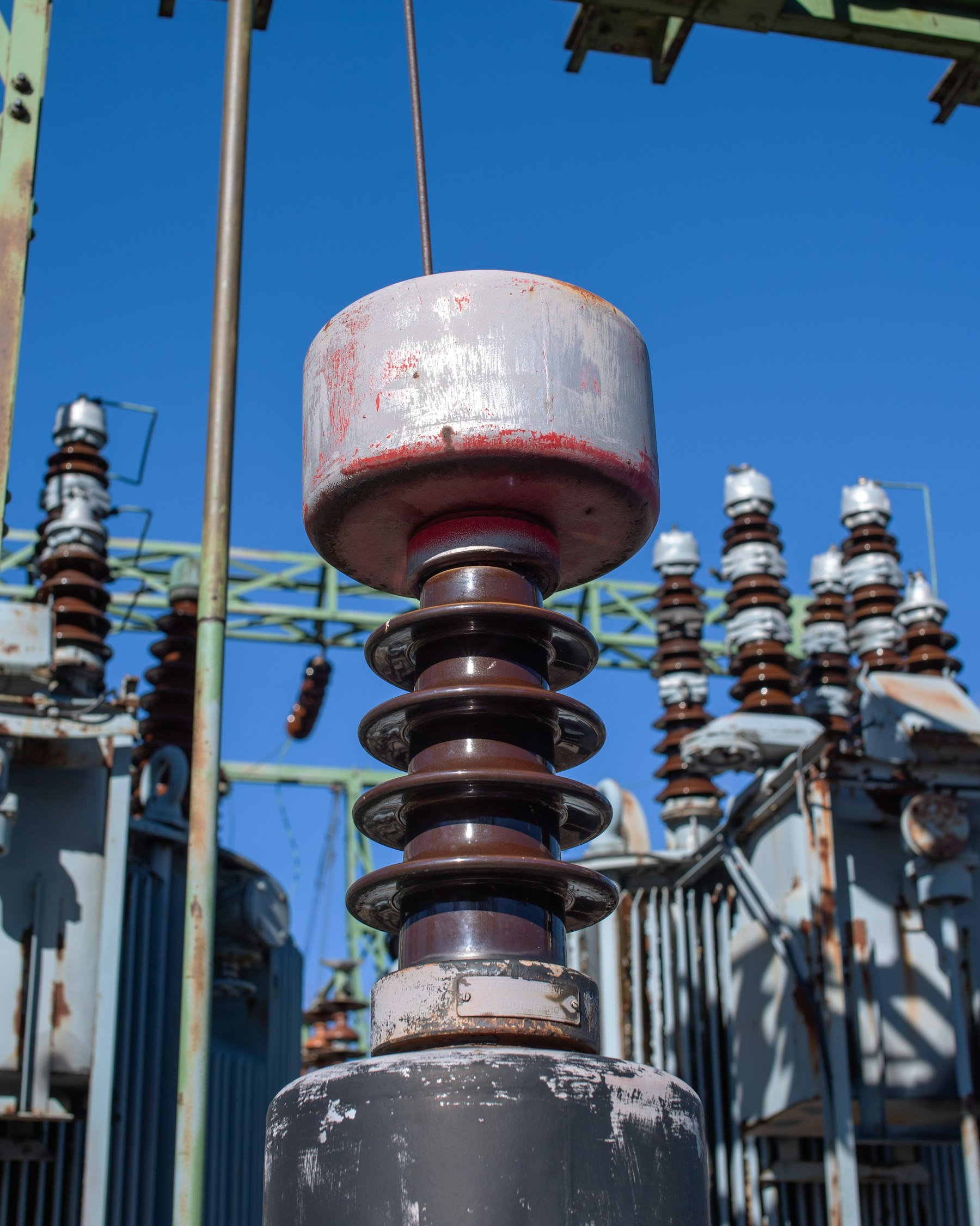
The promoters argue that the Humber is well positioned because of its existing energy and industrial base. The region accounts for a significant share of UK electricity generation and offshore wind capacity and is also developing carbon-capture and wider industrial decarbonisation infrastructure.
Those energy assets do not automatically translate into data centre capacity. Delivering several gigawatts of compute would require transmission and distribution capacity, substations, electrical equipment, and connection dates that align with construction of the individual campuses.
The project also includes commitments intended to tie the data centre programme more closely to the local economy. Its promoters are targeting at least 30% local supply-chain participation and more than £50m of investment in training and education.
They estimate the wider programme could support around 14,000 construction jobs each year during development and about 1,650 permanent roles, while adding £2.4bn a year to regional gross value added. Those figures are promoter forecasts rather than realised economic outcomes and depend on the scale and timing of delivery.
Cooling and heat reuse are also built into the proposition. The scheme proposes closed-loop cooling systems intended to minimise water consumption and says residual heat could be supplied to greenhouse developments.
Both claims will ultimately depend on detailed engineering. Closed-loop cooling can reduce water requirements compared with some evaporative systems, but the final consumption profile depends on plant design, climate conditions, operating temperatures, and any heat-rejection equipment used.
Heat reuse similarly requires a viable recipient, sufficient temperature, and infrastructure connecting the data centre to the end user. Greenhouses can provide a more localised heat sink than a city-wide district network, but commercial and seasonal demand still have to match the data centre’s output.
The scale of the North Lincolnshire bid also illustrates how AI policy is moving into industrial development. A 2.5GW data centre programme is not simply a technology initiative: it implies major construction, grid infrastructure, fibre connectivity, cooling systems, backup power, land use, and long-term operating demand.
That means any successful designation would need to coordinate more than planning permission. Electrical delivery dates, workforce availability, supply chains, local transport, water, resilience, and community impact would all shape how much of the headline capacity can actually be commissioned.
The government’s decision on the zone will therefore determine whether North Lincolnshire gains an accelerated policy framework. It will not remove the engineering work required to turn several gigawatts of proposed load into operational data centre capacity.

