
Summary
- NYAB Finland signed a first-stage early works agreement with the Utajärvi project company.
- The proposed campus could include four data halls with a combined stated capacity of 200MW.
- Contract value is undisclosed, and broader construction work remains subject to separate negotiations and agreements.
NYAB Finland has signed an agreement to undertake the first stage of early works at a planned data centre campus in Utajärvi, Finland, giving the proposed development a defined initial construction contract. The campus is being developed through Data Tank Nordic Oy, the project company of AMP Tank AG.
The agreement was announced on 9 October, with the contractor saying work would begin immediately. Its scope covers site preparation and infrastructure work, with options to expand the early works assignment. The parties have not disclosed the contract’s value.
The first contract is narrower than the masterplan
If fully implemented, the development would comprise four data halls with a combined stated capacity of 200MW, alongside supporting infrastructure. That scale describes a prospective finished campus. It is not the capacity being delivered under the initial NYAB contract, nor proof that four buildings, electrical connections and customer equipment have been fully financed.
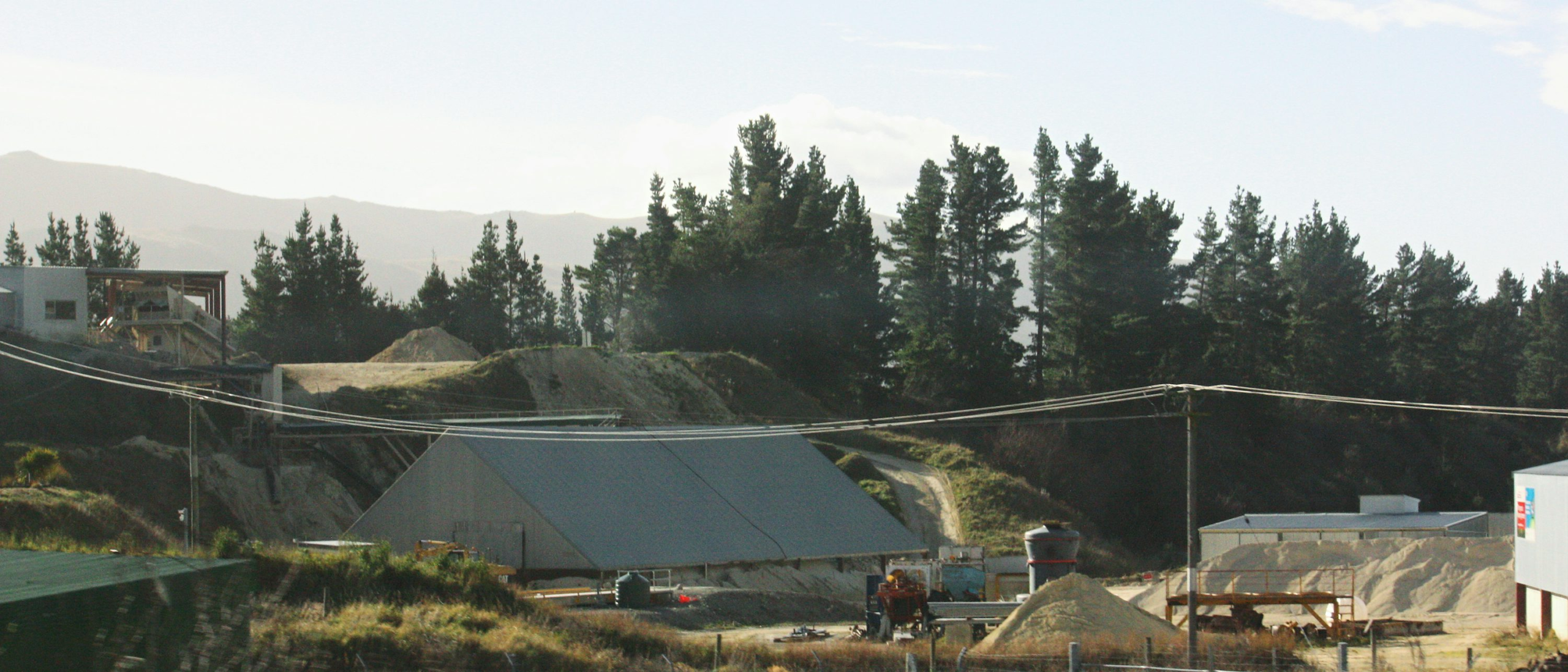
Early works normally prepare a site so subsequent contractors can install foundations, electrical infrastructure and the main buildings. The exact work packages can include earthworks, access or utility preparation, but NYAB’s announcement does not itemise enough technical detail to assign specific quantities, completion dates or contracted network capacity.
The contractor says it is discussing potential participation in further stages, which would be covered by separate agreements. That language is important commercially: a contractor that wins enabling works has not automatically secured the full campus construction contract or the value associated with the larger programme.
Utilities set the pace of delivery
A proposed 200MW campus must eventually reconcile its building programme with the availability of grid infrastructure, cooling equipment, backup power and network connectivity. Electricity connection permissions and delivery dates are distinct from land preparation. None should be inferred merely from a signed early works agreement.
In Finland, geography and climate can support different cooling strategies, but operational energy and water performance still depend on equipment selections and utilisation. The announcement does not specify the completed campus’s cooling architecture, contracted IT load or customer commitments. Claims about sustainable operation would therefore be premature.
Infrastructure sequencing also affects capital deployment. Preparatory spending can precede decisions about each data hall, and options permit the project company to add scope as engineering and commercial requirements are refined. That flexibility does not remove the risks involved in securing electricity capacity and financing the wider build.
The signed initial agreement is nevertheless a measurable development beyond a site or pipeline announcement. It identifies a contractor, an immediate work stage and the project company responsible for the proposed campus.
NYAB says it has worked with the developers from an early stage and will discuss participation in the larger project separately. Its contract announcement also quotes Utajärvi mayor Anne Sormunen describing the start of the works as a step in developing the campus. Neither statement changes the disclosed fact that only the first early works package has been signed.
The announcement contains no price, guaranteed dates for all four halls or final allocation of engineering responsibility between the project company and contractors. The difference is material when interpreting an announced campus: enabling works can demonstrate mobilisation while the largest expenditure on electrical systems and data halls remains subject to future procurement.
Delivery of the four-hall scheme will require separate, verifiable milestones: any additional NYAB awards, confirmed electrical connection arrangements, main construction contracts and commissioning. Until then, the 200MW figure remains a proposed campus scale rather than power already available to customers.

