
Summary
- Polar's DRA01 facility is operating with 12MW of IT capacity and supports Crusoe Cloud.
- DRA02 is planned to add 40MW of liquid-cooled IT capacity, with NVIDIA Vera Rubin NVL72 systems.
- Both phases are intended to use hydroelectric power, but DRA02 has not been commissioned.
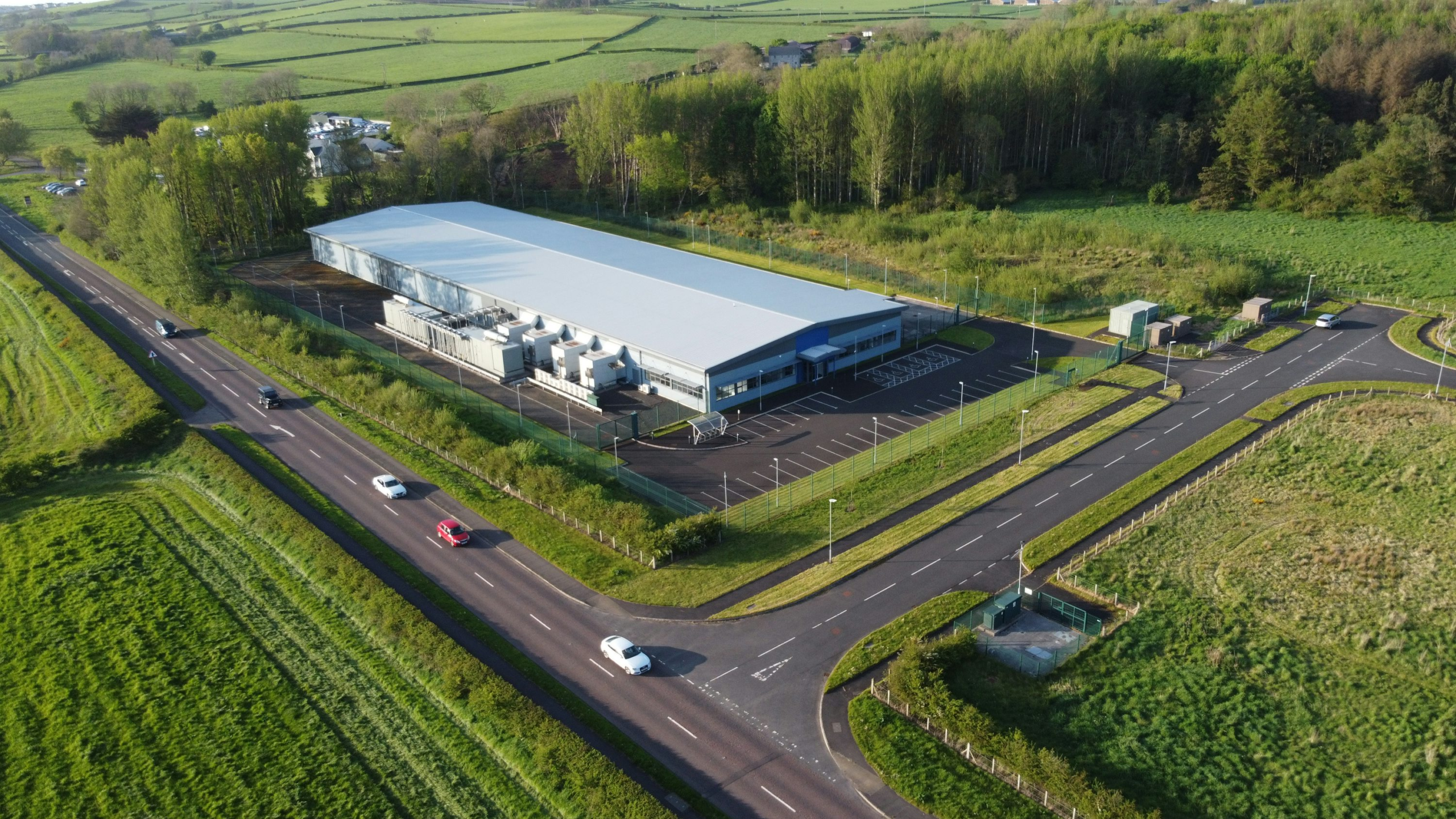
Polar Data Centers has confirmed that its 12MW DRA01 facility in Tørdal, Norway, is operating for Crusoe Cloud, while the partners prepare a second development intended to add another 40MW of liquid-cooled IT capacity.
The proposed DRA02 facility is expected to enter operation in late 2027, with Crusoe planning to install NVIDIA Vera Rubin NVL72 computing systems. Both phases are intended to use hydroelectric energy, although the additional capacity remains a development commitment rather than infrastructure already in service.
Polar Data Centers and Crusoe began their partnership around DRA01 in June 2025. Their latest agreement confirms that the initial installation has progressed into live operation and identifies the next stage of Crusoe’s Norwegian computing programme.
DRA01 provides 12MW of IT capacity, which the companies say is powered entirely by hydroelectricity. It supports Crusoe Cloud, the computing platform through which Crusoe supplies infrastructure and services for artificial intelligence applications.
The installation combines modular facilities, electrical distribution, and cooling systems designed to support dense GPU equipment. Polar describes the transition into stable operation as an established milestone, although it has not published detailed site performance measurements alongside the expansion agreement.
The second development will occupy the same Tørdal campus, extending the infrastructure available to Crusoe rather than creating an unrelated computing location. DRA02’s additional 40MW is described as critical IT capacity, a distinction from the total electricity required by a facility once supporting systems and distribution losses are included.
Crusoe’s intended Vera Rubin NVL72 deployment will create specific electrical and thermal requirements for the next phase. The platform uses rack-scale computing equipment, requiring close coordination between processor cooling, coolant distribution, rack power delivery, and the facility’s supporting infrastructure.
Those requirements will be addressed through a liquid cooling installation, although the partners have not published detailed specifications for the cooling plant, operating temperatures, redundancy arrangements, or heat rejection equipment planned for DRA02.
Liquid cooling transfers heat away from computing components through circulating fluid. The heat must then pass through distribution and exchange systems before being discharged outside the building or transferred to another useful destination.
The required cooling capacity depends on the equipment installed and its operating load. Pipework, pumps, control valves, heat exchangers, monitoring systems, and provisions for maintenance must be coordinated with the data halls and electrical infrastructure.
As a result, the ability to accommodate more computing equipment cannot be assessed solely by the amount of floor space available. Electrical supply, cooling performance, network capacity, and the reliability of supporting systems all determine how much installed hardware can be operated.
Polar has not provided independently measured power usage effectiveness, cooling water consumption, or annual electricity demand for DRA01. Its confirmation that the facility is operational establishes the reported service position but does not provide a complete efficiency assessment.
The hydroelectric supply is a characteristic of the Tørdal development, providing an energy source distinct from the thermal and operational performance of the computing equipment itself. The companies have not detailed the contractual generation arrangements or disclosed the lifecycle emissions associated with constructing and equipping the facilities.
Likewise, the proposed hydroelectric supply for DRA02 does not establish that the new building has completed every electrical connection and commissioning milestone. Its late-2027 operational date remains a target.
Delivery of the second phase will require the coordination of construction, mechanical and electrical installation, equipment procurement, and testing. Even where an existing campus provides established access and supporting services, the additional load must be integrated without compromising operating infrastructure.
Polar’s first operational facility also provides practical experience of the local environment and the customer’s requirements. Lessons from the initial deployment may inform later equipment selection and commissioning, although the partners have not disclosed a quantified performance improvement or construction saving for DRA02.
The commercial arrangement extends an existing customer relationship rather than announcing an unidentified future occupant. Crusoe intends to use the planned facility to expand the capacity of Crusoe Cloud, giving the development a defined computing application.
However, the amount of customer computing capacity ultimately available will depend on the hardware installed, its utilisation, and the successful completion of supporting infrastructure. Planned IT megawatts do not specify processor counts, computing performance, or actual service availability.
The expansion also remains separate from Polar’s Herøya development, where the company is adopting factory-built infrastructure supplied by Vertiv for a 41MW first phase. The locations, development arrangements, and reported project milestones are different.
At Tørdal, 12MW is the confirmed operating element, while the proposed 40MW addition is scheduled for late 2027. Construction progress, electrical energisation, cooling system commissioning, and the installation of Vera Rubin equipment will determine when the second phase can begin serving customers.

