
Summary
- Western Downs Digital Park is proposed on approximately 725 hectares near Dalby in Queensland.
- The four-phase project could reach 2.16GW peak capacity and around 47GWh of daily electricity consumption.
- The campus would connect near major generation and transmission infrastructure rather than through the local distribution network.
A proposed data-centre campus in regional Queensland could reach 2.16GW of peak capacity, putting Zerra DC’s Western Downs Digital Park into the power range of major generating assets rather than conventional commercial developments.
The Singapore-based developer is proposing the campus on approximately 725 hectares near Dalby, about 250 kilometres west of Brisbane. Western Downs Regional Council is considering the development application.
At the end of a four-phase build-out, project figures reported by ABC indicate potential consumption of about 47GWh per day. Queensland currently uses roughly 170GWh a day on average, meaning the fully developed campus could add demand equivalent to about a quarter of present statewide consumption.
The figures describe maximum proposed capacity rather than an operational load. The planning process could take years, construction would be phased, and the amount ultimately built will depend on approvals and customer demand.
The scale nevertheless changes the engineering problem. A multi-gigawatt load cannot simply be added to a local distribution network without coordinated planning across generation, transmission, substations, protection systems, and system reserves.
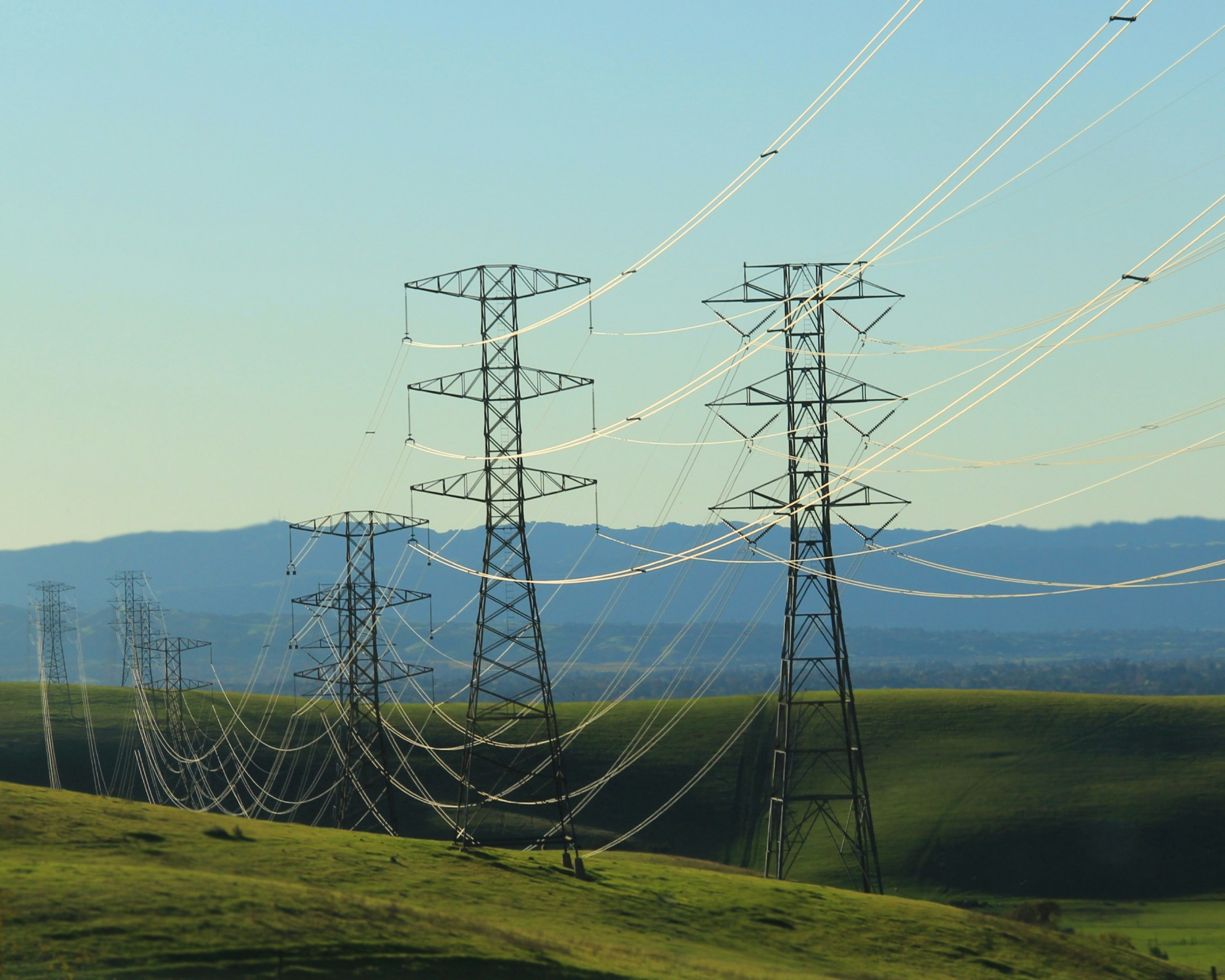
Zerra DC has selected a location already surrounded by energy infrastructure. The site is close to gas-fired generation, renewable projects, and a major substation linking electricity flows towards south-east Queensland and New South Wales.
The developer told ABC that the campus would connect directly to the substation rather than use Ergon Energy’s local distribution network serving surrounding communities.
That can avoid some constraints on lower-voltage infrastructure, but it does not isolate the project from the wider power system. Electricity consumed at the transmission level still has to be generated and balanced across the network.
If computing demand grows faster than new generation and transmission capacity, large connections can increase congestion and pressure on reserve margins. If the project instead brings new generation, storage, and network investment with it, the same load can strengthen the business case for additional infrastructure.
The relationship between the campus and new supply will therefore be more important than the nominal connection figure alone.
Queensland’s policy debate also exposes the difference between annual energy matching and continuous supply. Data centres operate around the clock, while wind and solar output vary. A project can procure enough renewable electricity on an annual basis and still depend on other generation, storage, or interconnection during periods of low output.
Gas generation is already prominent in the Western Downs region, and the state government has argued for a technology-neutral approach to new data-centre power demand. Others argue that large new loads should accelerate renewable generation rather than extend dependence on fossil fuels.
Those decisions will affect both the emissions profile and the infrastructure required to supply the site.
The planning question also extends beyond electricity. A development spread across 725 hectares can affect roads, land use, housing demand, construction labour, and local services before the campus reaches full operation.
Western Downs mayor Andrew Smith has said discussions over community benefits are already under way. That reflects the size of a project whose impact would extend beyond the number of permanent staff employed inside its data halls.
For European markets, the Queensland development is an extreme comparator rather than a direct model. Individual European campuses are generally smaller, and electricity markets and planning systems differ substantially.
The direction of travel is comparable, however. Connection pipelines in Britain and continental Europe increasingly contain projects measured in hundreds of megawatts, while operators are looking for sites near major grid nodes and generation.
Western Downs shows where that trend leads if campus sizes continue rising. Once a single computing development approaches multi-gigawatt scale, locating a suitable parcel of land is only the first requirement. The facility has to become part of long-term regional power-system planning.

