
Summary
- Quinbrook has closed its second UK-focused Renewables Impact Fund at £587m, above its £500m target.
- The portfolio includes Mallard Pass solar, a Wexford synchronous condenser, Project Norton solar-plus-storage, and Aegis Energy refuelling hubs.
- The fund sits close to data centre power constraints because it targets grid support, energy security, flexibility, and infrastructure for power-intensive growth.
Quinbrook has closed its second UK-focused Renewables Impact Fund at £587m, exceeding its £500m target and adding capital to the energy infrastructure layer behind large-load growth.
The Quinbrook Renewables Impact Fund II is the manager’s fifth fund. It was marketed to institutional investors in the UK and Ireland and builds on the first Renewables Impact Fund, which closed in 2023.
The fund is focused on infrastructure supporting the UK’s Clean Power 2030 targets and Ireland’s goal of meeting 80% of electricity demand from renewable sources by 2030. Quinbrook said the portfolio is already well advanced and includes long-term, inflation-linked contracts.
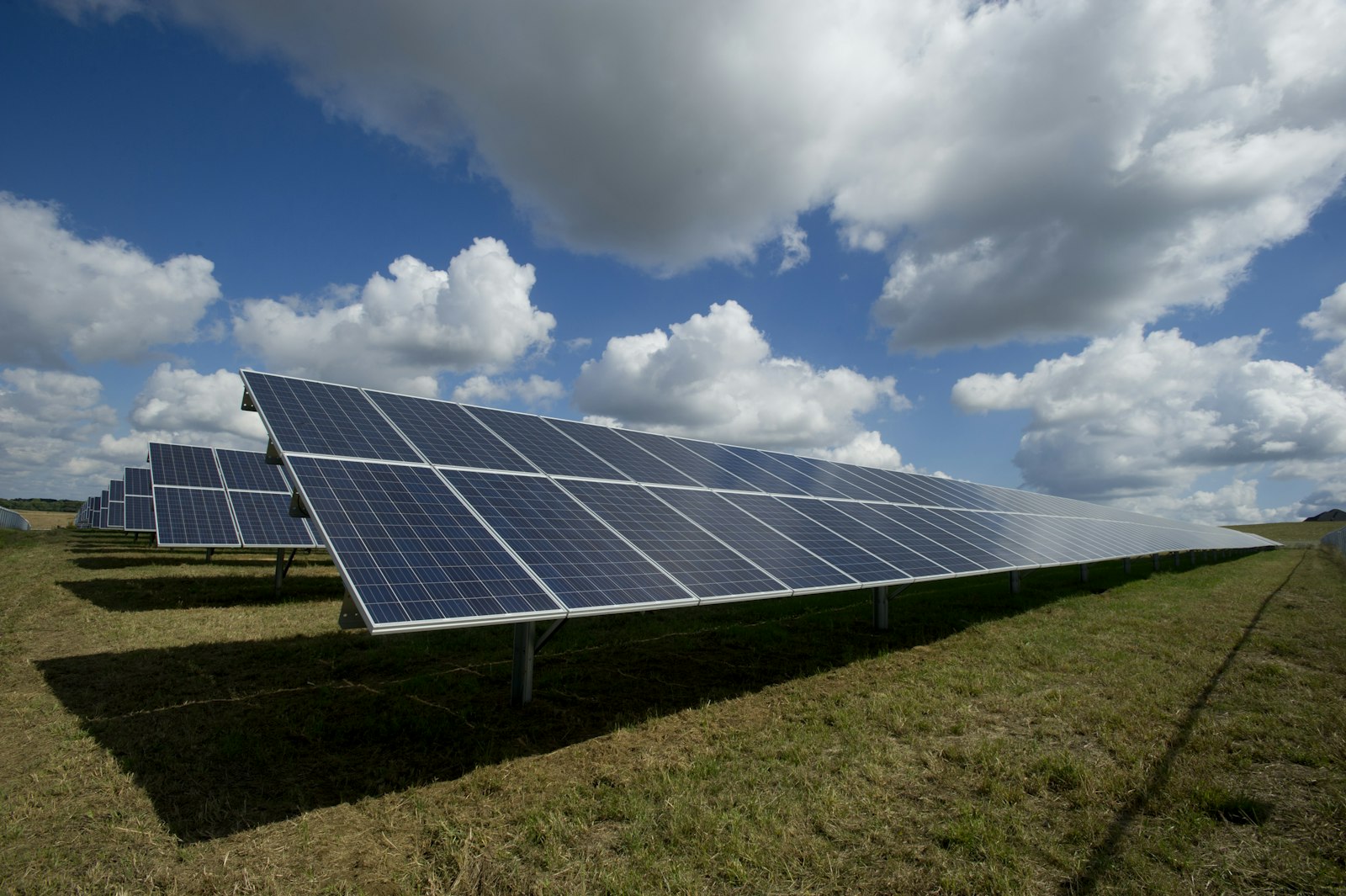
Investments include Mallard Pass, a 373MW dc, 240MW ac solar PV project in the East Midlands. Construction is expected to begin later this year, with operations scheduled for 2028.
The portfolio also includes the Wexford Synchronous Condenser Project in Ireland, a proposed 963 MVA.s facility awarded a long-term revenue contract under EirGrid’s Low Carbon Inertia Services tender. The project is configured to provide inertia, short-circuit level, and reactive power to support grid stability.
Other assets include Project Norton, a 65MW solar and 41MW battery storage project in Stockton-on-Tees, and Aegis Energy, which is building clean energy refuelling hubs for commercial and industrial transport fleets.
Grid services become infrastructure capital
The fund is not a data centre vehicle, but it is investing in the same power system that determines where data centre capacity can be connected. Grid stability, storage, inertia, reactive power, renewables integration, and local network support now shape digital infrastructure site selection.
Data centres need electricity that is available, resilient, contractable, and politically defensible. Renewable procurement does not solve that problem on its own if the grid cannot accommodate large loads, maintain system stability, or manage the loss of synchronous generation.
Ireland gives the point a sharp edge. Data centre electricity demand has become a national policy issue, while EirGrid has had to maintain system stability with high renewable penetration. A synchronous condenser in Wexford is not a data centre connection, but it contributes to the technical conditions under which renewables and large demand can coexist.
The UK faces a parallel pressure. Developers are seeking large grid connections into a system where transmission reinforcement, queue reform, and regional power availability increasingly shape capacity delivery. Clean Power 2030 adds urgency to renewables and flexibility build-out, while data centres add another large demand class to the same system.
Digital demand follows power capital
Quinbrook describes itself as focused on infrastructure for the energy and digital transitions, and its wider platform includes exposure to hyperscale data centre infrastructure and AI-powered asset optimisation. The overlap reflects a broader capital-market shift: energy infrastructure and digital infrastructure are becoming linked asset classes.
For developers, that creates both support and competition. Energy transition capital can fund the flexibility, generation, and grid services needed to support large loads. The same data centres must also compete with electrified transport, industry, homes, and other energy users for grid capacity and political room.
The fund’s contract base also shows why power arrangements are moving deeper into data centre investment analysis. Long-term grid service revenues and nationally significant infrastructure projects can make energy assets attractive, but their value to digital infrastructure depends on whether they relieve real constraints in the right places.
Quinbrook said it has invested £1.2bn of equity capital in UK and Ireland projects and businesses since inception, with total capital investment of £1.7bn. Its latest close keeps institutional capital flowing into the grid-side infrastructure that data centre growth increasingly depends on.

