
Summary
- Lauro Asset Management is reported to be urging Segro to spin off or separately list its data centre business.
- Segro’s data centre exposure includes powered-shell assets around Slough and a wider European power-backed land bank.
- The pressure reflects a valuation debate over data centre infrastructure inside diversified property companies.
Segro is facing investor pressure to separate its data centre business, as powered land and digital infrastructure assets attract stronger attention from capital markets.
Lauro Asset Management is reported to have urged Segro to spin off the division or sell a stake and list it separately, with the Netherlands raised as a possible venue. The proposal reflects concern that the London market is undervaluing data centre assets inside a diversified industrial and logistics property company.
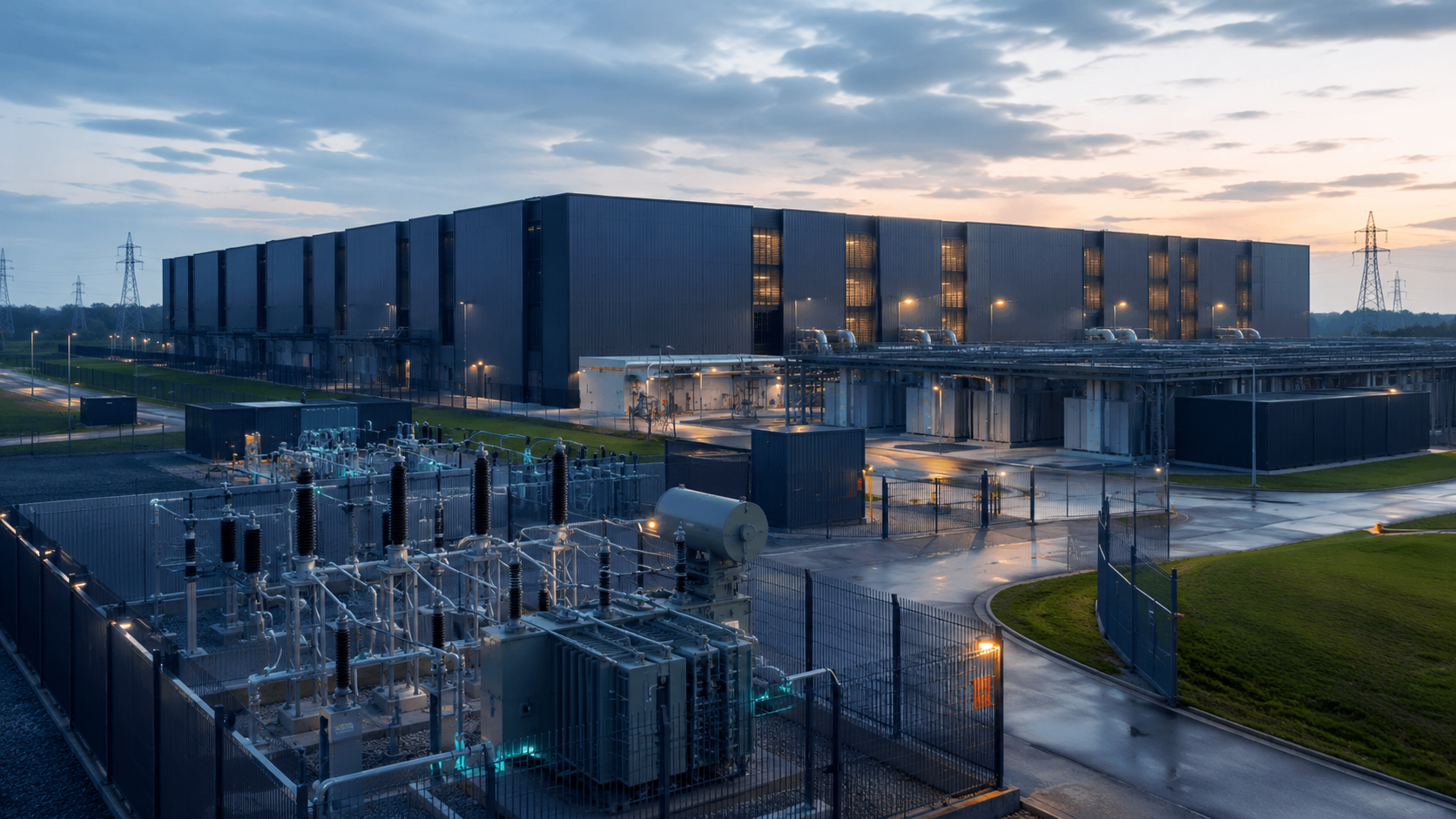
Segro is best known as a major owner and developer of warehouses, urban logistics assets, and industrial estates. Its data centre exposure is concentrated in strategically important powered-shell assets, particularly around Slough, one of Europe’s largest data centre clusters.
The company has previously identified data centres as a growth area and has been moving beyond a purely powered-shell model. In 2025, Segro set out plans to develop more fully fitted data centre assets, aiming to serve major cloud providers more directly and capture a greater share of rental income.
Powered land changes the valuation
The activist argument sits inside a wider shift in infrastructure real estate. Data centre demand has made powered land one of the most valuable property categories in Europe. A site with a credible grid connection, fibre access, planning pathway, and expansion potential now carries value that conventional industrial property metrics can struggle to capture.
Segro’s position is unusual because it already owns land and infrastructure in locations that hyperscalers and colocation providers understand. Slough Trading Estate has long been central to the UK data centre market because of power, connectivity, and proximity to London. Those conditions are difficult to replicate quickly.
A logistics warehouse and a data centre shell may both sit within an industrial estate, but their economics are different. Data centre assets involve larger power commitments, longer customer relationships, more technical infrastructure, and exposure to AI-driven demand. Where fit-out is owned, they can also bring faster technology cycles, higher capital intensity, and greater execution risk.
Separating a data centre division could make those differences easier for investors to value. It could also give the business a dedicated capital structure for joint ventures, expansion, and specialist development. Keeping the assets inside Segro preserves portfolio flexibility and avoids creating a standalone vehicle exposed to high expectations and specialist execution demands.
Pipeline value depends on power
The debate is not only about corporate structure. Investors are asking how much capacity can be delivered, when power can be energised, what customers will lease it, and how much capital is needed to turn land into operating data centres.
That places a heavier disclosure burden on diversified property groups with data centre exposure. A headline megawatt pipeline has limited value unless it can be traced through grid access, planning status, substation delivery, customer demand, construction timing, and cooling strategy.
A spin-off would not remove those constraints. It would make them more visible. Specialist data centre investors may reward growth potential, but they are also likely to scrutinise delivery risk more closely than general property investors.
The pressure on Segro also reflects how European digital infrastructure capital is becoming more specialised. Dedicated platforms, private credit, infrastructure funds, sovereign capital, and hyperscale joint ventures are all competing for exposure to AI and cloud capacity. A listed data centre vehicle with credible UK and European powered land would draw attention, but it would be judged against operators and developers that already present themselves as pure-play platforms.
Segro has not announced a separation, and investor proposals do not automatically become corporate strategy. The pressure itself is still notable. Data centre assets are no longer a niche extension of industrial estates. They are now part of board-level capital allocation, with power availability sitting at the centre of the valuation argument.

