
Summary
- The scheme covers a vacant 6.8 hectare industrial site and represents investment of about £1.4 billion to £1.5 billion.
- Planning contributions cover transport, carbon, air quality, employment, training, public realm, and community measures.
- Approval settles the principal land use decision, while grid delivery, substation construction, procurement, and phased energisation remain ahead.
CyrusOne has secured planning committee approval for a hyperscale data centre campus on the former Quaker Oats and Honey Monster factory site in Southall, west London.
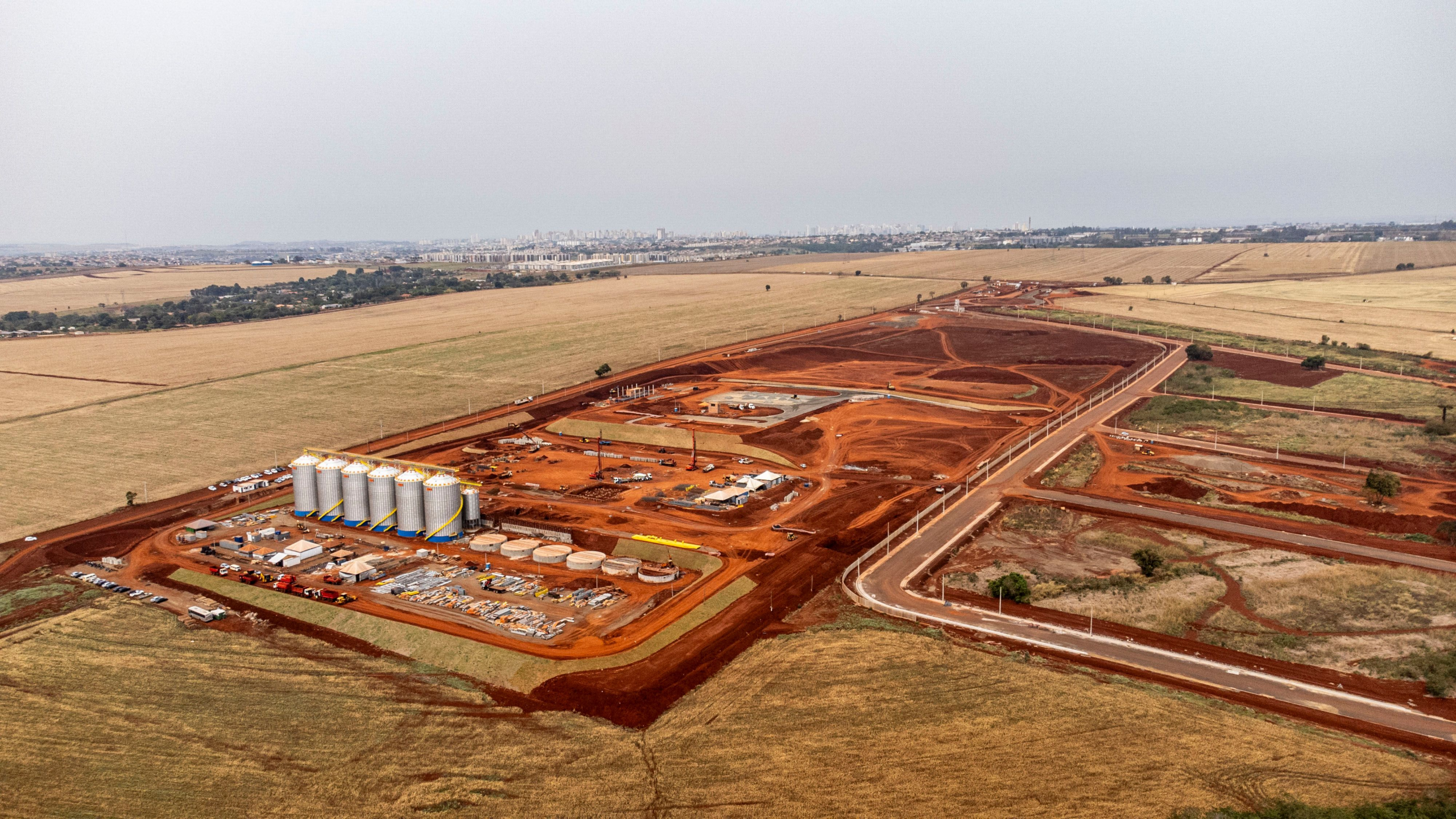
The scheme will redevelop approximately 6.8 hectares of vacant industrial land on Bridge Road, replacing the former food manufacturing complex with data centre buildings, a dedicated electricity substation, workspace, training facilities, landscaping, and new public areas.
The investment has been described as between £1.4 billion and £1.5 billion. Subject to the remaining planning conditions, procurement, and utility programme, construction could begin during 2027.
Ealing Council is expected to receive almost £17.8 million through Section 106 obligations and the Community Infrastructure Levy. Contributions cover transport, carbon reduction, air quality, employment, skills, and local improvements, while the scheme also includes workspace and training commitments.
The approval creates land, not live capacity
CyrusOne has not yet published the final IT load, customer mix, energisation date, or detailed phasing plan. Those figures will determine how the approved masterplan converts into operational capacity and when the capital programme begins to generate revenue.
A dedicated substation gives the campus control over its internal high voltage infrastructure, but it does not create electricity upstream. The project still requires an agreed utility connection, network capacity, transformers, switchgear, protection studies, cable routes, and a phased energisation programme aligned with the construction sequence.
West London has already experienced tension between large electricity loads and the pace at which housing and commercial projects can connect. Earlier constraints across parts of Ealing, Hillingdon, and Hounslow demonstrated how data centre demand, network reinforcement, and wider development can become linked.
The Southall proposal therefore carries a more demanding power test than the planning headline alone suggests. A large urban site can have suitable access, fibre, and planning status yet remain commercially constrained until its megawatts have a firm delivery date.
The design is expected to include a substantial photovoltaic façade. On site solar can contribute to auxiliary loads and the planning carbon strategy, although the annual output will cover only a limited share of the electricity required by a hyperscale campus.
The larger energy outcome will be determined by grid supply, power procurement, additional generation, operating efficiency, and the utilisation of the finished buildings. Early performance estimates will also need to be tested against the density and cooling requirements of the eventual customer equipment.
Brownfield regeneration meets an urban operating envelope
The former factory provides an established industrial site with enough contiguous land for a major campus, avoiding the direct loss of greenfield space. Its location also places construction and permanent plant close to homes, businesses, roads, and the Grand Union Canal.
Noise controls will need to cover cooling equipment, transformers, generators, and regular testing. Since a data centre runs continuously, the acoustic design has to perform during night time conditions rather than only during daytime construction activity.
Air quality obligations are relevant to the backup generation system. Individual generators may operate infrequently, but the aggregate thermal capacity across a campus can be substantial, particularly during testing or an extended network interruption.
Fuel storage, delivery access, emissions modelling, testing schedules, and maintenance all become part of the operating plan. The site’s urban context leaves less room for plant to be separated from neighbours than on a remote campus.
The construction phase will support a larger temporary workforce than the completed facility. Training, employment, and workspace commitments seek to retain more local value beyond the building programme, although permanent staffing will remain modest relative to the capital invested.
CyrusOne’s European portfolio already includes capacity in London, Frankfurt, Dublin, Amsterdam, and Paris. Southall would give the company a sizeable new development platform inside a London market where land with a credible planning and power route has become increasingly scarce.
Committee approval allows detailed design, condition discharge, procurement, and site preparation to advance. The next decisive evidence will be a firm connection and phasing schedule showing when the first building can be energised, commissioned, and handed over to customers.
The Honey Monster factory was once defined by what moved through its production line. Its successor will be judged by whether electricity, cooling, fibre, equipment, and planning obligations can be brought together quickly enough to turn a cleared industrial plot into dependable digital capacity.

