
Summary
- SIN01 used no potable water for cooling and returned the same 692,942m³ of seawater it abstracted.
- Operational electricity was annually matched with renewable electricity generated in Portugal.
- The facility reported no operating interruption during the April 2025 Iberian grid outage.
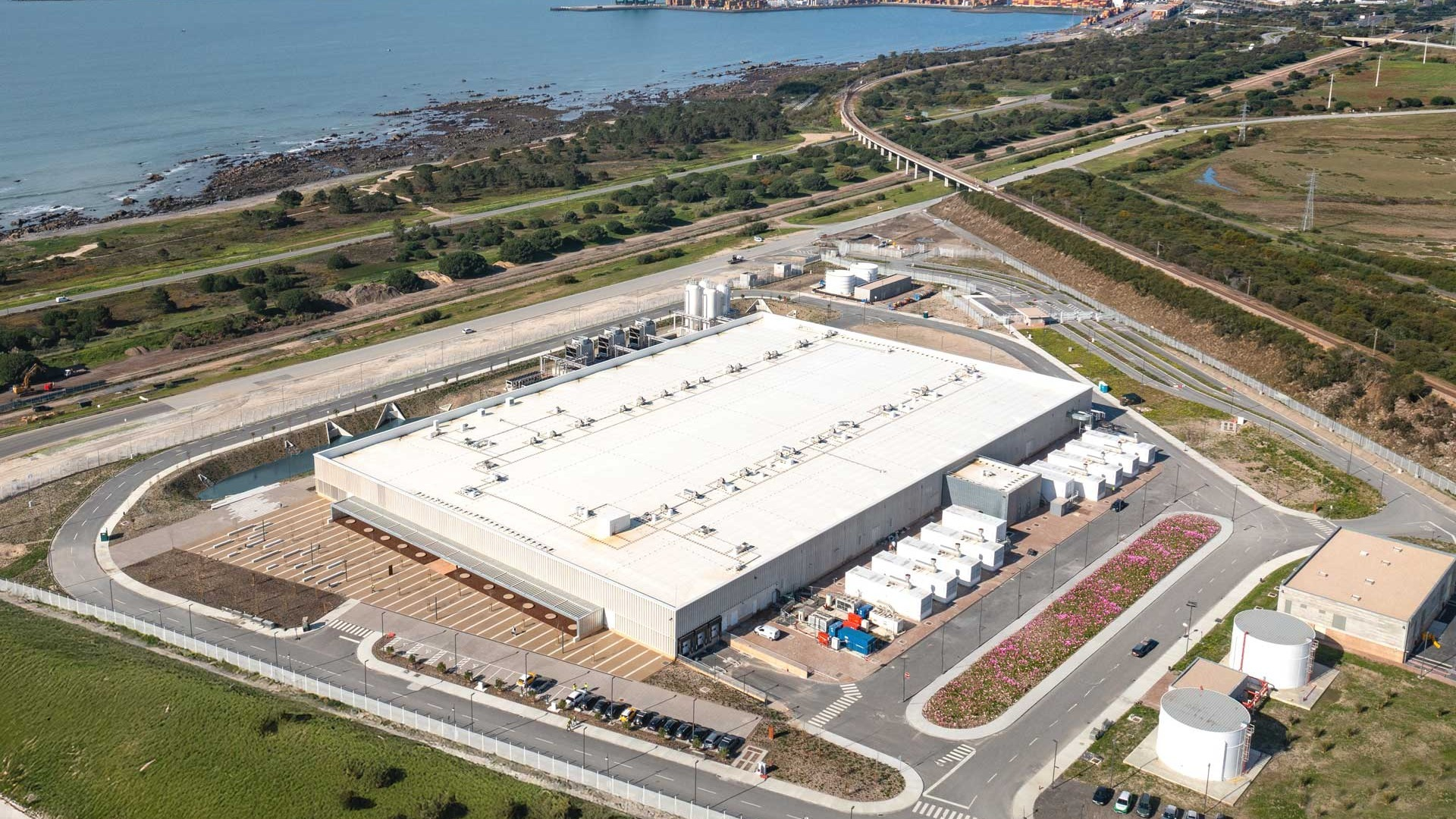
Start Campus has published the first full year of measured operating data from SIN01 in Sines, providing figures for water, electricity, waste, and resilience at the first facility in its planned 1.2GW campus.
The operator said SIN01 used no potable water for cooling during 2025. Its once through seawater system abstracted 692,942m³ during the year and returned the same volume, which the company records as zero net seawater consumption.
The cooling system still handles a substantial volume of seawater. Its water claim refers to consumption rather than abstraction: the process returns the seawater instead of losing it through evaporation.
Start Campus has built the system around existing industrial seawater infrastructure at Sines, avoiding dependence on municipal potable supplies for heat rejection.
The company also reported that 100% of SIN01’s operational electricity was matched annually with renewable electricity generated in Portugal.
Annual matching measures procurement across the reporting year. It does not establish that renewable generation supplied the facility during every operating hour, and it should not be read as a 24/7 carbon free energy measure.
SIN01 recycled 93.2% of its operational waste during the year and achieved LEED Gold certification.
The facility also remained operational through the Iberian electricity system outage on 28 April 2025, according to Start Campus.
The blackout affected supplies across Spain and Portugal and exposed live facilities to a grid event that cannot be fully replicated through planned generator and UPS tests.
Start Campus has not published enough technical detail to establish how long backup systems operated, how utility supplies returned, or which parts of the electrical architecture carried the load during the event.
The absence of service interruption nevertheless provides an operating result rather than a design claim.
SIN01 represents the first stage of a campus intended to reach 1.2GW. Start Campus continues to cite a design target of 1.1 Power Usage Effectiveness and Water Usage Effectiveness of 0 for the wider development.
Those figures remain campus targets. The 2025 dataset provides a measured baseline from an operating building before the site reaches the much larger loads envisaged in the masterplan.
The company also manages about 55 hectares under a 25 year conservation programme and continued marine biodiversity monitoring around Sines during 2025.
Seawater cooling reduces demand on potable water but leaves other environmental questions to be managed. Abstraction volumes, discharge temperatures, marine ecology, pumping energy, and long term operating conditions remain part of the facility’s physical footprint.
The electricity claim will also become harder to sustain as the campus expands. Matching the consumption of one building with renewable generation requires far less electricity than matching several hundred megawatts of continuous load.
Future reporting will show whether water use, energy procurement, waste performance, and availability remain consistent as additional buildings and IT load enter service.

