
Summary
- Terna's extended consultation on its proposed network code amendments closed on 23 November.
- Annex A.86 would establish dedicated connection requirements for data centres connected to high-voltage and extra-high-voltage networks.
- Associated amendments would revise existing network code provisions governing connection and protection arrangements.
Italian electricity transmission system operator Terna has concluded a consultation on proposed network code amendments introducing dedicated technical requirements for connecting data centres to high-voltage and extra-high-voltage electricity infrastructure.
The consultation opened on 13 October, with submissions originally due by 13 November. Terna subsequently extended the deadline until 23 November.
The proposed changes include a new annex, A.86, establishing general connection conditions for data centres and addressing the protection, regulation, and control systems governing their interaction with the electricity network.
A separate annex, A.85, addresses other network protection requirements, while proposed amendments to Chapter 1C would align existing connection provisions with the requirements contained in both annexes.
The proposed amendments have not yet entered into force. Their final form will depend on the subsequent network code review and approval process.
Electrical behaviour during network disturbances
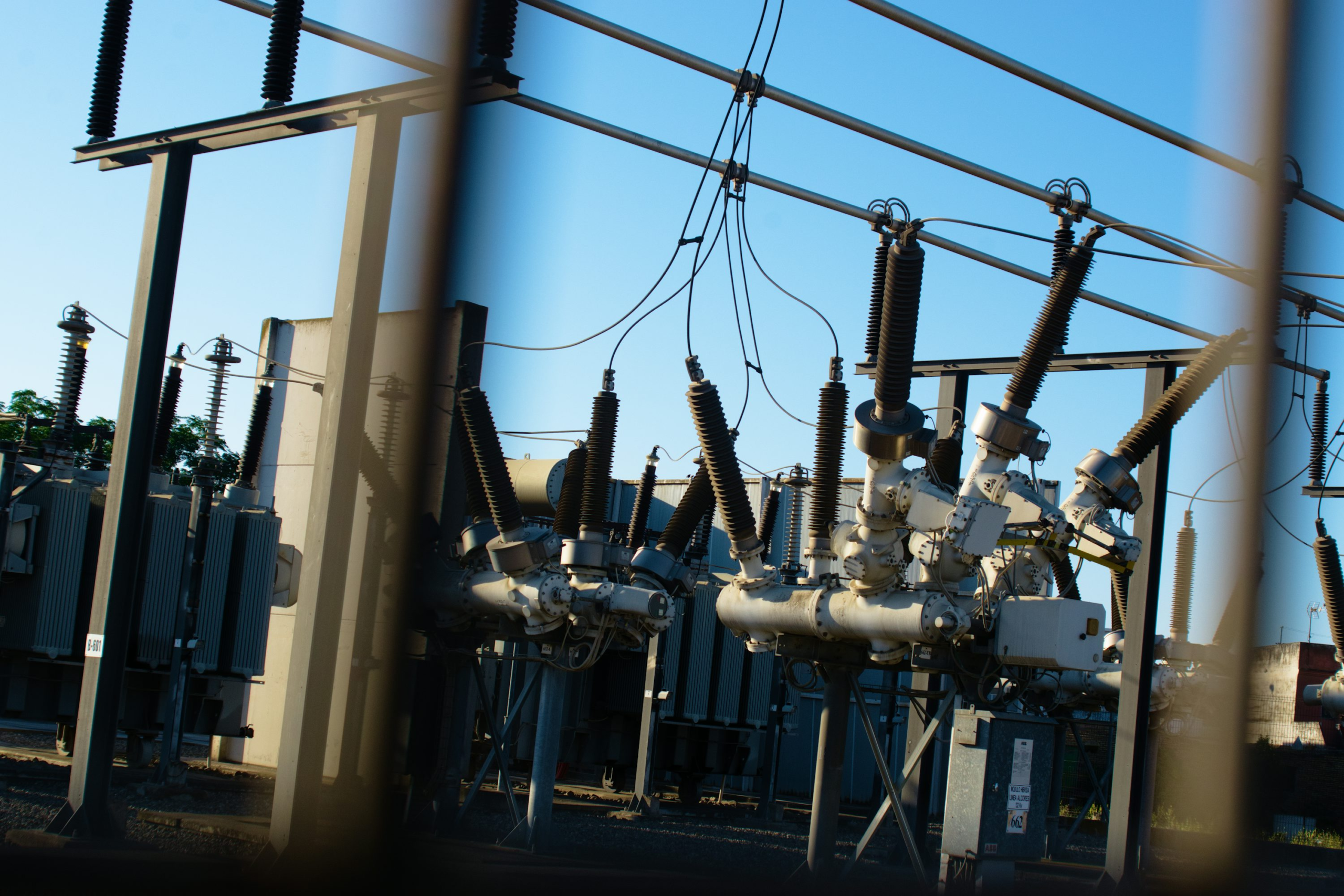
Large data centres contain extensive electrical infrastructure designed to maintain continuity of supply to computing equipment, including transformers, uninterruptible power supplies, power electronic converters, standby generation, and associated control systems.
The operation of those systems can also influence the electricity network supplying the facility, particularly during faults or other disturbances affecting several industrial consumers simultaneously.
Protective devices are designed to disconnect electrical equipment when operating conditions exceed acceptable limits. Their configuration determines how individual installations respond to changes in voltage, frequency, and other electrical conditions.
Where several large facilities respond to the same transmission fault by simultaneously disconnecting substantial loads, the resulting change in electricity consumption can affect the balance between supply and demand across the wider system.
The subsequent restoration of those loads can introduce further operational challenges if electricity demand returns faster than the network can accommodate under prevailing conditions.
Coordinating facility protection and control systems with transmission network requirements allows operators to assess those interactions alongside the maximum electricity demand associated with individual developments.
Terna’s proposed dedicated annex recognises the need to address the electrical characteristics of computing infrastructure within Italy’s connection framework.
The detailed performance obligations ultimately imposed on developers will depend on the approved wording of the annex. Numerical thresholds, response times, and specific protection settings cannot be established from the consultation notice alone.
Electrical equipment procurement could nevertheless be affected where the adopted requirements introduce performance obligations beyond those anticipated during a facility’s original design.
Power converters, protection relays, transformers, and control systems must be capable of operating together under the conditions established for the facility’s network connection. Demonstrating compliance may require engineering studies, simulation models, and commissioning tests covering the behaviour of the installation under different operating conditions.
European grid requirements become more specific
Italy’s expanding data centre market has created additional electricity infrastructure requirements in Milan, Rome, and other locations where domestic and international computing providers are pursuing substantial capacity additions.
The delivery of additional electricity connections involves more than establishing whether a transmission line or substation has sufficient nominal capacity. Network operators must also consider how proposed loads will affect electrical stability, protection arrangements, and the recovery of the wider system following disturbances.
The technical performance requirements imposed at the connection point can consequently affect both a project’s construction costs and the equipment specifications incorporated into its design.
Italy is not alone in examining these requirements. Ireland introduced new transmission network provisions in October governing the response of relevant electricity consumers to network faults and the subsequent recovery of demand.
DataCentral’s earlier coverage of the Irish requirements examined how fault ride-through and post-fault recovery obligations bring the electrical behaviour of large demand facilities into a more detailed connection framework.
Fault ride-through requirements can oblige equipment to remain connected during specified disturbances where continued operation is technically feasible. Such arrangements seek to prevent the unnecessary loss of large quantities of electricity demand when the transmission system experiences temporary faults.
The Irish provisions provide a relevant European comparison, but they do not establish the technical obligations that Terna will ultimately adopt in Italy.
Developers progressing Italian projects will need to consider any approved requirements alongside existing electrical specifications, particularly where projects have already committed to the procurement of major equipment.
Terna’s consultation procedure allows affected organisations to identify practical implementation issues before proposed changes become binding. Its extension provided an additional ten days for submissions addressing the two annexes and associated network code amendments.
With the consultation period concluded, the next development will be the progression of the amendments through the applicable approval process. Until their final publication, the proposed requirements remain a consideration for infrastructure design rather than an established new compliance obligation.

