
Summary
- Strategic demand prioritisation is a confirmed government policy direction.
- Data centre connection alignment forms part of the wider reform programme.
- No individual project is given a confirmed energisation date by the response.
The Department for Energy Security and Net Zero has confirmed strategic electricity demand prioritisation and strategic alignment of data centre connections as part of the government’s reform of Britain’s network connection arrangements.
A response published on 28 October follows consultation on accelerating electricity connections for strategically important demand. The government received 156 submissions from project developers, network operators, local authorities, investors, industry bodies and other stakeholders.
The response establishes decisions on elements of the reform programme and identifies further steps. Its purpose is to change how prospective demand can be assessed and prioritised when large numbers of projects seek capacity from networks with limited available headroom.
Data centres are among the major consumers applying for substantial connections. Their requested capacity can reflect a large ultimate campus development that may be constructed in phases, with electricity consumption rising as computing equipment is installed and operated.
Not every project in a connection queue will necessarily proceed to construction. Applications with different levels of maturity can complicate planning for network reinforcement, the allocation of capacity and the delivery dates offered to other customers.
Priority does not create physical capacity
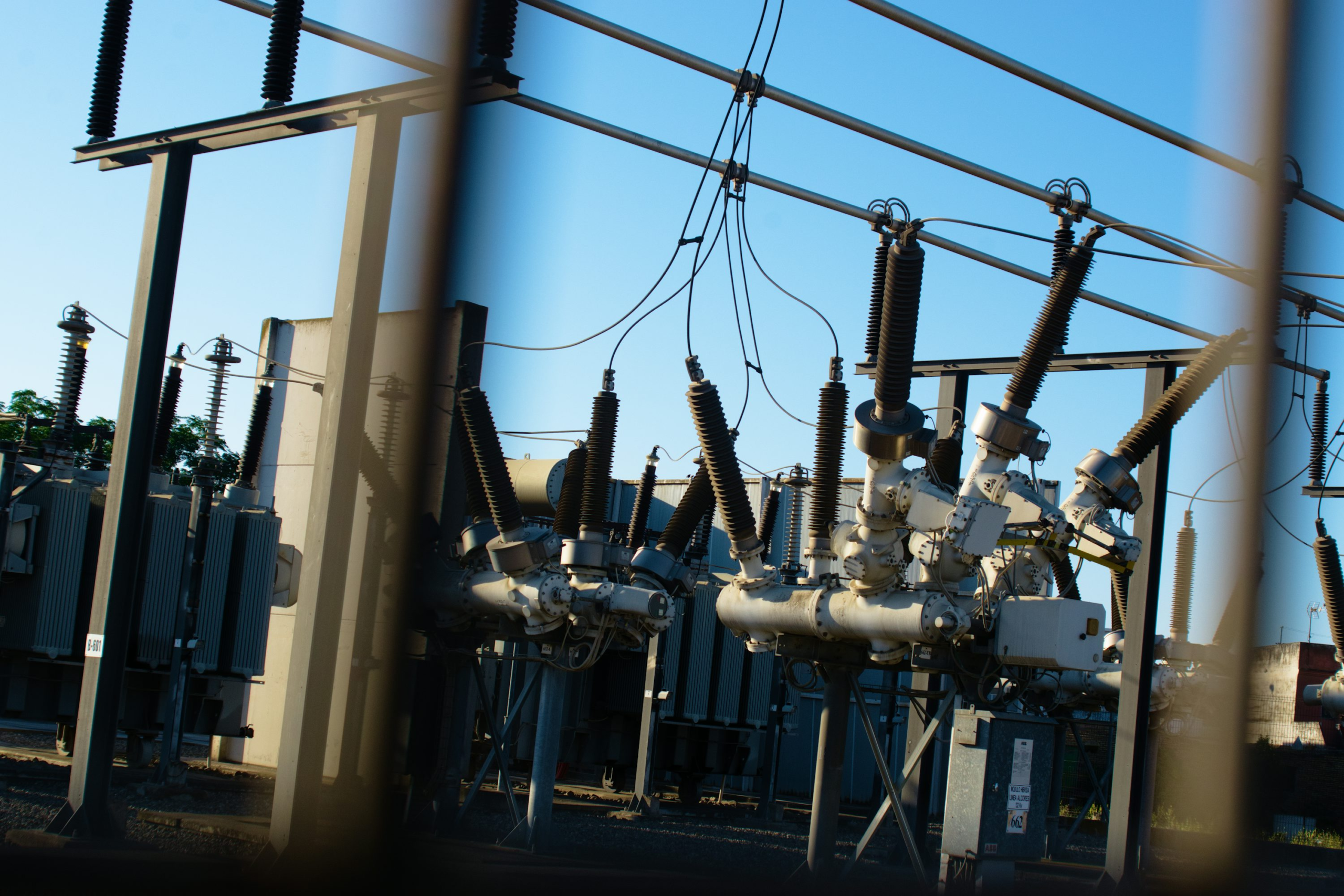
Strategic prioritisation can affect how a project is treated within the allocation process, but it does not increase the capability of transformers, cables or substations already in service. Where existing infrastructure cannot supply the proposed demand, additional engineering work remains necessary.
A large connection may require new high-voltage equipment, protection systems and reinforcements elsewhere on the network. Delivery depends on procurement, construction, system integration and the operating constraints of the relevant transmission or distribution network.
Data centre projects also need to separate their requested grid connection from installed IT power. Cooling, power conversion and supporting services add to total facility electricity demand, while the actual IT load may grow over several construction phases.
Government plans to introduce strategic alignment of data centre connections reflect the wider relationship between computing locations, electricity infrastructure and other regional constraints. The Covenant published on 28 October also refers to alignment with regional infrastructure targets beyond 2030, informed by spatial planning tools.
Location can affect both the cost and timing of a connection. A development close to suitable high-voltage infrastructure may still face reinforcement work if that network is constrained, while a project in another area could encounter a different combination of engineering and commercial requirements.
Further rules will govern applications
The government consulted on using powers established through the Planning and Infrastructure Act 2025. The 28 October response confirms the policy decisions, but further operational and regulatory steps are needed to determine eligibility and implementation for specific applicants.
Developers will need clarity on the evidence required to demonstrate strategic importance, how existing applications are treated and the relationship between any preferential allocation and their established connection agreements.
The National Energy System Operator, network companies and Ofgem have different responsibilities affecting the connection process. Implementation will need to account for those responsibilities and the wider operation of the electricity system.
Changes to connection priority also interact with planning. A computing campus cannot operate without a completed electricity supply, but an offered connection does not independently establish that its buildings, cooling and associated works have received development consent.
The government’s draft data centre National Policy Statement provides a separate proposed route for assessing nationally important projects in England. The two programmes concern different decisions that ultimately have to align if substantial new computing capacity is to be delivered.
The response does not identify an earlier energisation date for any individual data centre. Developers should distinguish confirmed connection terms and construction milestones from the potential benefits of policy changes that are still being implemented.
The immediate development is the government’s decision to introduce strategic demand prioritisation and alignment measures. Their practical consequences will become clearer through the subsequent detailed rules and their application to particular connection requests.
The government response was informed by comments from a range of participants, including network owners, demand developers and local authorities. Their interests may diverge: a project promoter seeks a predictable route to energisation, while network operators must maintain system security and allocate capacity that may be scarce.
Any changes to queue management will also have distributional consequences because capacity reserved or released in one location cannot necessarily serve a project in another without reinforcement. The detailed rules will determine how policy objectives are reconciled with those physical limitations.

