
Summary
- Nunsys Cloud has opened additional capacity at its Paterna Technology Park data centre in Valencia.
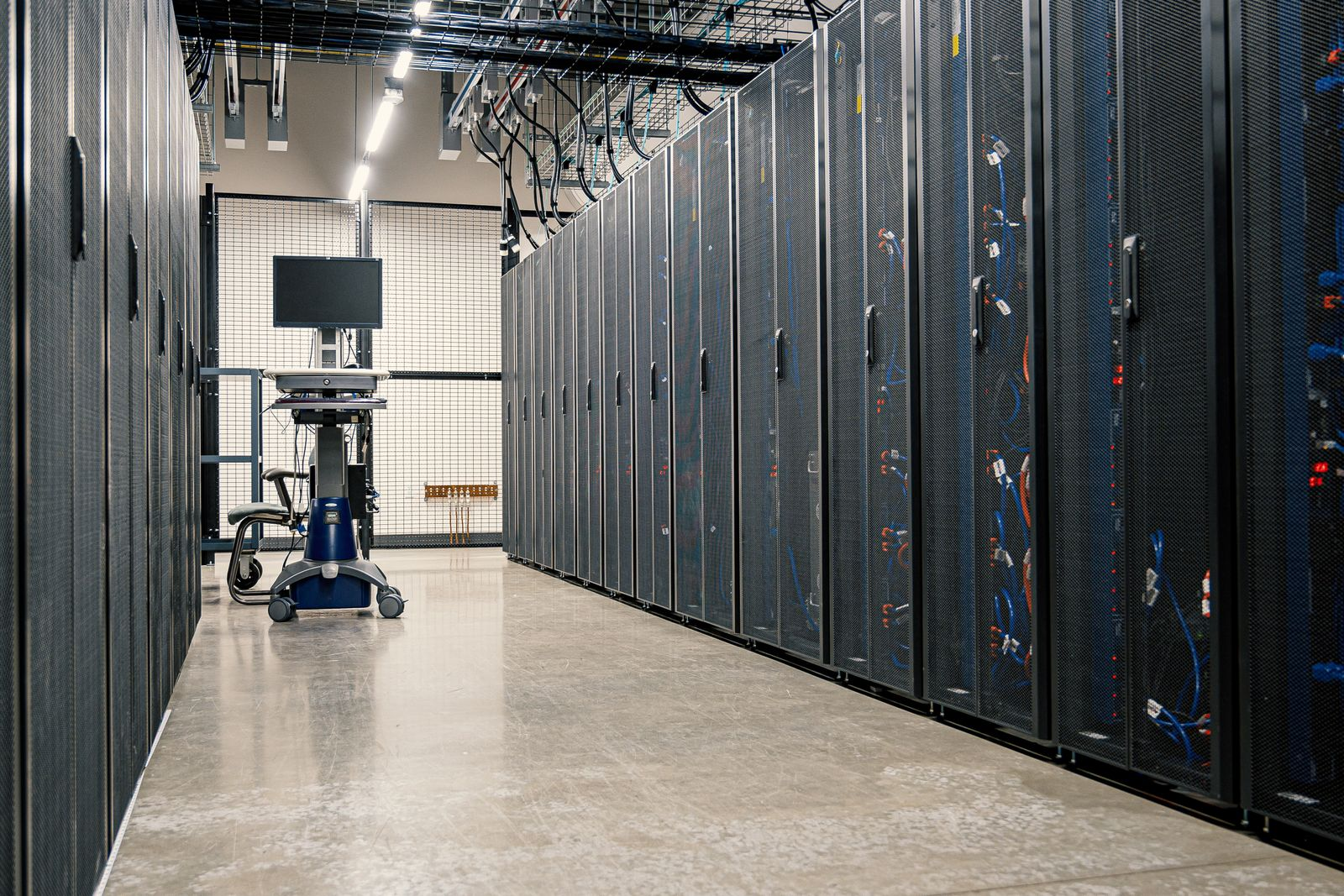
- The renovated 450 sq m facility provides 150 racks and capacity for up to 5,000 servers.
- The company expects the expanded infrastructure to support cloud, cybersecurity, and digital infrastructure demand in Spain’s Mediterranean arc.
Nunsys Cloud has added capacity at its data centre in Paterna Technology Park, Valencia, following a seven-month renovation and an initial investment reported at €10m.
The expanded facility provides 150 racks across 450 sq m and has capacity for up to 5,000 servers. Nunsys Cloud is using the project to increase operational capacity and support a five-year plan to grow its customer base and service portfolio.
The site currently serves around 1,500 customers and generates annual revenue of close to €3m, with the company targeting €10m over the next five years. The expansion is smaller than Spain’s largest AI campus proposals, but it sits in the regional layer of the market where cloud, managed infrastructure, cybersecurity, backup, and hybrid services are delivered close to enterprise customers.
Regional capacity outside the hyperscale frame
Nunsys is a Valencian technology group with a broad portfolio covering cloud, cybersecurity, communications, systems integration, and managed services. The Paterna expansion strengthens its infrastructure base in the Valencian Community, where technology parks and regional business clusters are trying to build more local digital capacity.
The technical scale points to enterprise and regional cloud demand rather than hyperscale leasing. A 150-rack, 450 sq m deployment depends on service mix, connectivity, operational support, customer proximity, and compliance rather than the bulk sale of large powered-shell blocks to a single global tenant.
That distinction is increasingly easy to lose. Spain’s data centre market is being discussed through multi-hundred-megawatt AI campuses, yet many businesses still rely on regional facilities for latency, support, sovereignty, hybrid cloud, backup, and business continuity. Local infrastructure providers can also support workloads that are too customised, too operationally integrated, or too sensitive to move entirely into a public cloud region.
The Paterna facility sits inside a technology park rather than a remote greenfield campus. That gives it closer proximity to customers and suppliers, but it also places the site inside an existing municipal utility environment. Resilience still depends on power protection, cooling reliability, access control, monitoring, maintenance discipline, and a service model that can support customer operations after the fit-out is complete.
AI pressure reaches smaller sites
Regional data centres are not insulated from the AI infrastructure cycle. Even without hosting large training clusters, they may be asked to support private AI, inference, data management, cybersecurity analytics, or hybrid architectures connected to public cloud platforms. Those workloads can raise rack power density and change cooling and monitoring requirements.
Nunsys Cloud’s five-year growth plan therefore sits inside a broader increase in infrastructure intensity. Customers that once bought straightforward hosting may now expect more resilient architectures, stronger security assurance, higher compute density, and more sophisticated backup options. Each requirement feeds back into the physical plant, from UPS capacity and airflow management to cable management and fire protection.
The Valencian market is also becoming more visible in Spain’s digital infrastructure geography. Alicante is seeing larger campus proposals, Valencia has a strong business and technology base, and the Mediterranean corridor offers an alternative to heavy concentration in Madrid and Aragón. Paterna will not reshape that geography alone, but it adds capacity to the layer of infrastructure that connects regional businesses to cloud and managed services.
The commercial test is whether Nunsys Cloud can convert additional racks and server capacity into higher-value recurring services. The building provides headroom; the business case depends on how reliably and securely the company can run the services layered on top of it.

