
Summary
- VivoPower says conversion site works have been mobilised for an initial 40MW phase.
- Local contractors will undertake enabling and structural works before the specialist M&E package.
- An unnamed preferred AI tenant and proposed heat recovery do not yet establish operating revenue or heat offtake.
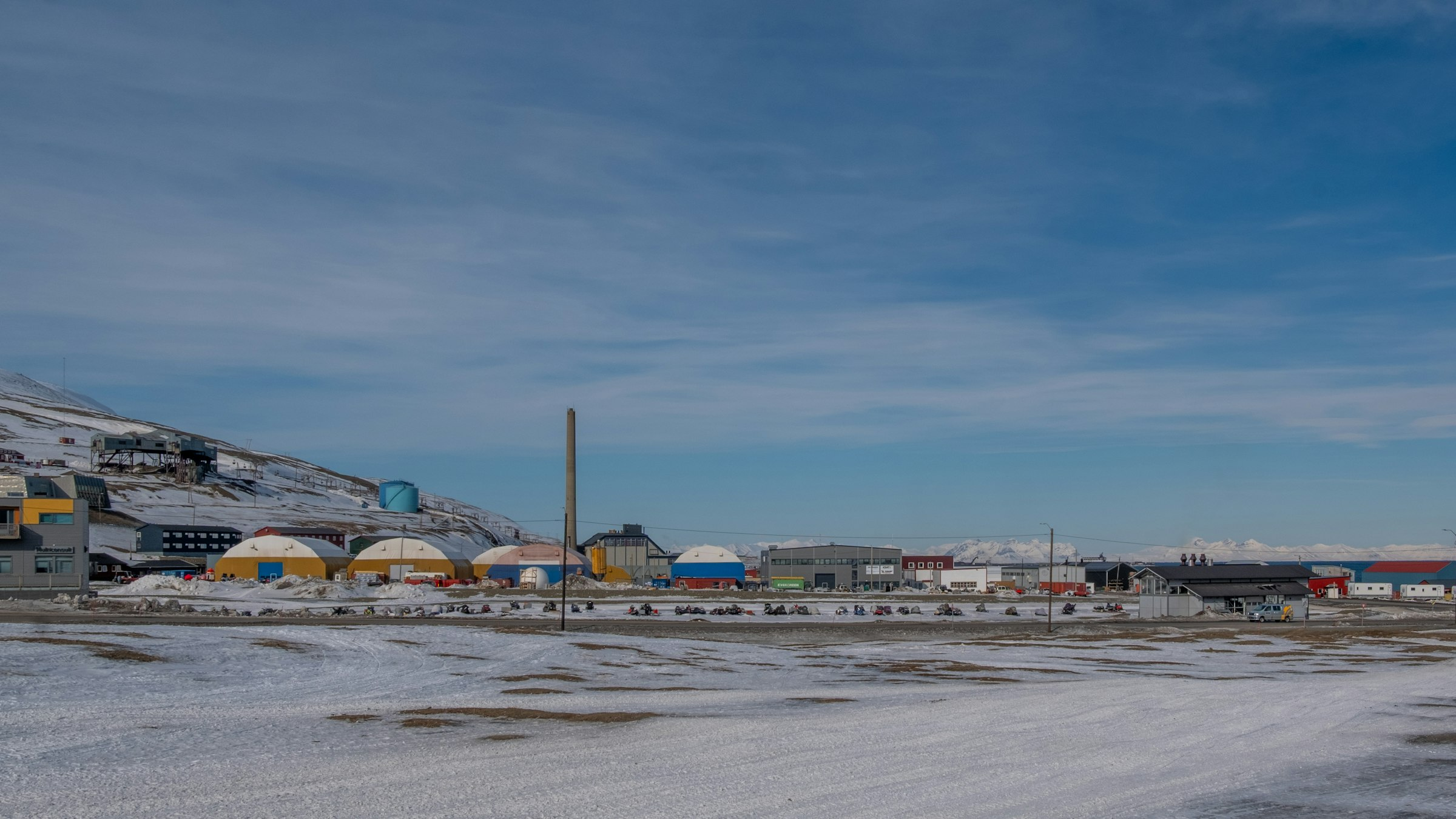
VivoPower has started mobilising work for the conversion of its Mo i Rana facility in northern Norway into a data centre, with 40MW identified as the first phase. Local contractor Øijord & Aanes Entreprenørforretning is engaged for a programme including demolition, enabling works and the main building superstructure. VivoPower says those packages precede the specialist mechanical and electrical installation needed to turn the property into operating computing infrastructure.
The company’s announcement identifies a preferred AI tenant but does not name it or disclose a concluded lease. That distinction is important for assessing the commercial status of the development. A preferred counterparty can influence layout, power density and equipment specifications, yet revenue certainty depends on a binding agreement, fit-out obligations, acceptance requirements and when usable capacity can actually be delivered. The company has not established those points publicly in the October update.
Mo i Rana has a long industrial history and proximity to significant Norwegian energy infrastructure. It is nevertheless necessary to distinguish an industrial site's nominal electrical characteristics from a data centre's contracted, resilient power supply. A first-phase 40MW figure is the developer's target and should not be presented as operating IT load. Switchgear, transformers, emergency power arrangements and utility arrangements need to be designed around both maximum demand and the conditions under which an interruption may occur.
The initial structural and enabling contracts are narrower than a turnkey data centre construction award. A data hall requires separate cooling distribution, electrical distribution, controls, fire and life safety systems, network connections and commissioning. VivoPower says it has reviewed tenders from international specialist engineering, procurement and construction suppliers for later fit-out. The difference between a selected civil contractor and a complete integrated delivery team affects the confidence that can be placed in any indicative opening date.
AI hardware introduces additional design choices. Racks can concentrate heat in smaller areas than conventional server rooms, which creates a stronger case for direct liquid cooling and dedicated facility-side thermal loops. Decisions about water treatment, coolant distribution, leak management and service access must be settled early enough to avoid rework once the power and computing systems are installed. No specific cooling solution or contracted temperature regime was disclosed in the announcement.
VivoPower is also exploring reuse of waste heat. Such an arrangement would need a nearby thermal customer, an agreed delivery profile and potentially heat pumps or distribution equipment to make the output useful. Data centre heat production varies with the server load, while the heat demand of industrial or municipal users varies through the day and year. Without an identified heat buyer and connection scheme, the proposal remains an option rather than a commissioned low-carbon benefit.
The decision to involve local contractors in the early works gives the project a defined regional delivery component, but it does not establish the final construction workforce or total local expenditure. Specialist mechanical and electrical installers may come from outside the area. Data centre projects frequently need both local civil expertise and suppliers of highly specified cooling and electrical equipment. Reporting on employment benefits should therefore be limited to the roles and contracts the developer has actually disclosed, rather than applying a standard multiplier to the 40MW target.
The eventual tenancy terms will shape the technical design. A customer focused on training may need a different networking and heat-density profile from one supplying inference services. If the preferred tenant's fleet changes before commissioning, the site may have to revisit rack layouts, transformer allocations or coolant distribution. For this reason, engineering contracts and final leases are closely linked decisions. Publicly naming a preferred tenant without specifying the planned workloads is insufficient to resolve these interfaces.
The conversion route may shorten some land development stages, but operational acceptance still needs to demonstrate fault response. Integrated systems tests should cover loss of an incoming feeder, operation of emergency supplies, cooling failure alarms, controls failover and maintenance isolation. Such testing cannot be inferred from mobilisation of a building contractor. A clear commissioning sequence and availability commitment would provide a more reliable indication of when the first phase becomes a usable data centre.
The next milestones are a final tenant agreement, completed building works, specialist mechanical and electrical contract awards, operational testing and grid energisation. The October mobilisation confirms physical progress at the conversion site. It does not yet establish when the 40MW phase will be fully fitted out, accepted by a customer or available for continuous service.

