
Summary
- NTT Data and Engie have agreed a framework covering renewable procurement, electricity supply, and integrated energy solutions.
- A UK corporate PPA will supply NTT facilities from a 24MW South Wales wind farm until September 2030.
- Working agreements in Germany and the Netherlands contain no disclosed volumes, assets, or contract terms.
NTT Data and Engie have established a multinational energy partnership covering renewable procurement, electricity supply, and integrated power solutions for data centre operations in the UK, Germany, and the Netherlands.
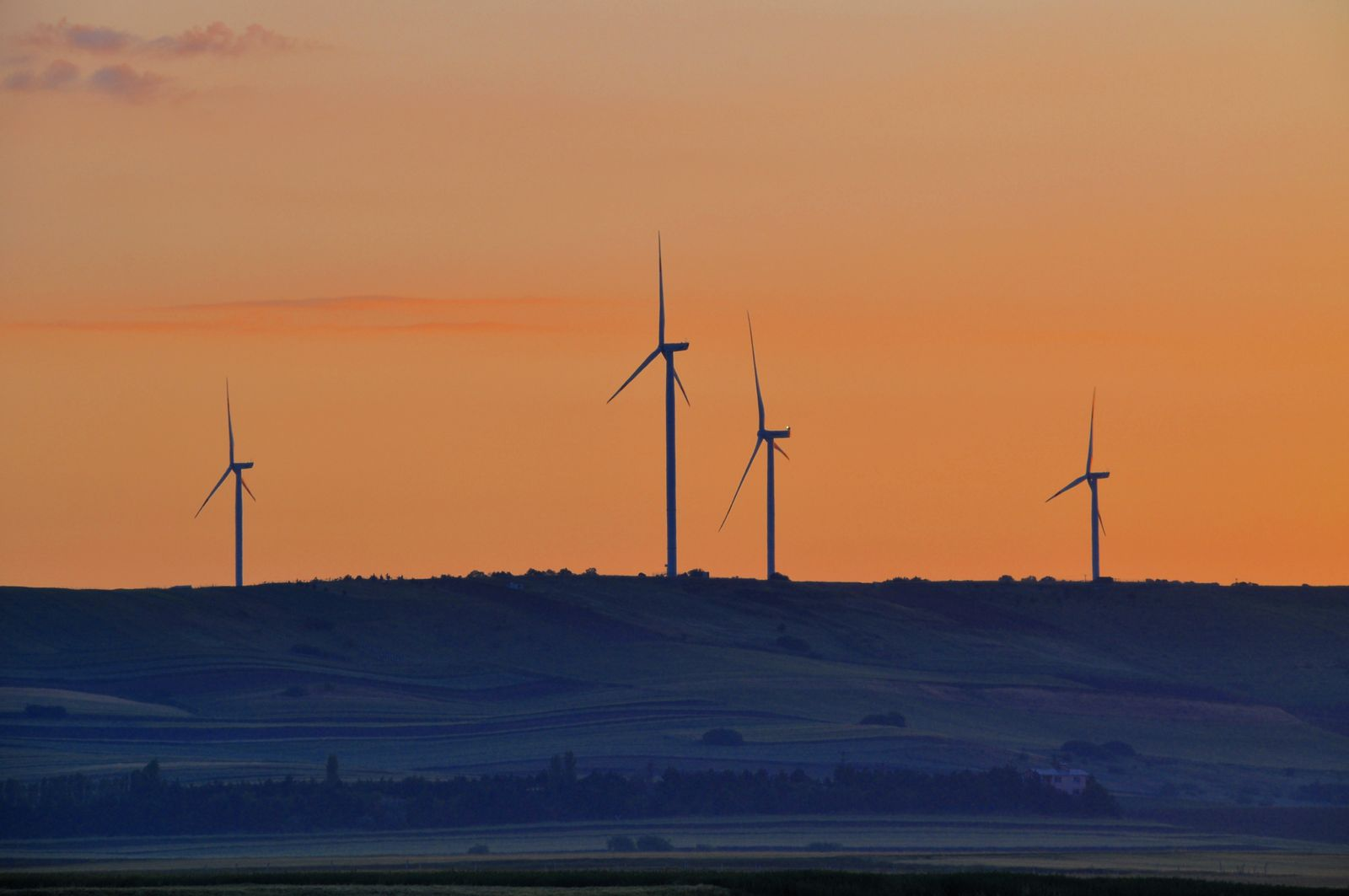
The first disclosed transaction is a UK corporate power purchase agreement supplied from an operating 24MW wind farm in South Wales. The contract will serve NTT Data’s UK facilities until September 2030 and has been described as compatible with the RE100 renewable-electricity framework.
Working agreements have also been signed for Germany and the Netherlands, although the companies have not identified the generation assets, electricity volumes, contract lengths, or individual data centres covered in those markets.
The framework reaches beyond a single PPA
The partnership gives NTT Data a structure through which it can procure renewable electricity and examine additional energy services across several core European markets. Depending on later agreements, those services could include sleeved PPAs, certificates, storage, demand response, on-site generation, or energy management, although none has been confirmed beyond the South Wales contract.
NTT operates a large European colocation estate, with substantial capacity in London and Germany and a 20.7MW presence in Amsterdam. Its global portfolio extends across more than 160 facilities in over 20 countries and supports more than 2,000MW of IT load.
Portfolio procurement can provide purchasing scale and allow contracts to be aligned with capacity plans across several markets. Its financial effect depends on the PPA structure, settlement terms, price indexation, and the relationship between generator output and the data centre’s demand.
A 24MW wind farm does not deliver a continuous 24MW supply. Output varies with weather, whereas an operating data centre carries a comparatively stable load, so the agreement relies on the wider electricity system to balance generation and consumption.
The companies have not disclosed the annual contracted volume or the share of NTT Data’s UK consumption covered by the arrangement. Generator nameplate capacity, expected production, contracted electricity, and facility demand are separate measures and cannot be treated as equivalent.
The September 2030 end date is also short compared with the operating life of a data centre. NTT Data will need replacement or extended procurement beyond that point if it intends to maintain renewable matching across the same facilities.
Energy contracts cannot create local grid capacity
Renewable procurement can reduce exposure to wholesale prices and market-based emissions, but it does not resolve the physical connection limits at an individual site. Each facility still requires firm network capacity, substations, transformers, protection, backup power, and an agreed energisation programme.
That separation is especially relevant in London, Frankfurt, and Amsterdam, where congestion can delay new data centre capacity. A PPA may improve the energy profile of an operating estate while the next building remains dependent on network reinforcement.
Germany and the Netherlands will test whether the framework can adapt to different market rules, grid charges, certificate systems, and corporate-PPA structures. The commercial value of the partnership will depend on the detailed agreements reached in each country.
Engie could also support a broader mix of energy assets as the relationship develops. Data centre operators increasingly examine batteries, flexibility, on-site generation, and heat recovery alongside conventional supply, although each option must be reconciled with uptime commitments and local regulation.
Customer reporting is placing additional pressure on procurement systems. Colocation and cloud buyers increasingly request energy and carbon data linked to their contracted capacity, requiring operators to allocate consumption and environmental attributes without double counting.
Hourly matching may become more prominent as annual renewable claims receive greater scrutiny. A portfolio can procure enough renewable electricity across a year while still relying on higher-carbon grid supply during periods of low wind or solar output.
The South Wales agreement gives the partnership an operating asset and a defined initial term. Further disclosures from Germany and the Netherlands will need to show the power volumes involved, the treatment of intermittency, the facilities covered, and the relationship between procurement and physical expansion.

