
Summary
- NTT DATA and ENGIE have established a multinational framework for power supply, renewable procurement, and integrated energy services.
- Agreements are in place in the UK, Germany, and the Netherlands, although most contracted volumes remain undisclosed.
- The structure aligns energy procurement across three European data centre markets with different grid and pricing conditions.
NTT DATA and ENGIE have created a multinational energy framework covering the operator’s data centre portfolio in Britain, Germany, and the Netherlands.
Agreements have already been signed in all three countries, spanning electricity supply, renewable-energy procurement, and the potential deployment of integrated energy systems. The companies have not disclosed the combined contracted volume, financial terms, participating sites, or the proportion of NTT DATA’s consumption covered.
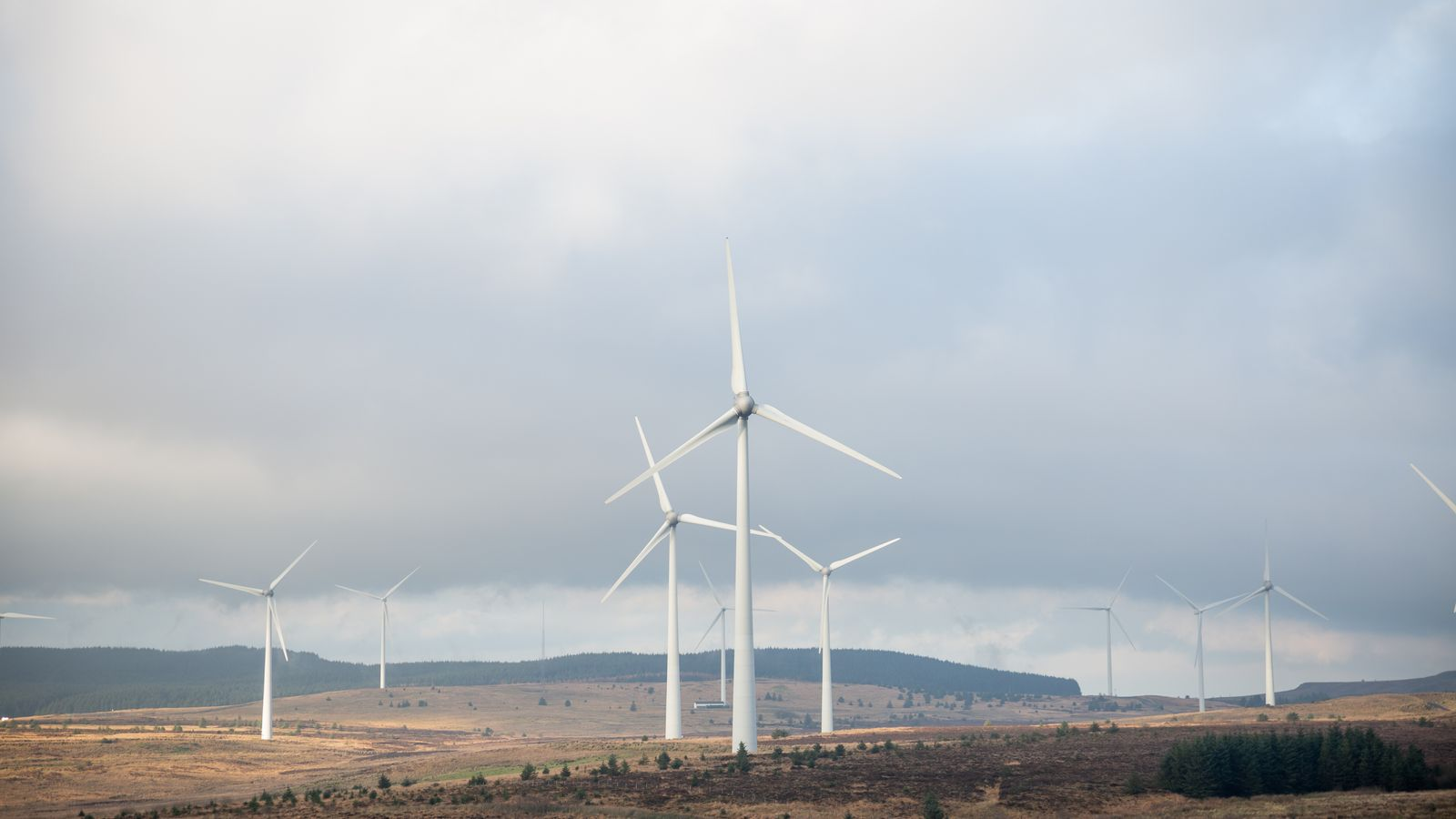
In Britain, the arrangement includes a corporate power purchase agreement and associated supply contract drawing from an operational 24MW wind farm in South Wales. The project is described as compatible with RE100 requirements and will serve NTT DATA’s UK data centres until September 2030.
One framework, three power markets
The framework agreement gives the companies a common commercial structure while leaving scope for contracts to reflect national market conditions. Britain, Germany, and the Netherlands all support substantial data centre estates, but they differ in wholesale pricing, renewable generation, network regulation, and the availability of new grid connections.
NTT DATA can use a portfolio arrangement to reduce the time spent creating separate supplier relationships for each facility, while ENGIE gains visibility across a larger and potentially expanding electricity load. That does not make the physical constraints interchangeable. A procurement contract can alter the source, price, and emissions profile of electricity, but it cannot accelerate a substation or create import capacity where the network is congested.
The UK wind agreement also needs to be read against the operating profile of a data centre. A 24MW wind farm will produce below its nameplate rating for much of the year, and its hourly output will not correspond with a facility load that runs continuously. Balancing arrangements and residual supply will cover the difference, although the companies have not published those contractual details.
The end date of September 2030 gives NTT DATA a defined procurement horizon rather than a permanent solution. Facility loads may change substantially before then as existing halls fill, new capacity opens, and higher-density computing is installed. The operator will need to renew, replace, or restructure the supply after the contract expires.
German data centres operate within a market where power availability and energy efficiency have become increasingly prominent in planning and commercial decisions. In the Netherlands, restrictions and regional network congestion have made the location and phasing of new capacity more difficult. A common energy partner can support procurement across both countries, but connection agreements and construction programmes will remain local.
Procurement joins the capacity plan
Operators can no longer wait until a building is nearing completion before deciding how it will be supplied. Electricity strategy now sits alongside land, planning, design, and customer commitments because the scale and operating profile of future demand influence both commercial contracts and network requirements.
A campus developed initially for conventional colocation may need a different supply arrangement once high-density AI clusters are added. The increase is not limited to server demand: pumps, cooling distribution, heat-rejection plant, and electrical losses also rise, while load can arrive faster than under a traditional cabinet-by-cabinet sales model.
ENGIE’s reference to integrated energy solutions leaves room for storage, onsite generation, flexibility, or energy-management systems, although no specific deployment has been confirmed. Battery storage could assist with peak management, transition events, or participation in particular grid services, but it would not replace the standby power required to maintain critical load through an extended outage.
Demand response also has practical limits. Some computing tasks can be moved in time or between regions, while network, storage, and customer-facing loads may offer little flexibility. Any operating arrangement must distinguish between demand that can genuinely be reduced and critical infrastructure that must remain available.
Long-term procurement can support the financing of renewable generation and improve price visibility, yet annual matching does not show whether a facility is using low-carbon electricity during each hour of operation. The absence of disclosed volumes and balancing arrangements prevents a detailed assessment of the emissions outcome across the three markets.
The agreement nevertheless shows energy procurement moving from a collection of local utility contracts towards a portfolio discipline. NTT DATA gains a repeatable framework that can follow its European estate, while ENGIE can combine supply and energy services around a large industrial load.
Further disclosure on contracted volumes, facility coverage, price structure, and the integrated systems planned in Germany and the Netherlands would allow the framework to be compared with other large data centre power agreements. Until then, the UK wind contract provides the clearest physical element of a partnership whose wider scale remains commercially confidential.

