
Summary
- The second HAM002 construction phase will add 3.2MW in Ahrensburg, north-east of Hamburg.
- AtlasEdge plans four phases totalling 20MW across approximately 10,000 sq m.
- The operator has not disclosed the cooling design, investment, customers, or remaining delivery programme.
AtlasEdge has started the second expansion phase of its HAM002 data centre in Ahrensburg, north-east of Hamburg, adding 3.2MW to a campus planned to reach 20MW.
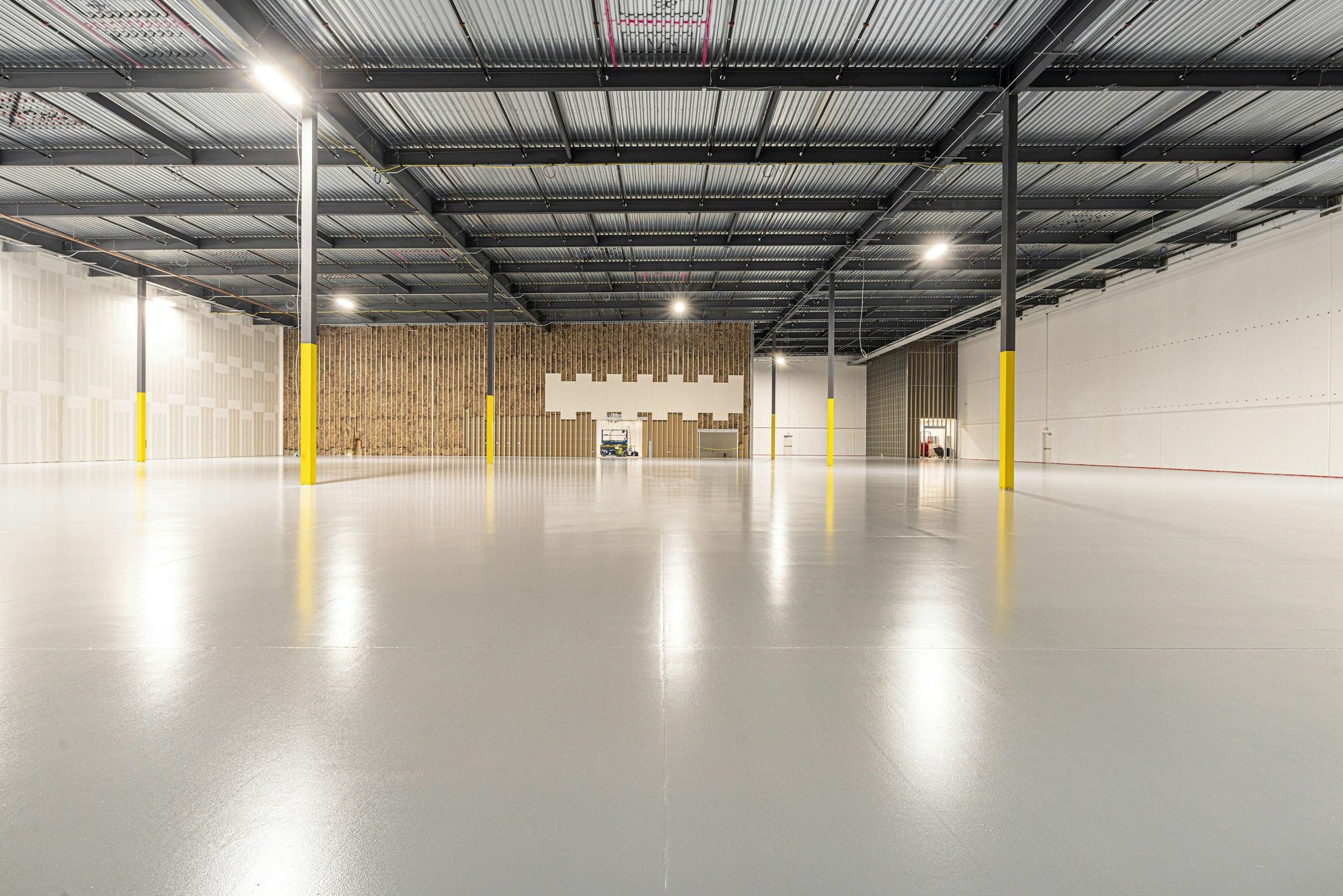
The work is the second of four intended construction phases. On full build-out, HAM002 is expected to provide approximately 10,000 sq m of data centre space.
The first phase provides 4.4MW across about 3,500 sq m and was developed under DatacenterOne, the German colocation business acquired by AtlasEdge in 2022.
Specialist reporting said the existing capacity is almost fully leased and that the current expansion is expected to become operational in the second quarter of 2027.
AtlasEdge has not disclosed the investment, customer names, design density, cooling system, source of electricity, or timetable for the third and fourth phases.
Phased construction limits upfront exposure
Delivering the campus in four stages allows AtlasEdge to align construction spending more closely with customer demand. Each phase can be marketed and fitted out before the operator commits the full capital required for 20MW.
The structure is common in regional colocation markets where demand may come from several enterprise, cloud, carrier, and content customers rather than a single hyperscale tenant.
Phasing does not reduce the need for a coherent site-wide engineering plan. Electrical distribution, cooling, fire protection, controls, security, and network routes must support the eventual campus while allowing individual halls to operate independently.
Construction also takes place beside live customer environments. The boundary between operating and development areas must prevent dust, vibration, water, testing activity, or electrical work from affecting existing services.
Commissioning is particularly important when new switchgear, generators, and cooling plant connect to shared infrastructure. Test procedures must demonstrate that faults or control errors in the new phase cannot propagate into the occupied facility.
AtlasEdge has not said whether the complete 20MW utility capacity is already secured or whether later stages depend on further network work. That distinction will influence the timing and certainty of the remaining phases.
Regional capacity outside Frankfurt
Frankfurt remains Germany’s largest data centre market, supported by connectivity, financial-services demand, and a large established operator base. Hamburg provides a smaller regional location serving northern Germany’s commercial, industrial, media, logistics, and port economy.
Regional data centres can host workloads requiring local presence or lower latency without placing every system in Frankfurt. They can also provide geographic separation for disaster recovery and business continuity.
HAM002 sits alongside AtlasEdge’s HAM001 facility. HAM001 offers 4MVA across approximately 2,600 sq m, giving the operator an existing operational footprint in the Hamburg market.
The company operates eight data centres in Germany and has facilities across 14 European locations. AtlasEdge was established in 2021 as a joint venture between Liberty Global and DigitalBridge.
The Hamburg project fits its strategy of building capacity closer to regional users and network aggregation points. The 3.2MW expansion is modest relative to hyperscale campuses but potentially better matched to a diversified colocation customer base.
The design will still need to accommodate changing equipment requirements. AI inference and other dense computing workloads are moving into regional facilities, increasing demand for higher electrical density and liquid-cooling support.
AtlasEdge has not stated whether the expansion includes liquid cooling or what rack densities it can support. Decisions made during the earlier phases could restrict later modifications if common electrical and mechanical systems were designed around conventional loads.
The next evidence will come from completion of the second phase, customer commitments, and disclosure of the remaining programme. Until then, HAM002 is a tangible expansion project whose full 20MW delivery remains dependent on later investment and demand.

