
Summary
- Blackfuel is deploying multi-megawatt AI inference infrastructure at Digital Realty BCN1.
- The deployment uses liquid-cooled Dell systems and AMD accelerators.
- The project combines compute density with private interconnection intended to move inference closer to enterprise data.
Blackfuel is deploying a multi-megawatt AI inference platform at Digital Realty’s BCN1 data centre in Barcelona, bringing liquid-cooled accelerator infrastructure into one of southern Europe’s growing digital infrastructure markets.
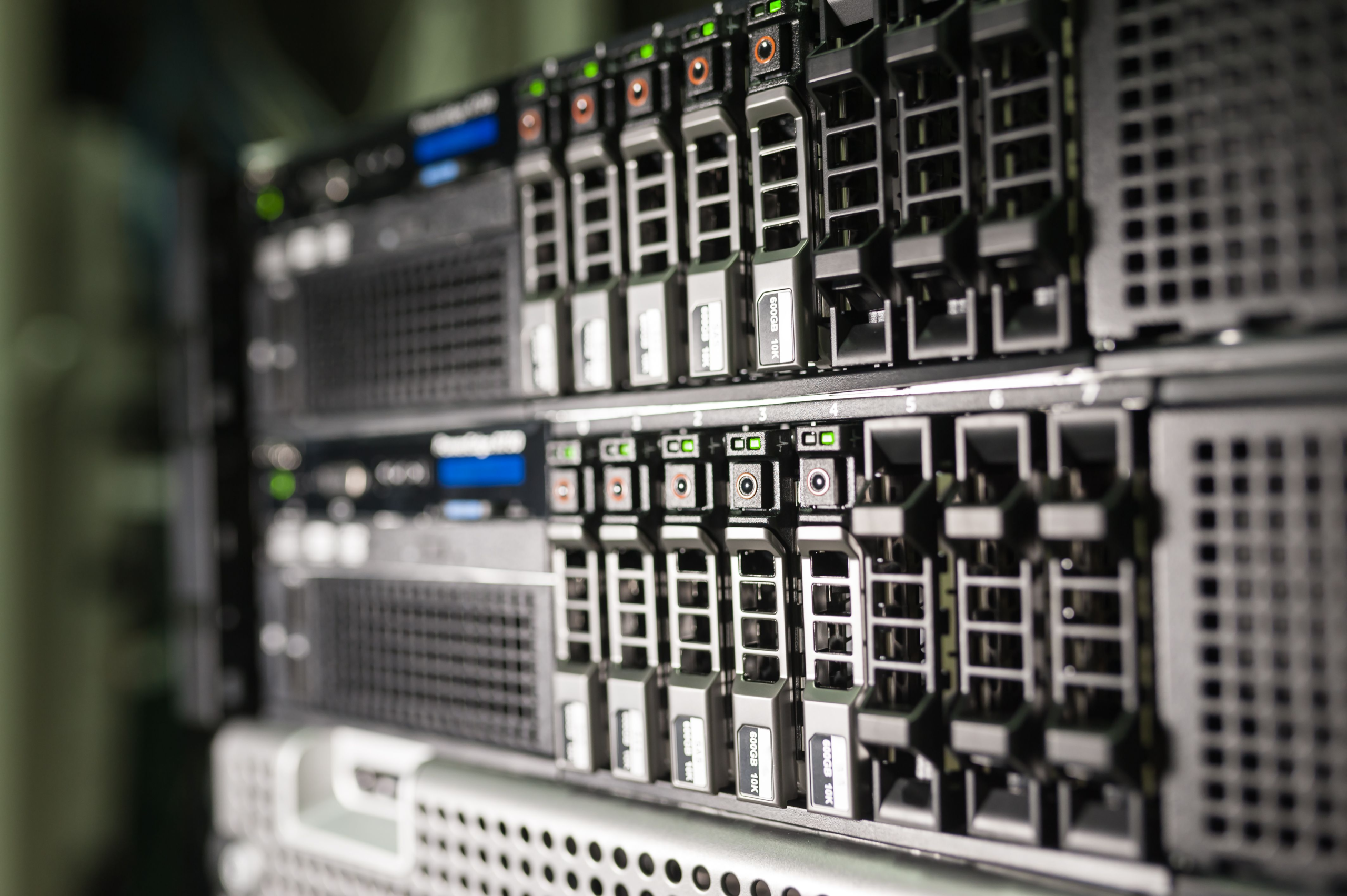
Digital Realty said the deployment will use liquid-cooled Dell Technologies AI Factory infrastructure and AMD GPUs, with connectivity provided through its ServiceFabric interconnection platform.
The project is aimed at inference rather than model training, a distinction that has direct consequences for where infrastructure is located. Training clusters can often tolerate greater distance from end users, provided sufficient power and networking are available. Inference increasingly needs to sit closer to applications, enterprise data, and users where latency and data movement affect service performance.
Barcelona therefore gives the deployment a different infrastructure profile from the very large remote AI campuses being proposed in power-rich markets. The facility needs to support high-density compute and liquid cooling while remaining embedded in a connectivity ecosystem close to enterprise customers.
Inference changes the location equation
Blackfuel’s platform will connect into Digital Realty’s wider network fabric, allowing customers to access dedicated compute capacity through private connectivity rather than moving all traffic across the public internet.
That model puts networking alongside power and cooling as part of the performance equation. A high-density GPU rack may provide the compute, but inference applications can still be constrained by the path between the user, the model, and the data required to generate a response.
Digital Realty argues that reducing network latency can shorten time-to-first-token and improve the completion time of workflows that make repeated inference calls. The exact application-level gain will vary by workload, but the architecture reflects a wider shift towards distributing AI capacity across interconnected regional facilities rather than concentrating every workload in the largest training campuses.
The cooling requirement is equally significant. As accelerator densities increase, conventional air cooling becomes more difficult to apply efficiently at rack level. Liquid-cooled infrastructure allows more heat to be removed directly from high-power components and is increasingly appearing in both new facilities and retrofits.
Barcelona gains another high-density workload
Spain has attracted a growing pipeline of data centre projects as operators look beyond the traditional FLAP-D hubs. Madrid has taken much of the attention, but Barcelona combines regional enterprise demand, subsea and terrestrial connectivity, and access to a large economic centre.
The Blackfuel deployment is not equivalent to the construction of a new hyperscale campus, but it illustrates another part of the market: existing colocation facilities being adapted for denser AI infrastructure.
That route can bring capacity to market faster than a greenfield build where the host data centre already has power, cooling capability, and network access. The trade-off is that established facilities were not always designed around the rack densities now associated with accelerators, making mechanical and electrical upgrades increasingly important.
Digital Realty operates more than 300 facilities globally and is using its interconnection platform to link AI infrastructure with enterprise environments across that estate. Blackfuel has described Barcelona as the first step in a broader expansion.
The engineering challenge will be whether the model can scale while maintaining the power density, cooling performance, and network characteristics required by inference customers. In Barcelona, that test starts inside an existing connected data centre rather than on an empty hyperscale development site.

