
Summary
- The proposed Charlton Gateway data centre has been reported at roughly 180MW, while project material lists 182MVA of site power capacity.
- The scheme includes a new substation, backup generation, dry cooling, and provision for potential heat reuse.
- Construction could begin in 2027 or 2028, with the project targeting delivery by 2029 if planning and infrastructure approvals are secured.
Early plans have advanced for a large data centre at Charlton Gateway in east London, adding another substantial proposed electrical load to a capital already facing pressure on grid capacity.
GLi Charlton Riverside is progressing proposals for a data centre, electrical substation, and associated development at the Charlton Gateway site.
Current scoping material has been reported as describing a roughly 180MW data centre development across about 70,325 sq m, while project partner KSP lists 182MVA of power capacity on site. Those figures use different electrical units and should not be treated as directly interchangeable.
The current submission seeks a scoping opinion ahead of the detailed environmental assessment and planning process rather than representing final construction consent.
Project documents indicate an overall investment of about $1.4bn and say the site has a confirmed power connection, access to high-speed fibre, and proximity to London’s financial markets.
If the planning process and enabling works progress as intended, construction could begin during 2027 or 2028. The project website points to delivery by 2029.
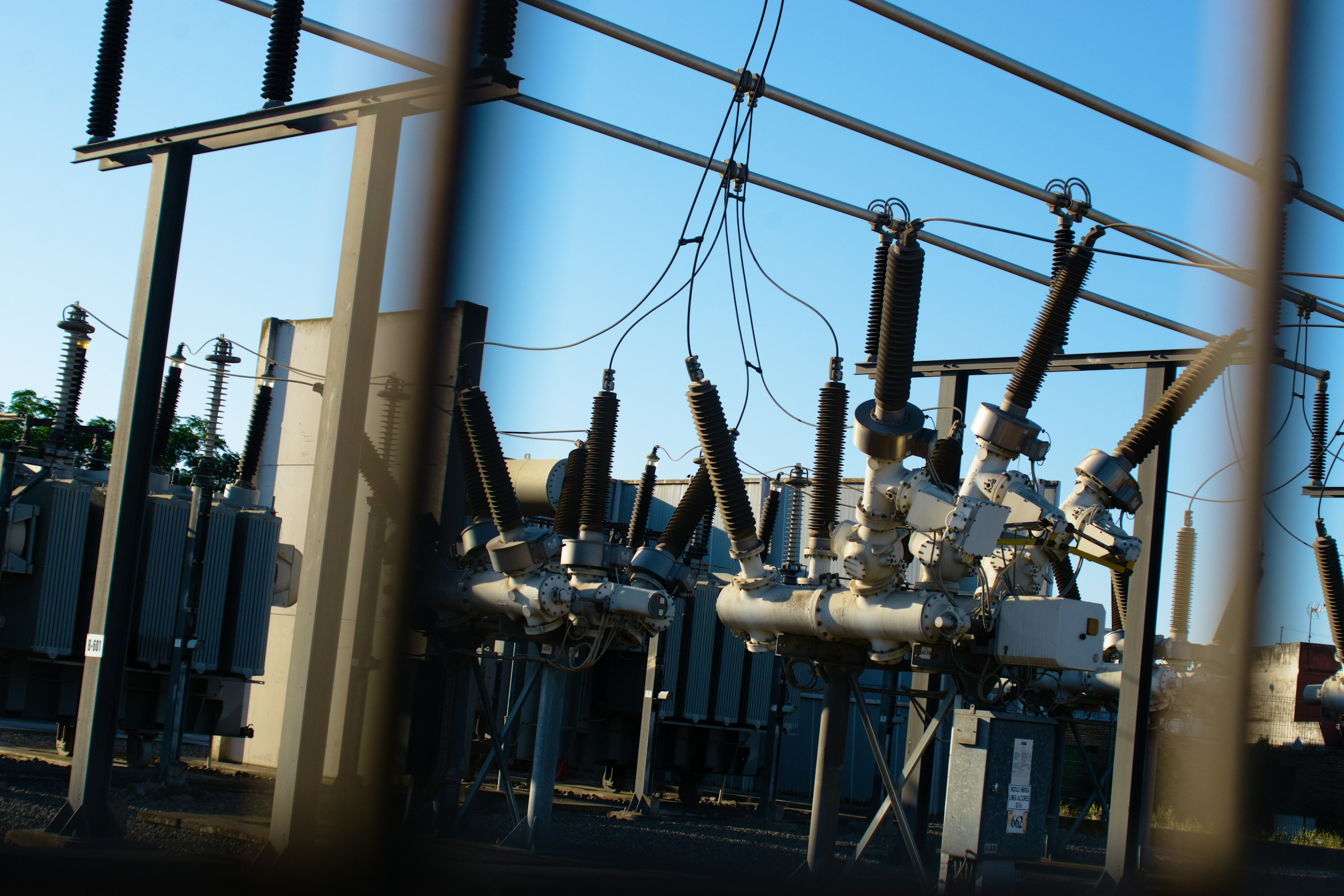
The development would require substantial supporting infrastructure. GLi’s plans include a new substation and backup generators, placing the project firmly within the electrical-infrastructure challenge accompanying London’s continuing data centre growth.
The cooling strategy is also notable. The project proposes dry cooling rather than continuous reliance on local water supplies, with a finite volume of water retained and reused within the system.
That design choice reflects the increasing overlap between cooling engineering and planning scrutiny. Large data centres need to reject substantial quantities of heat, but water-intensive systems can face additional constraints in areas where municipal supply, drought resilience, or environmental impact are concerns.
GLi is also examining whether waste heat from the facility could support a lower-carbon district-heating scheme. As with other data centre heat-reuse proposals, practical delivery would depend on the temperature available, nearby demand, pipe infrastructure, and the economics of transporting and upgrading the heat.
The Charlton scheme sits roughly 100 metres from the nearest existing residential buildings, making noise, visual impact, backup generation, and construction traffic likely to feature alongside energy and sustainability issues as planning progresses.
Its electrical requirement also arrives against a wider London power backdrop. DataCentral recently reported that five Hertfordshire data centres are driving a planned 1GW National Grid upgrade involving new substations, cable work, and transmission reinforcement.
London remains one of Europe’s most important data centre markets because of its financial sector, fibre density, cloud availability, and connectivity ecosystem. Those advantages continue to support demand, but they do not create new electrical capacity by themselves.
As larger campuses are proposed, the ability to secure a credible connection date has become a major dividing line between sites that can move through development and sites that remain speculative.
That puts more attention on the distinction between allocated or contracted power and infrastructure that is physically ready to energise a completed building. Substations, transmission reinforcement, local distribution works, and long-lead electrical equipment can still determine the final delivery schedule after a connection position has been secured.
Charlton Gateway combines several of the pressures now shaping London development: a large individual load, dense urban surroundings, cooling and water considerations, potential heat reuse, and dependence on substantial electrical infrastructure.
The next stages of the planning process will determine how those elements are assessed in detail. Until then, the proposal represents a sizeable potential addition to London’s pipeline, but one that still has to move from development documentation to consent, construction, connection, and commissioning.

