
Summary
- DataVita's updated project information confirms grid supply is the basis for its proposed Lanarkshire data centres.
- Earlier plans described more than 1GW of wind and solar generation with battery storage and private-wire connections.
- Direct renewable connections remain prospective, while the developer maintains its renewable electricity commitment.
DataVita has clarified that its proposed Lanarkshire AI data centres will use electricity supplied through the public grid, separating their operating power arrangements from renewable generation projects that could connect directly in the future.
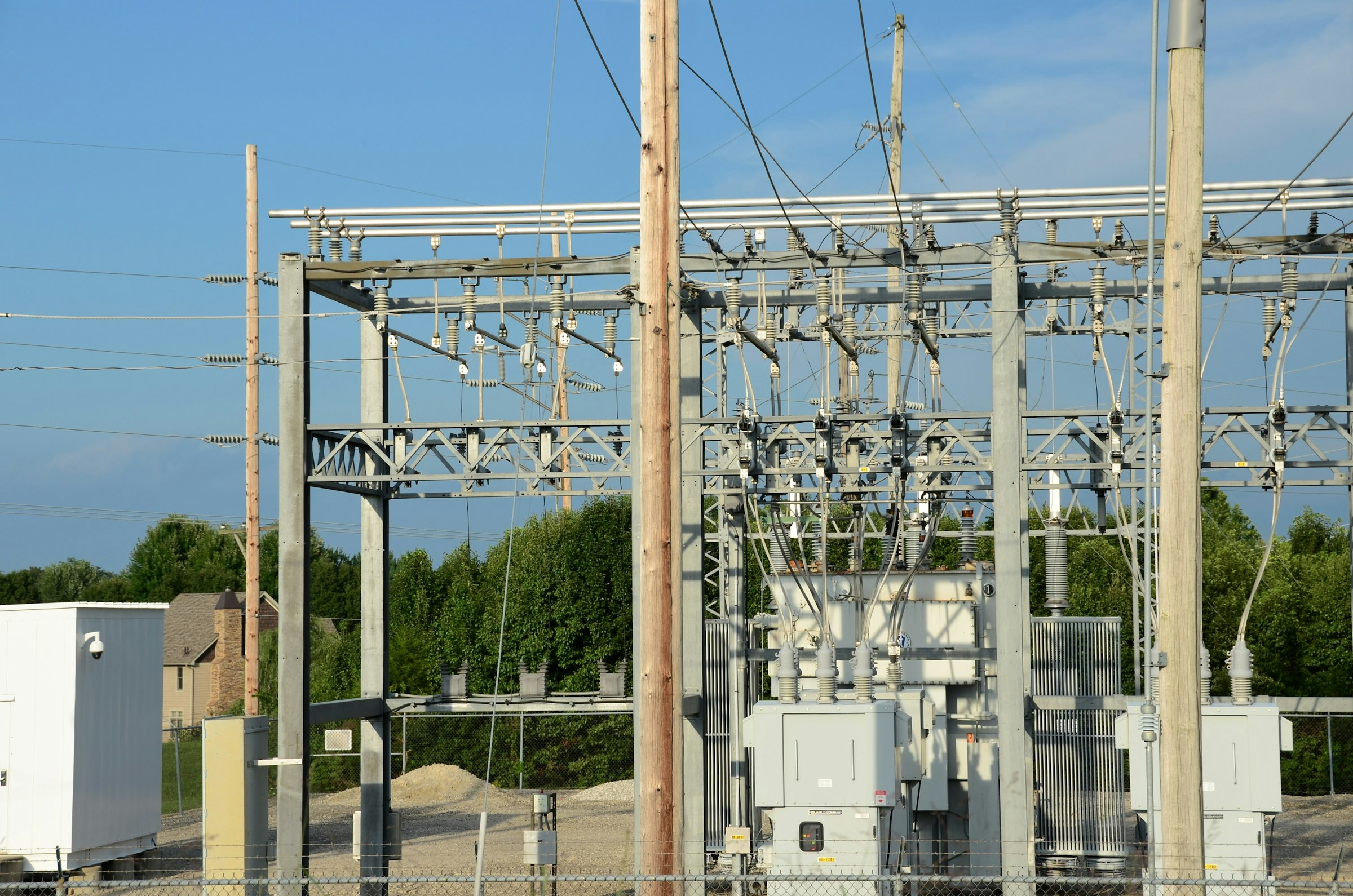
The Scottish developer’s updated project information states that its planned computing facilities are designed to be grid supplied and do not depend on any individual generating asset.
DataVita is developing the Lanarkshire AI Growth Zone in North Lanarkshire, a programme associated with more than £8.2bn of proposed investment and up to 500MW of data centre capacity.
When the development was presented earlier in 2026, its energy strategy included more than 1GW of proposed wind and solar generation, supported by battery storage, with direct private-wire connections intended to supply the computing facilities.
The company initially described an arrangement in which renewable generation would supply electricity to the campus directly, reducing dependence on the conventional network while potentially exporting surplus generation.
DataVita’s revised November project information describes a different immediate arrangement. The data centres are intended to use grid connections, while nearby renewable generation proposals will be developed separately and could supply the facilities directly at a later stage.
The layout and generating capacity of those proposed energy projects remain subject to their own development work, environmental assessments, consultation, and planning applications.
DataVita maintains that its commitment to renewable electricity has not changed. In comments reported by The Guardian, the developer said it intended to obtain renewable electricity through a power purchase agreement while the data centres remained connected to the grid.
The existence of a proposed renewable procurement arrangement should not be confused with a completed direct electrical connection or a verified hourly match between renewable generation and computing demand.
A power purchase agreement is a commercial arrangement governing electricity procurement. Depending on its structure, it may support renewable generation while the customer continues receiving electricity through the transmission and distribution system.
A private-wire connection is different. It provides a dedicated physical connection between a generating installation and a consumer, potentially allowing electricity to be supplied without travelling through the wider public network.
Grid connections and renewable generation
The clarification establishes that completion of the proposed renewable projects is not presented as a prerequisite for the data centres’ ability to receive electricity.
That does not eliminate the need to secure sufficient grid capacity. Large computing facilities require reliable electricity supplies, supporting substations and distribution infrastructure, and arrangements that can accommodate their operating demand.
DataVita says connections are planned and managed through the conventional network process. The company’s public information does not establish that every connection required for the full 500MW development has been energised.
The developer argues that Scotland’s electricity system offers advantages because of its relatively low-carbon generation mix. Its updated information cites regional electricity emissions figures and says the facilities will not use gas generation within the data centres.
Operational carbon performance will depend on actual electricity consumption, the generation mix supplying the network, and the accounting method used for renewable procurement. A renewable power purchase agreement does not, by itself, demonstrate that electricity consumed at every moment has zero operational emissions.
The revised energy description also creates a distinction between infrastructure being delivered as part of the data centre development and renewable projects that remain at an earlier stage.
Separate applications for wind, solar, and electricity storage would require their own assessment of environmental effects, land use, network arrangements, and other development considerations.
Earlier planning material associated with DataVita’s proposed DV4 facility had already identified grid supply as the basis for the development, with a potential private-wire connection remaining an additional possibility.
The November clarification therefore does not necessarily mean the underlying DV4 planning application has been redesigned. It establishes a clearer distinction between the grid-dependent computing proposal and the broader renewable generation ambitions previously presented alongside it.
DataVita is also developing other facilities within its regional programme. In August, the company secured a debt facility of approximately £300m to expand DV1 and fund construction of DV3.
That financing was supported by a £202m National Wealth Fund guarantee covering part of the lending arranged by a group of banks. The guarantee supports the financing structure and is not equivalent to a direct £202m grant.
The capacity of DV1 and DV3 has been contracted to AI infrastructure provider CoreWeave through 15-year lease arrangements. Those commitments relate to specific developments and should not be interpreted as customer contracts covering the entire proposed AI Growth Zone.
DataVita has also outlined community benefits of up to £543m over 15 years, with the larger funding commitments depending on data centre capacity becoming operational and generating revenue.
The revised project description leaves several infrastructure milestones to be assessed separately: completion of grid connections, development of the data centres, renewable electricity procurement, and any future direct connections to generating assets.
DataVita continues to describe renewable energy as a central part of its longer-term strategy. Whether the proposed generation developments ultimately supply the campus through private wires will depend on their own commercial, technical, and planning progress.

