
Summary
- Reuters reports DayOne could make its SEC filing public in mid-October and pursue a US listing as early as November.
- The operator could seek up to $5 billion at a valuation of around $20 billion, although timing and terms remain subject to change.
- DayOne operates across Asia-Pacific and Europe, including Finland and Spain, and says it has secured about 2.1GW of capacity bookings.
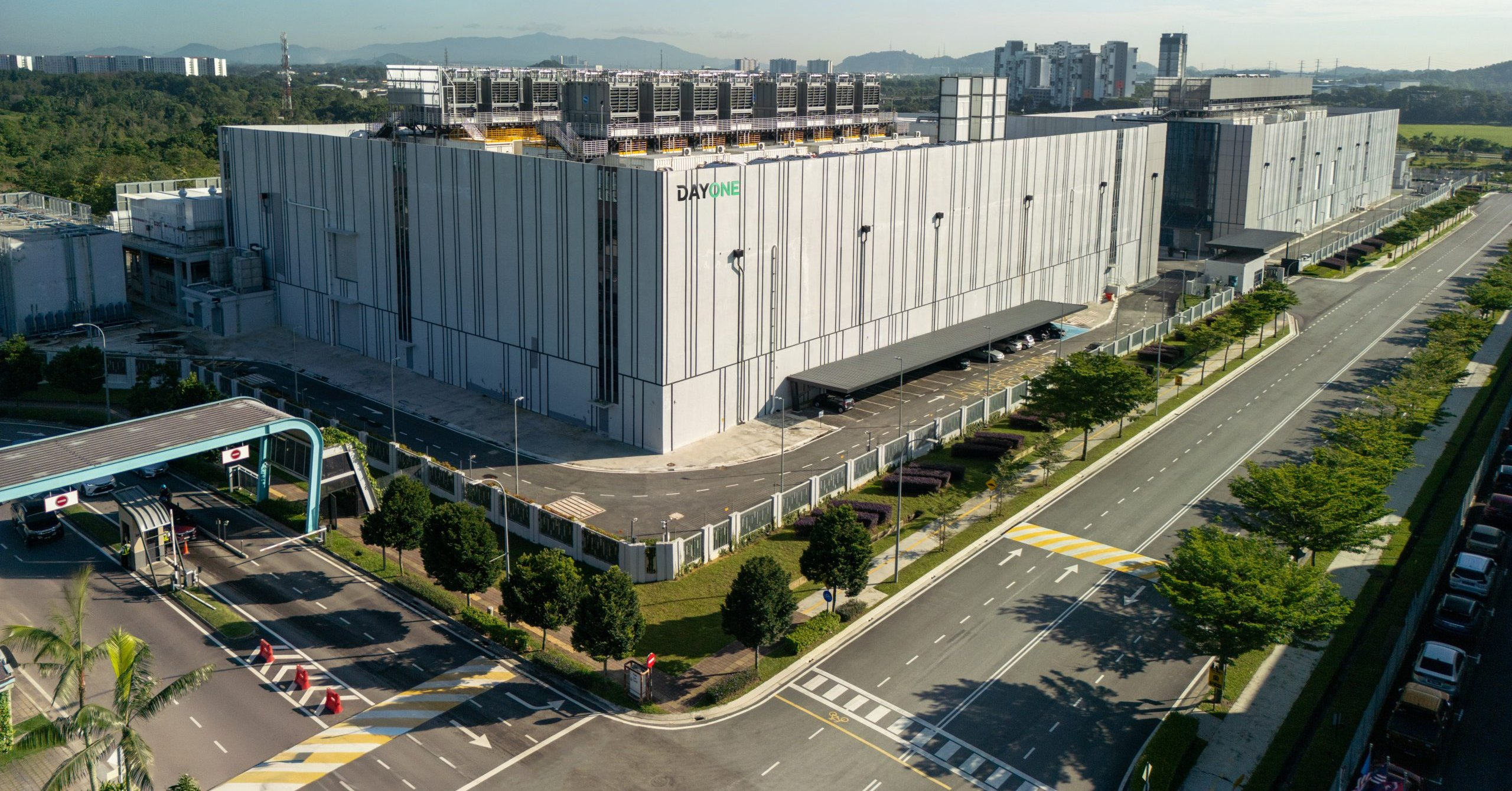
DayOne is pushing ahead with plans for a US initial public offering that could take place as early as November, despite a more selective capital market for data centre developers and other AI-infrastructure companies.
Reuters reported, citing people familiar with the plans, that the Singapore-headquartered operator is targeting a public filing with the US Securities and Exchange Commission in mid-October followed by a potential November debut.
The timing remains subject to change and DayOne declined to comment on the reported IPO plans.
Previous reporting has indicated that the operator could seek to raise as much as $5 billion at a valuation of around $20 billion. Any eventual size, pricing, and valuation would depend on the formal offering rather than the current preparatory timetable.
The planned listing follows a major private-capital expansion. DayOne entered 2026 with agreements for more than $2 billion of Series C equity financing and subsequently completed the round at $4.5 billion.
Investors look beyond announced megawatts
The market conditions around a potential DayOne listing are increasingly different from the earlier period of broad enthusiasm for almost any large AI-infrastructure pipeline.
Public-market investors are paying closer attention to how much capacity is already operating, how much has contracted customers, whether electricity has been secured, and how concentrated a developer’s revenue is around individual tenants.
Those measures distinguish an operating data centre platform from a development portfolio whose value rests mainly on future sites. Land and development rights can support a long pipeline, but they do not produce customer capacity until grid connections, substations, buildings, cooling systems, and commissioning are complete.
DayOne has some characteristics that may help it make that distinction. The company says it has secured about 2.1GW of capacity bookings and has a footprint spanning Singapore, Malaysia, Indonesia, Thailand, Hong Kong, Japan, Finland, and Spain.
Its own corporate history shows a mixture of operating facilities and long-term development. In Finland, DayOne announced a €1.2 billion investment in Lahti alongside a project in Kouvola as part of its European expansion.
That European presence gives the IPO a direct relevance beyond the Asian data centre market. New equity raised at group level would sit behind a platform whose expansion depends on continued capital deployment into sites, electricity infrastructure, construction, and technical plant across multiple jurisdictions.
Power and customer quality move into valuation
Reuters reported that investors are increasingly differentiating between operators with contracted, energised capacity and companies with projects that remain largely at the planning stage. Power availability has become part of that financial assessment because a project without a deliverable electricity connection cannot convert demand into operating revenue on schedule.
Customer diversification is another factor. Large hyperscale contracts can provide long-term revenue visibility, but excessive dependence on one customer creates concentration risk if that tenant changes its deployment plans or financing conditions.
Those questions are becoming more prominent as a broader group of data centre companies considers public listings. Switch, Vantage Data Centers, and CyrusOne have all been linked with IPO preparations or exploratory work, putting investors in a position to compare pipelines, customer structures, power arrangements, and operating track records.
DayOne’s latest private fundraising provides a substantial capital base before any listing. Its January Series C announcement said proceeds would support international expansion, including its Finnish platform, while the company’s wider funding history includes debt and green-financing facilities for large infrastructure programmes.
The planned IPO therefore sits within a capital structure already built around repeated large fundraising rounds rather than representing the company’s first access to institutional capital.
What changes in the public market is the frequency and transparency with which execution will be judged. Construction delays, grid constraints, customer concentration, project cancellations, and cost escalation can all move more quickly into valuation once shares trade publicly.
DayOne has not formally confirmed the reported November listing timetable. The next definitive milestone would be publication of its SEC filing, which would provide a more detailed view of its finances, customer exposure, development obligations, and the capital requirements behind its European and Asia-Pacific pipeline.

