
Summary
- The partnership targets an initial phase of up to 100MW from early 2028.
- Potential investment exceeding £20bn includes computing equipment and semiconductor chips.
- Planning, network agreements, an acceptable tenant, and final investment decisions remain outstanding.
Drax has entered an agreement to develop a strategic partnership with Brookfield and Radiant for a major data centre campus at its North Yorkshire power station, with potential full-project investment exceeding £20 billion.
The arrangement brings infrastructure investors and computing specialists into Drax’s existing development plans, combining proposed computing capacity with the land and electricity infrastructure associated with the power station.
The initial phase targets up to 100MW of data centre capacity, with commercial operations planned from the first quarter of 2028. Brookfield estimates that approximately £2.5 billion could be invested in the first phase.
Later development would seek to add further capacity between 2028 and 2031, followed by additional expansion beyond that period. The overall ambition is to establish a campus exceeding 1GW.
Those figures describe a proposed development programme, not capacity already contracted, connected, constructed, or commissioned.
The investment estimate exceeding £20 billion includes semiconductor chips and other computing equipment. It should therefore not be interpreted as a commitment to spend that amount exclusively on buildings, land, power systems, and associated construction.
Brookfield’s joint venture with Qatar’s Qai would provide investment backing, while Radiant, Brookfield’s UK-headquartered AI infrastructure platform, would contribute development and operating capabilities.
The partners have identified several conditions that must be satisfied before the first phase can proceed. These include planning permission, regulatory and network approvals, an acceptable tenant, negotiated commercial agreements, and final investment decisions by the participating organisations.
A community consultation is expected to begin before the formal planning process advances.
The partnership materially changes the commercial position of a project DataCentral has previously covered. In October, the publication reported the rejection of Drax’s AI Growth Zone proposal, while the separate data centre development remained under consideration.
The new arrangement introduces named investment and operating partners without resolving the project’s outstanding development requirements.
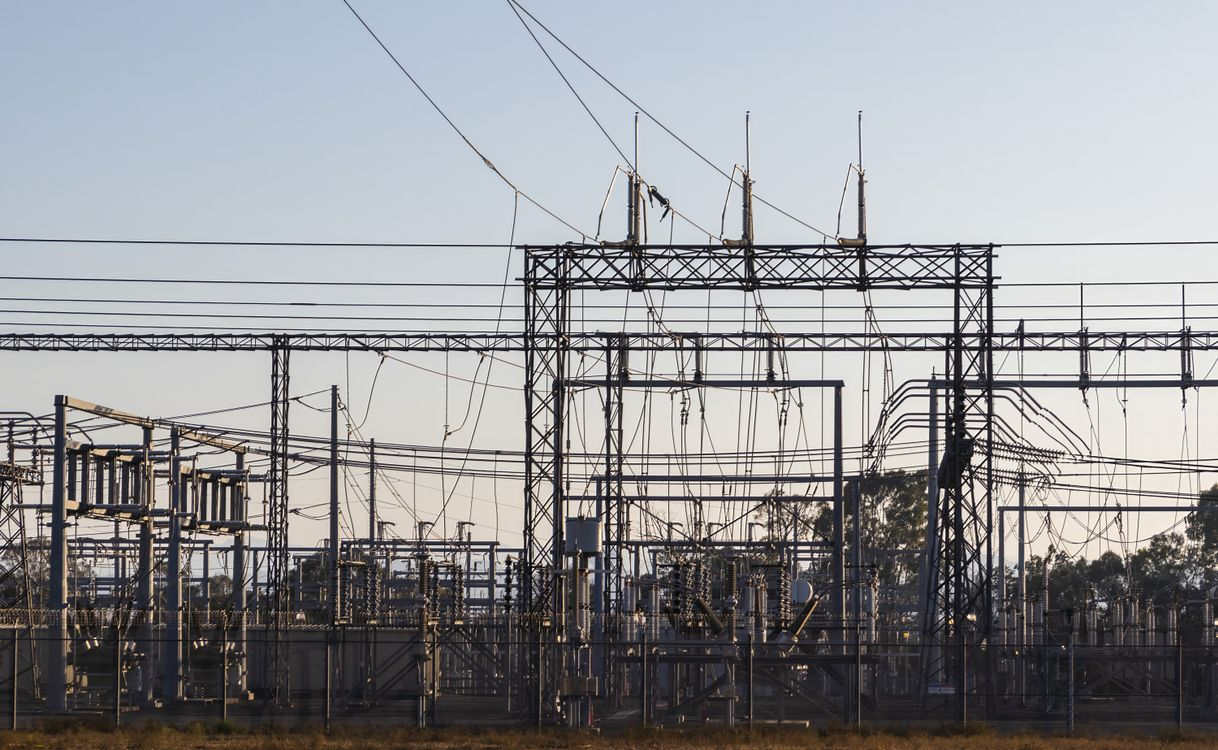
Drax identifies substantial existing infrastructure at its power station estate, including approximately 1,000 acres of land, 4GW of grid access, 2.6GW of dispatchable generation, cooling facilities, and proximity to communications networks.
Those figures describe the power station estate and its existing infrastructure. They are not equivalent to electricity capacity already reserved or approved for the proposed data centre.
The first phase would initially draw electricity directly from the grid, according to Drax’s regulatory disclosure.
That arrangement distinguishes the initial computing development from an assumption that all of its consumption would be supplied directly by the power station’s generating units.
Electricity connections serving large computing facilities require defined arrangements covering network operation, protection, system availability, and the interaction between different consumers and generators.
Locating a data centre beside substantial generation and transmission infrastructure can offer development opportunities, but existing electrical assets do not automatically establish unrestricted capacity for additional demand.
Any project must account for the operating agreements and network conditions under which the electricity system makes that capacity available.
High-density computing also introduces substantial thermal requirements. Almost all electricity consumed by servers and associated equipment eventually becomes heat that must be removed to maintain suitable operating conditions.
Existing cooling infrastructure may provide useful assets, although its suitability for a data centre depends on the eventual heat load, operating temperatures, equipment selection, and associated environmental permissions.
The project’s resilience requirements will also depend on the redundancy and availability standards agreed with customers.
A data centre may require multiple electrical distribution paths, backup arrangements, and plant configurations capable of supporting maintenance or faults without unacceptable interruption to services.
Access to a generating station does not remove those requirements. The design must establish how critical equipment is protected and maintained throughout normal and abnormal operating conditions.
The partnership sits alongside the UK government’s new Data Centre Covenant, which links potential strategic assistance to commitments covering energy, environmental standards, community benefits, employment, and security.
The partners believe the proposal aligns with the covenant’s criteria. That assessment does not constitute government approval, a formal designation, or an exemption from statutory planning requirements.
Drax and its partners also intend to establish a voluntary community benefits fund in consultation with nearby communities. The fund would sit separately from planning obligations and existing initiatives.
The electricity arrangements and environmental consequences of the full campus remain subjects for detailed assessment. DataCentral previously examined contested emissions estimates associated with the proposed development.
Any final emissions assessment will need to reflect the actual generating arrangements, electricity consumption, operating profile, and phases constructed rather than applying maximum theoretical assumptions to capacity that does not yet exist.
The partnership provides a more developed commercial framework for the North Yorkshire campus. The next determining steps are consultation, planning, network approvals, customer agreements, and investment decisions.
Those milestones will establish when, and at what scale, the proposed development can move from an infrastructure opportunity to commissioned computing capacity.

