
Summary
- Enersense has secured two Swedish high-voltage contracts from E.ON with a combined value of approximately €15m.
- The data centre-related project involves two 130kV lines, 35 steel towers, and modifications near Nässe substation.
- The Sollefteå works are scheduled for completion in March 2029, with the data centre's precise energisation sequence still to be established.
Enersense has secured contracts from E.ON Energidistribution for high-voltage electricity infrastructure in Sweden, including new power lines supporting atNorth’s proposed 300MW data centre campus at Hamre Industrial Park in Sollefteå.
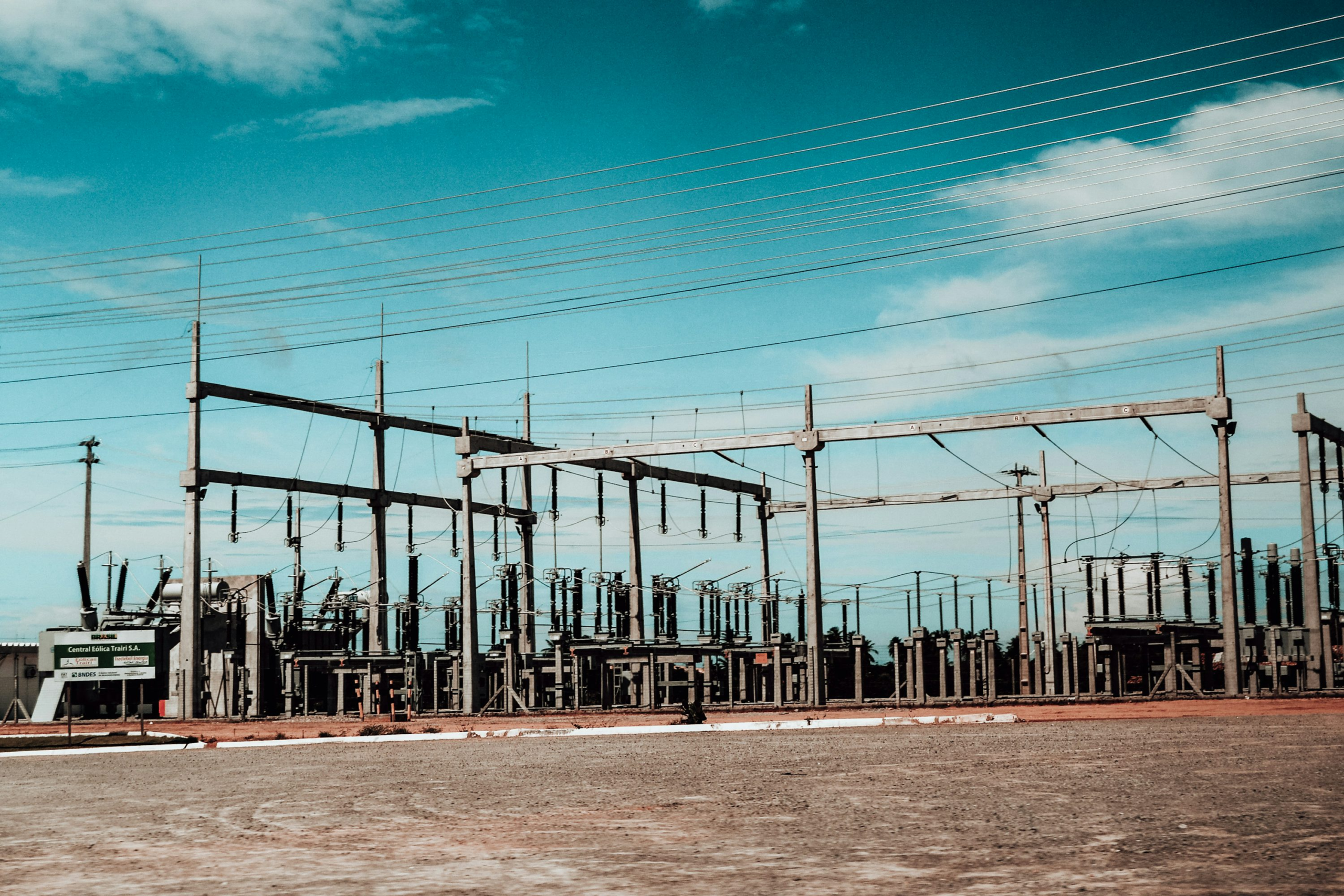
The Finnish infrastructure contractor will build two 130kV overhead lines between the Hamre and Nässe substations in Sollefteå Municipality. Each line will be approximately 2.5 kilometres long, creating around five kilometres of new overhead line infrastructure.
The contract includes 35 new steel lattice towers, removal of approximately 2.5 kilometres of an existing line, and modifications to electrical infrastructure near Nässe substation. Completion is scheduled for March 2029.
The work forms part of two contracts awarded by E.ON with a combined value of approximately €15m. Enersense has not disclosed the value of the Sollefteå project separately, so the full amount cannot be attributed to the data centre connection.
The second contract concerns reconstruction of an existing 130kV line between Hoting and Flybäcken in Strömsund Municipality, in Jämtland County. That project covers approximately 12.6 kilometres and involves replacement of existing line structures with an estimated 73 new supports.
Enersense will undertake design and construction work on the Hoting–Flybäcken project, including installation of 71 wooden pole structures and two lattice towers. The line also serves hydropower plants, requiring planned outages to be coordinated around the operating needs of the existing electricity system.
Work on the two projects is due to begin in November 2026, with delivery managed by Enersense’s high-voltage construction team based in Latvia. Both contracts have been recorded in the company’s Power Business Unit order book for the fourth quarter.
The Sollefteå project provides a defined construction programme for part of the electricity network infrastructure associated with atNorth’s proposed SWE04 campus.
atNorth has outlined a development covering approximately 50 hectares with planned site power capacity of up to 300MW. That figure describes the proposed campus scale, rather than an established 300MW operating load.
Sollefteå Municipality has separately confirmed that atNorth and E.ON signed an agreement covering a first-stage electricity connection of 200MW. The municipality also identifies potential electrical capacity at Hamre Industrial Park of up to 500MW under specified technical and regulatory conditions.
The three figures describe different infrastructure arrangements. The 300MW is atNorth’s proposed site capacity, the 200MW relates to a reported first-stage connection agreement, and the larger 500MW figure concerns the industrial park’s potential capacity under stated conditions.
Grid construction establishes a delivery timetable
High-voltage connections are among the most consequential infrastructure requirements for large data centres. A campus can proceed through planning, groundworks, and building construction before all the electricity needed for its intended operation becomes available.
The physical connection requires more than an agreement for electricity supply. Network infrastructure must be designed, constructed, tested, and integrated with existing electrical systems before it can support the proposed load.
At Sollefteå, the Enersense contract includes both new infrastructure and modifications to existing assets. Removing an existing line while installing new equipment introduces construction sequencing requirements, particularly where the network must continue serving other customers.
Substations provide the interfaces through which power can be transformed, switched, protected, and directed between parts of the electricity network. The new overhead lines form part of the wider electrical system needed to support additional demand at Hamre.
However, the presence of two 130kV circuits does not independently establish the amount of electrical power available to the data centre. Deliverable capacity depends on equipment ratings, network configuration, operating conditions, and the applicable connection agreements.
That distinction is important when comparing the line construction programme with the proposed scale of SWE04. The contractor’s work identifies a tangible network investment, but it does not demonstrate that the full 300MW campus will be available for computing operations on a particular date.
Enersense expects to complete the Sollefteå works in March 2029. atNorth has previously outlined an earlier target for bringing initial facilities into operation, creating a question about how construction and electricity delivery are intended to be phased.
Neither the contract disclosure nor the available municipal information establishes whether partial energisation, existing infrastructure, or separate connection works could support initial data centre operation before the entire Enersense programme is completed.
It would therefore be premature to describe the March 2029 line completion date as a confirmed delay to the data centre itself. The position requires a detailed commissioning and connection timetable from the relevant project parties.
Electrical works support a larger industrial development
The proposed SWE04 campus is designed for substantial computing capacity, including high-density workloads and direct liquid cooling. The associated electrical infrastructure must ultimately support the computing equipment alongside the facility’s mechanical, cooling, and resilience systems.
atNorth is also developing a separate heat recovery proposal with Calentix to supply surplus thermal energy from the site to district heating infrastructure. The electricity network contracts and heat recovery scheme concern the same campus but involve different systems, investors, and delivery milestones.
For E.ON, the new power line infrastructure contributes to the reinforcement and development of the regional network. The Sollefteå works must be assessed in the context of that wider electricity system rather than solely as equipment dedicated to one completed data centre.
Enersense’s contract identifies the route, voltage, construction scope, equipment requirements, and scheduled completion of a significant part of the grid development. What remains to be established is how those works will align with the first availability of power to SWE04 and the eventual progression towards its proposed 300MW capacity.

