
Summary
- A leaked European Commission draft proposes voluntary cooperation between governments, data centre operators, and energy companies.
- The initiative builds on work involving 14 European industry associations.
- Consultation on separate minimum performance standards remains open until 14 December.
The European Commission is considering a voluntary agreement between public authorities, data centre operators, and energy companies to accelerate construction and electricity network connections as the EU seeks to triple its computing capacity within five to seven years.
A draft document reported by Euronews on 26 November outlines proposals for greater cooperation between infrastructure developers, national governments, and electricity suppliers. The proposed agreement would not itself introduce mandatory environmental performance requirements.
It builds on an initiative established on 3 June, when 14 European industry associations agreed to develop a common model for tripartite agreements involving the data centre industry, energy stakeholders, and public authorities.
The Commission is pursuing that cooperation alongside its proposed Cloud and AI Development Act (CADA), which seeks to accelerate European computing infrastructure development and reduce dependence on capacity controlled outside the bloc.
Growing electricity requirements complicate those ambitions. European data centres consumed approximately 68TWh of electricity in 2024, with demand projected to reach 114TWh by 2030, equivalent to around 3.2% of anticipated EU electricity consumption.
The geographical concentration of new computing facilities means that particular electricity networks could experience considerably greater pressure than the European average suggests.
Coordinating electricity infrastructure investment
Developing additional computing capacity requires coordination between organisations operating on different investment and construction schedules. Data centre developers need sufficient certainty over electricity availability before committing substantial capital, while network operators must establish whether prospective connections justify investment in additional infrastructure.
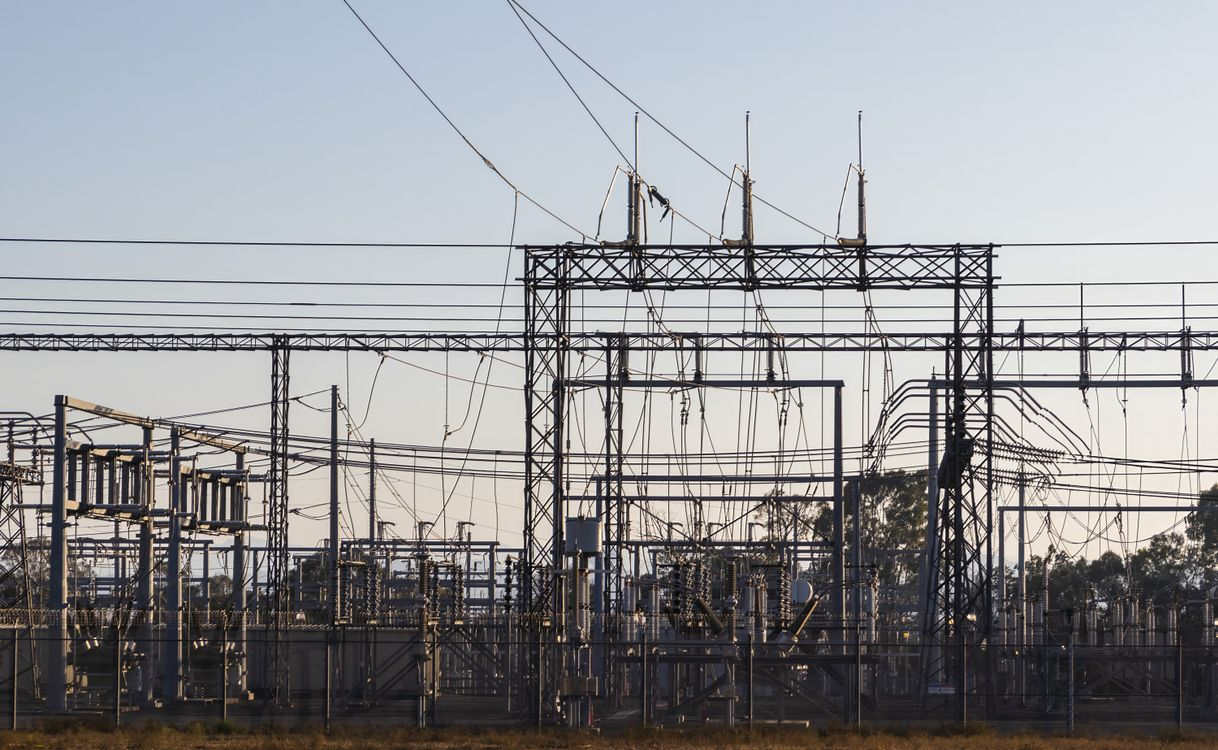
Substations, transformers, switchgear, and transmission equipment can require procurement and installation programmes extending well beyond the construction period of an individual data centre building.
Where several developers seek capacity within the same region, network operators must also assess how their combined requirements affect existing customers and the availability of electricity for other prospective users.
A common framework for cooperation could help developers communicate credible electricity demand forecasts and construction programmes, allowing reinforcement requirements to be assessed earlier in the development process.
Those arrangements would still need to operate within national electricity regulations, planning procedures, and the commercial conditions governing individual grid connections.
Differences between regional electricity markets further complicate efforts to establish a common European approach. Areas with substantial renewable generation may attract computing infrastructure investment, but limitations within local transmission networks can restrict the amount of electricity available at individual sites.
Even where annual renewable electricity production exceeds a facility’s consumption, operators must establish how demand will be supplied during periods when generation is insufficient. Storage, dispatchable generation, and electricity imported through the wider network can contribute to that supply, depending on the facility’s operating requirements.
Energy suppliers are already seeking to influence the treatment of different generation technologies within European data centre policy. Recent research into energy industry lobbying identified at least 54 meetings between fossil fuel industry interests and Commission officials concerning computing infrastructure.
Environmental performance regulation remains separate
While the proposed tripartite agreement relies on voluntary cooperation, the Commission is developing a separate regulatory framework addressing the environmental performance of European data centres.
Its September energy efficiency package introduced a common sustainability rating and labelling framework, building on information collected from operators under existing reporting requirements.
A public consultation examining potential minimum performance standards remains open until 14 December, with a legislative proposal expected during the second quarter of 2027.
Minimum standards could influence investment in electrical distribution, cooling equipment, water management, and heat recovery. Their potential application to existing facilities would also raise questions about the cost and engineering feasibility of retrofits.
The performance of cooling infrastructure cannot be assessed solely through a single environmental metric. Reducing direct water consumption may increase electricity requirements in some installations, while opportunities to use ambient air for cooling vary with climatic conditions and the temperatures required by computing equipment.
Waste heat recovery similarly depends on the availability of suitable customers, distribution infrastructure, and economically viable arrangements for transferring heat from the facility.
European developers will therefore need to assess infrastructure investments against both the emerging development framework and the separate environmental requirements that could govern facilities throughout their operating lives.
The leaked agreement has not been adopted, and its final provisions remain subject to change. The December consultation deadline and subsequent legislative work on minimum performance standards represent separate milestones in determining the conditions under which Europe’s additional computing capacity will operate.

