
Summary
- Comtel and H2-Era Green Valley signed a memorandum on 4 August covering a data centre at the former Bekaert industrial site in Figline Valdarno.
- The wider scheme proposes solar generation, green hydrogen production, vertical farming, fish farming, and recovery of heat from the data centre.
- Planning permission, IT capacity, firm power arrangements, construction cost, and several core engineering specifications have yet to be disclosed.
Comtel and H2-Era Green Valley are developing plans for a data centre within a former industrial site in Tuscany, with the proposed facility connected to a wider system of solar generation, hydrogen production, food cultivation, and heat recovery.
The companies signed a memorandum of understanding on 4 August covering the former Bekaert factory at Figline Valdarno, south-east of Florence. H2-Era is seeking to redevelop the brownfield site as an integrated energy and industrial hub rather than returning it to a single manufacturing use.
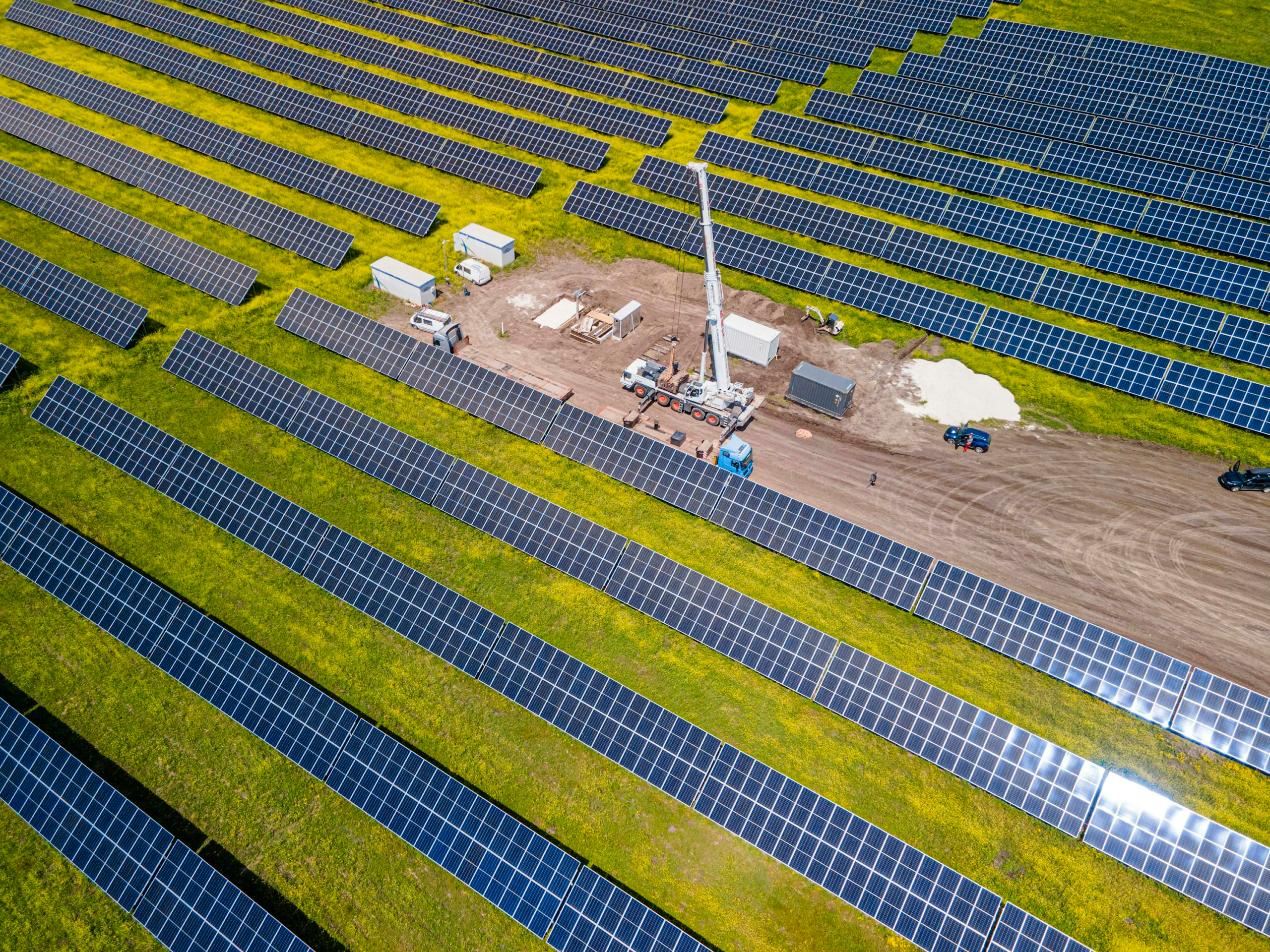
Under the current concept, a large photovoltaic installation would supply electricity associated with the data centre, while surplus generation would feed an electrolyser producing green hydrogen. Oxygen from electrolysis is intended for a closed-loop fish farming operation, and heat recovered from servers would support a vertical farm.
The energy balance remains to be defined
The physical integration is ambitious, but several of the figures needed to test it are still absent. Neither the data centre’s IT load nor its total electrical demand has been disclosed, and published sources disagree over the size of the photovoltaic plant. One account describes 84MW, while Italian renewable energy reporting has cited 100MW.
Until formal project documentation settles that difference, neither figure provides a reliable basis for calculating the site’s energy balance. Solar capacity also cannot be compared directly with data centre demand without considering annual generation, hourly output, storage, grid imports, and the continuous load required by the computing equipment.
A solar project can produce enough electricity over a year to match a data centre’s annual consumption while still leaving substantial periods when the facility draws from the grid. Servers, cooling systems, pumps, and networks continue operating after sunset and through poor weather, so a self-sufficiency claim requires a firm supply architecture rather than an annual accounting balance.
No detailed battery capacity, grid connection, backup power design, or hydrogen-to-power arrangement has yet been published. The electrolyser described in the wider H2-Era scheme is primarily a consumer of surplus electricity, and its inclusion should not be read as evidence that hydrogen will provide resilience power to the data centre.
The heat recovery system carries another set of dependencies. Server heat must be collected at useful temperatures, transferred through mechanical plant, and matched with an off-taker whose demand coincides with data centre operation. A vertical farm can provide a nearby heat load, but its requirements will vary with crop cycles, outside temperature, and the environmental conditions being maintained inside the growing space.
Brownfield redevelopment trades one set of constraints for another
The former Bekaert site gives the project an industrial setting and avoids opening an undeveloped greenfield location, but reusing manufacturing land brings its own engineering work. Existing structures may need demolition or adaptation, ground conditions and contamination have to be understood, and legacy utilities may not match the requirements of a modern high-density data centre.
Comtel intends to bring design, construction, infrastructure integration, and potentially operational capability into the scheme. That would move the business beyond systems integration and into the development and operation of a substantial physical asset, exposing it directly to planning, power, cooling, customer demand, and long-term facility performance.
Location also requires a commercial case. Florence does not have the depth of established data centre infrastructure found around Milan, where carrier density, cloud regions, engineering labour, and existing customer demand have concentrated development. Figline Valdarno will therefore need strong fibre connectivity and a credible customer proposition alongside its energy concept.
The wider project tries to offset that disadvantage by linking several industrial processes on one site. If solar generation, hydrogen, agriculture, and digital infrastructure can exchange energy and by-products efficiently, the development could use resources that would otherwise be wasted.
Each dependency also creates another interface that can fail commercially or technically. A change in data centre utilisation changes recoverable heat. A delay to the solar plant changes electricity sourcing. A vertical farm that is built later than the data centre leaves heat without its intended destination. The economics of an integrated site therefore rely on more than the successful delivery of each component individually.
Planning consent and a defined electrical design will provide the next useful tests. The project will need to establish its IT capacity, grid connection, cooling technology, backup power, water demand, and the actual contribution of solar and storage before claims around self-sufficiency or zero impact can be assessed against operating conditions.
For now, the memorandum establishes a development framework on an industrial brownfield site. Whether the circular energy model works will be decided by the engineering interfaces between the data centre and everything around it.

