
Summary
- The ThermalCool 2100SS is designed for 4U-compatible installations, with maximum flow and pressure specifications of 200 litres per minute and 3 bar.
- The pump uses integrated liquid motor cooling, stainless steel wetted components, and communications interfaces for CDU control systems.
- Gates expects global availability in early 2027, with parallel operation supported for scalable and redundant cooling arrangements.
Gates Industrial Corporation has introduced a compact circulation pump designed for rack-mounted coolant distribution units, extending its data centre thermal management portfolio into equipment responsible for moving coolant through high-density computing installations.
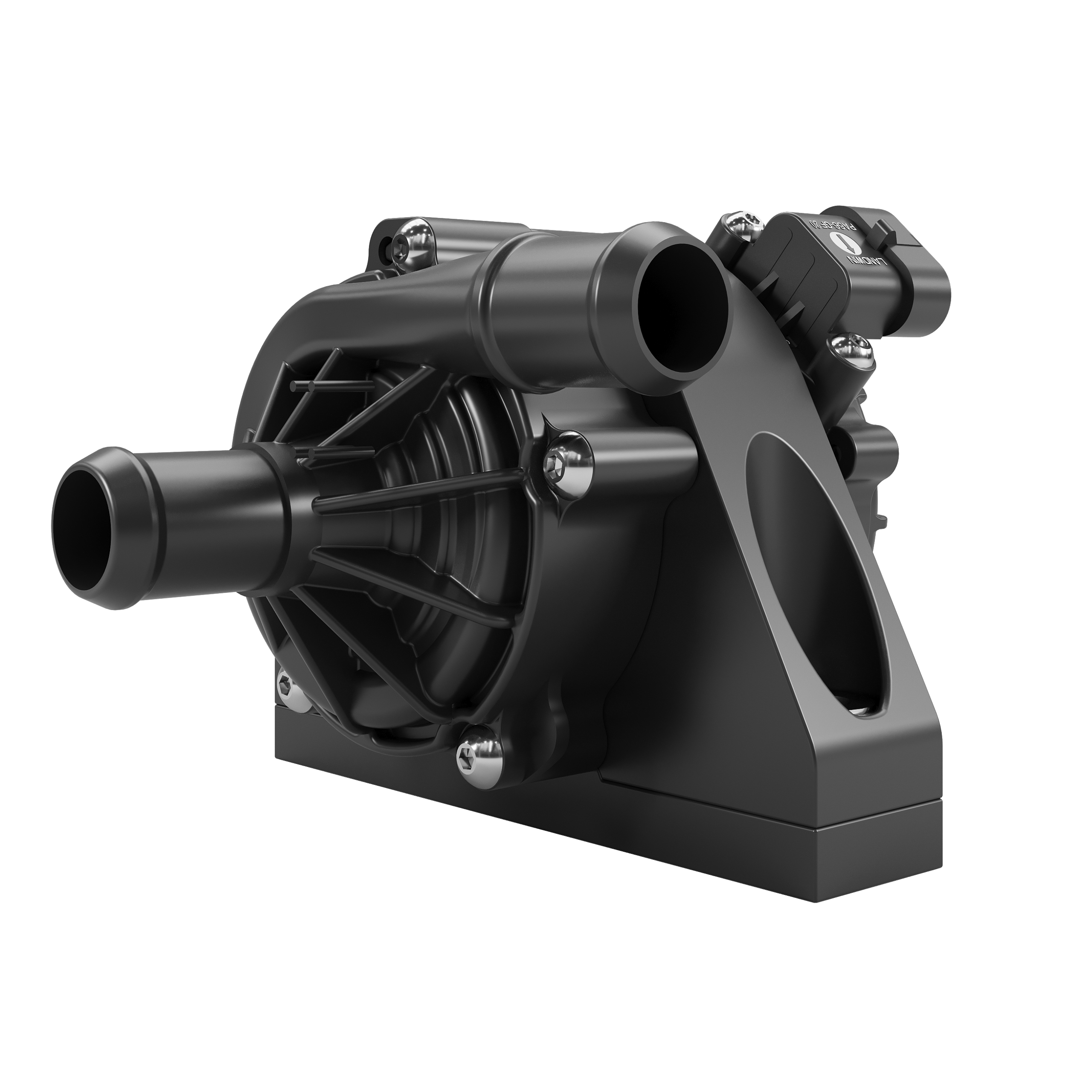
The ThermalCool 2100SS, announced on 12 November, uses stainless steel construction and an integrated liquid cooling arrangement for its motor. It has been developed for coolant distribution equipment compatible with a 4U rack height allocation.
Gates specifies a maximum flow rate of 200 litres per minute and a differential pressure capability of 3 bar. These describe the manufacturer’s stated performance characteristics, with actual operating flow and pressure determined by the hydraulic resistance of the complete cooling circuit.
The pump is designed for use in enclosed coolant distribution units where available space, airflow, and service access can be limited. Its motor is cooled by the circulating fluid, eliminating the need for a separate motor cooling fan or external cooling circuit.
Gates developed the equipment in response to requirements from an unnamed coolant distribution unit manufacturer. The company has subsequently configured the design for wider use in rack-level cooling systems.
The ThermalCool 2100SS is expected to become available globally in early 2027. Engineering samples can be requested ahead of that introduction, but Gates has not identified a completed commercial installation or disclosed customer order volumes.
The launch extends the manufacturer’s existing data centre portfolio, which includes hoses, fittings, quick disconnect connections, and other fluid handling components.
By adding an active circulation pump, Gates is moving further into the equipment used to operate liquid cooling circuits rather than concentrating solely on the components connecting them.
Circulation in compact cooling equipment
Coolant distribution units provide the interface between computing equipment and the facility’s wider cooling infrastructure. They typically incorporate pumps, heat exchangers, sensors, valves, and controls to maintain appropriate coolant conditions for the connected servers.
As high-density computing equipment generates more heat within each rack, cooling systems must transfer that energy away from processors and other components at a rate sufficient to maintain safe operating temperatures.
The required coolant flow depends on several factors, including the heat load, coolant properties, allowable temperature increase, and resistance created by the pipework and connected equipment.
Pumps must overcome pressure losses as coolant moves through cold plates, manifolds, hoses, fittings, and heat exchangers. The relationship between flow and pressure varies with the equipment arrangement, making the complete hydraulic design necessary when selecting a circulation pump.
Gates’ published performance curve shows how the ThermalCool 2100SS’s available pressure changes with flow. Its maximum flow and pressure specifications should therefore not be interpreted as independent guarantees across every operating condition.
The pump’s compact dimensions are intended to help manufacturers accommodate circulation equipment inside restricted rack space. An installation compatible with a 4U height allocation must also provide suitable clearance for pipework, electrical connections, mounting, and maintenance.
Gates offers configurable connections and mounting options to accommodate different coolant distribution unit layouts. The resulting design can be adapted to the arrangement of the surrounding mechanical equipment rather than requiring every customer to use an identical configuration.
Its stainless steel construction and Open Compute Project compliant wetted materials are intended to support use in data centre cooling circuits. Material compatibility remains dependent on the specific coolant chemistry and the requirements of other equipment in the installation.
Motor cooling and redundancy
The integrated motor cooling arrangement transfers heat from the motor into the fluid already passing through the pump. Gates says the design removes the need for a separate fan or additional motor cooling circuit.
This is particularly relevant in enclosed coolant distribution units where airflow around mechanical equipment may be restricted. The pump can transfer its own motor heat into the circulating fluid rather than requiring a separate air cooling path.
That arrangement does not eliminate the motor’s energy losses. The thermal energy transferred into the coolant must ultimately be removed by the facility cooling system, and the overall electrical efficiency will depend on pump operation and the conditions of the circuit.
Gates has not published independent comparisons showing reduced facility electricity consumption against alternative circulation pumps. The principal demonstrated design distinction is the integration of motor cooling within the existing fluid circuit.
The manufacturer specifies IP55 protection and a rated operating life of 50,000 hours. These are equipment ratings rather than evidence that a pump will operate continuously for that period without maintenance or failure.
Parallel operation is supported, allowing equipment manufacturers to configure multiple pumps for additional circulation capacity or N+1 redundancy.
In an N+1 arrangement, sufficient installed capacity must remain available when one designated component is unavailable. Achieving this depends on pump selection, control arrangements, electrical supplies, valves, and the hydraulic design of the cooling circuit.
Installing an additional pump does not, by itself, establish resilience. Shared equipment and connections can still create failure points, while changes to flow may affect the operating conditions of other components.
For monitoring and control, the ThermalCool 2100SS supports CANBUS and MODBUS communications. These interfaces can allow the pump to exchange information with the CDU’s control system, subject to the functions implemented by the equipment manufacturer.
Integration with wider facility monitoring would depend on the CDU controller and its connection to the building management or data centre infrastructure management platform.
The pump is intended for international distribution, including European data centre cooling applications. Gates has not disclosed regional orders or identified a European installation using the new model.
Commercial availability is planned for early 2027. Its eventual performance will depend on how CDU manufacturers integrate the pump with their coolant circuits, control systems, and maintenance arrangements.

