
Summary
- The companies signed a memorandum of understanding on 16 October to jointly develop and market integrated power solutions.
- Ansaldo Energia's gas turbines and generators will be combined with Hitachi Energy's high-voltage, transformer, automation and power electronics capabilities.
- The proposed systems target 50Hz and 60Hz electricity markets, including data centre applications, but no deployment contract or capacity award was announced.
Hitachi Energy and Ansaldo Energia have signed an agreement to jointly develop integrated electricity generation and grid infrastructure solutions for major power users, including data centres.
The memorandum of understanding, announced on 16 October, combines Ansaldo Energia’s gas turbine and generator technologies with Hitachi Energy’s capabilities in high-voltage systems, transformers, automation, power electronics and network integration.
The companies intend to develop and market solutions connecting electricity generation equipment with the electrical infrastructure required to deliver power to large industrial and digital facilities.
The proposed offerings are intended for both 50Hz and 60Hz electricity markets. They could therefore be applied in Europe and other regions operating at 50Hz, as well as in markets using 60Hz supplies.
No particular data centre customer, generating station, site or equipment order was identified. The agreement establishes a framework for technical and commercial cooperation rather than confirming construction or commissioning of new electricity capacity.
Coordinating generation and grid infrastructure
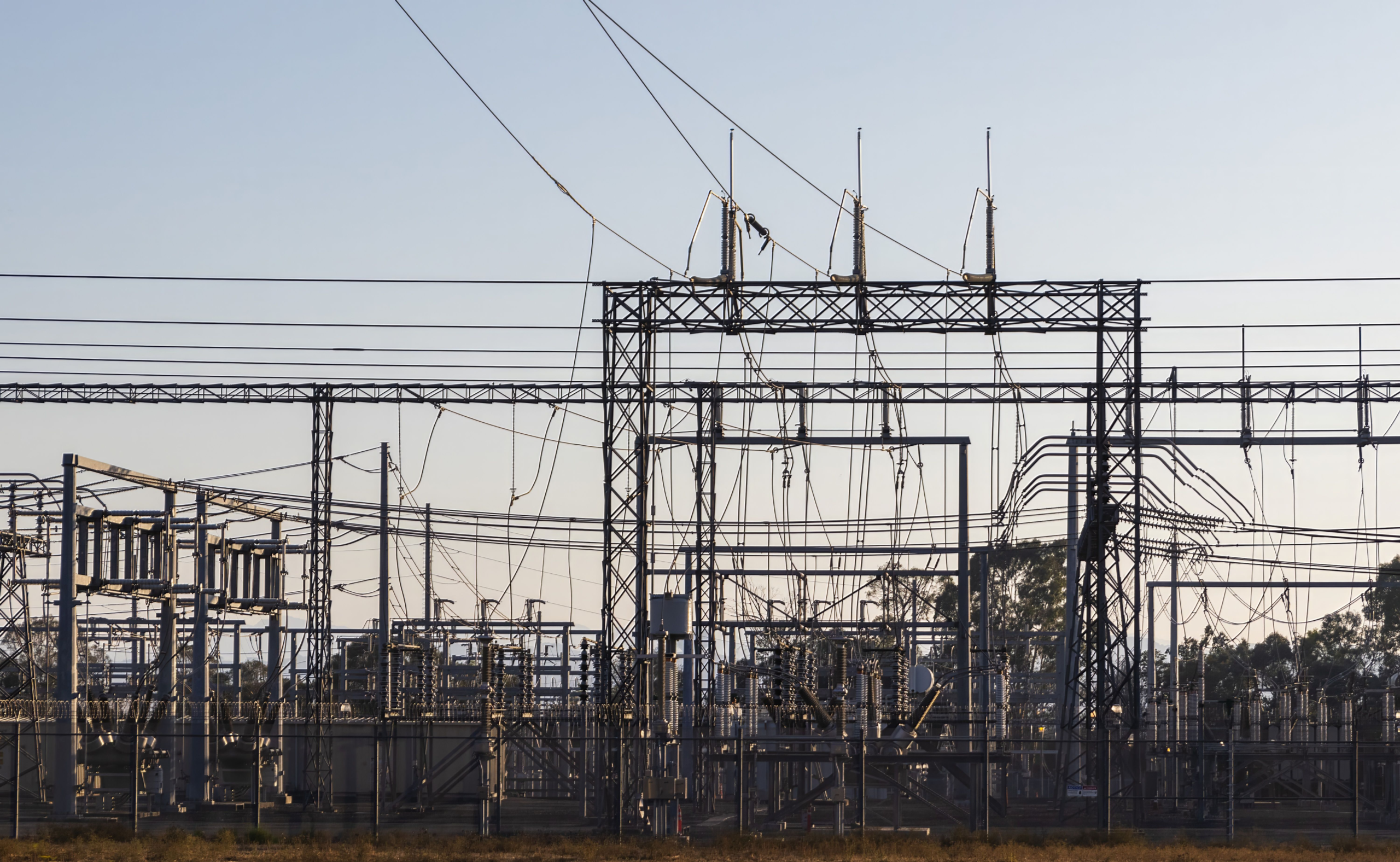
Electricity supply to a large data centre involves several engineering systems that must operate together. Generation equipment may provide power directly or through a network connection, while transformers, switchgear and electrical protection systems regulate how that electricity reaches the facility.
Where a dedicated generating plant is proposed, its equipment must be designed around expected demand, operating conditions and the electrical characteristics of the connected systems.
Generators and turbines provide the source of electrical power. The associated high-voltage infrastructure controls the connection to the wider network or to the distribution arrangements serving the customer.
Protection equipment must respond to faults, while control systems coordinate the operating state of connected electrical assets. Poorly coordinated interfaces can create technical and commissioning problems even when individual equipment packages satisfy their own specifications.
Ansaldo Energia brings experience in gas turbine and generator technology. Hitachi Energy’s contribution concerns the connection, transformation, transmission and management of electricity from generation equipment through to the point where it is consumed.
The memorandum is intended to combine those activities within jointly developed offerings. That could allow customers to coordinate generation and electrical infrastructure decisions earlier in a project, rather than relying entirely on separately procured systems.
However, the companies have not published project-specific engineering results demonstrating shorter construction times, reduced costs or improved availability. Their claims about faster access to electricity remain objectives of the proposed collaboration.
The planned offering covers multiple categories of large electricity consumer. Data centres form part of the intended market alongside energy hubs and other industrial applications requiring substantial power supplies.
Data centre power remains a wider system challenge
Large computing installations have become an important source of new electricity demand, particularly where AI infrastructure requires high-density processing equipment and supporting cooling systems.
The availability of generation equipment can address only part of a project’s electrical requirements. Developers must also secure suitable sites, fuel arrangements where applicable, environmental permissions, electrical distribution infrastructure and reliable operating procedures.
A gas turbine-based supply arrangement would introduce further considerations around combustion emissions, fuel security, equipment maintenance and the operating relationship with the electricity network.
Those requirements vary between jurisdictions. A solution considered suitable for an American project cannot automatically be assumed to satisfy European grid codes, environmental permits or operating conditions.
The Hitachi Energy–Ansaldo agreement explicitly includes both 50Hz and 60Hz markets, but neither company has identified a European data centre development that has adopted the proposed equipment.
Its reference to accelerating electricity availability should also be distinguished from obtaining a grid connection. Integrating generation and electrical distribution may improve engineering coordination, but it does not remove the need for statutory approvals or network agreements.
Hitachi Energy intends to connect the collaboration with HMAX Data Center, part of Hitachi’s broader infrastructure management offering. The announcement describes support for more integrated and autonomous data centre power operations through the company’s wider technology portfolio.
Autonomous operation in this context concerns the coordination and management of infrastructure. It should not be interpreted as evidence that a proposed data centre can operate indefinitely without an external electricity system, fuel input or other energy supply.
Even where generation and distribution equipment are available, computing infrastructure cannot enter service until electrical protection, power continuity, cooling and related systems have been tested and commissioned.
Such distinctions have become increasingly significant as data centre developers seek to secure substantial electricity capacity before completing their facilities. An equipment supply strategy is separate from the approval, energisation and continuous operation of a particular installation.
DataCentral previously examined Echion Technologies and Proper Voltage’s proposed 1.6MW data centre UPS storage system. That agreement addresses short-duration power continuity and energy storage, while the Hitachi Energy–Ansaldo collaboration focuses on generation and the wider electrical systems serving large loads.
Although these technologies may appear within the same facility, they perform different functions and should not be treated as interchangeable sources of electrical capacity.
Hitachi Energy and Ansaldo Energia have not disclosed when the first jointly developed offering will be available, which customers may adopt it or what technical performance it will achieve.
The next substantive milestone will be a defined product, customer agreement or project deployment with identifiable specifications and delivery responsibilities. Until then, the confirmed development remains a cooperation memorandum, not new generating capacity or an operational data centre power installation.

