
Summary
- A 75MVA Hitachi transformer is the third and final major transformer installed at Pure DC's LON01 campus.
- Restricted access around the live substation required a 1,000-tonne-capacity gantry rather than a conventional crane.
- The company plans energisation later in October; installation does not mean the equipment is energised.
Pure Data Centres Group has installed the third and final major power transformer at its LON01 campus in Brent Cross, north London, completing an equipment installation stage for the site’s dedicated electrical infrastructure ahead of planned energisation later in October.
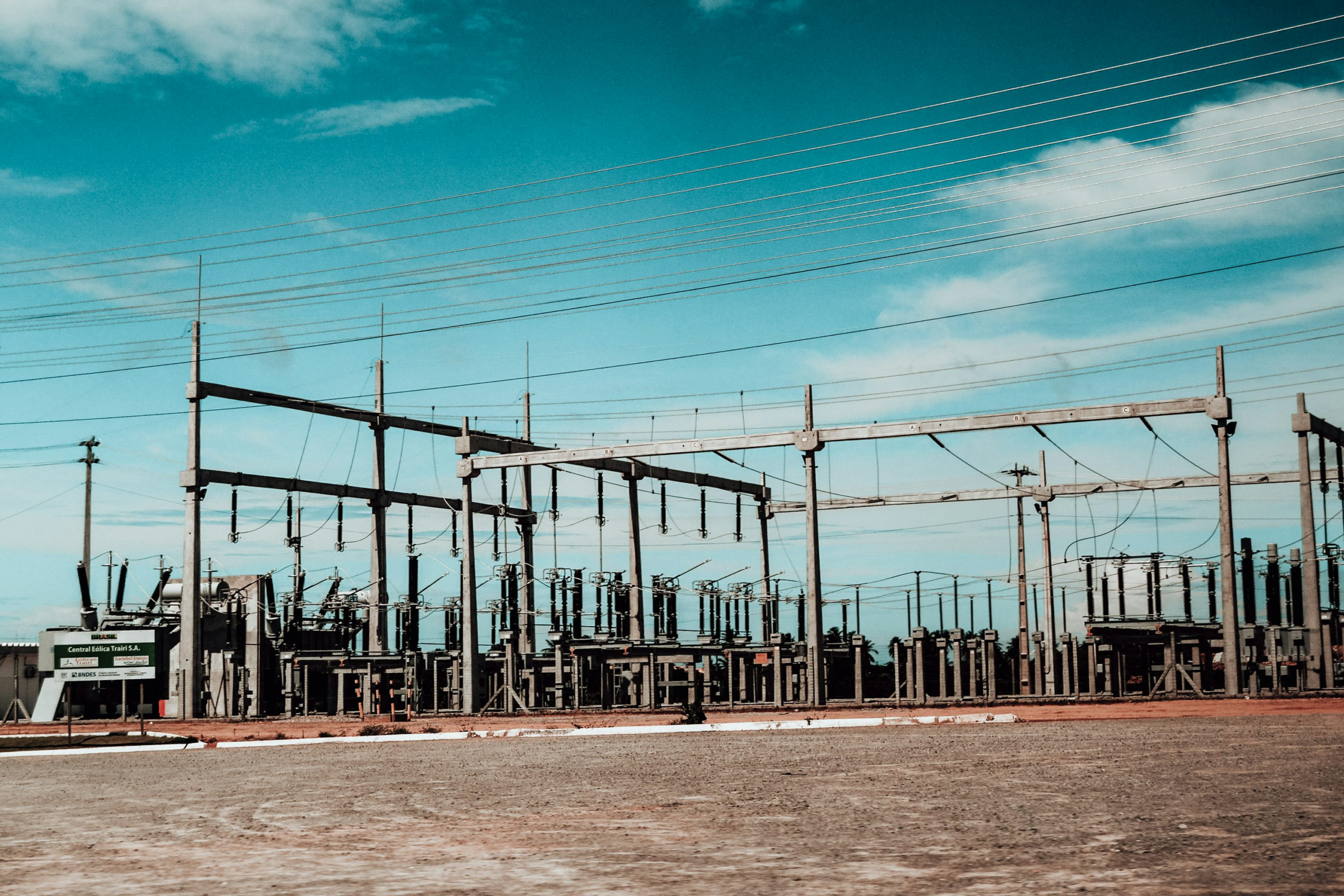
The new Hitachi transformer is rated at 75MVA. Pure DC says the three-transformer arrangement provides a combined substation capacity of 150MVA and supports the 90MW campus, including electrical distribution for its B1 and B2 buildings. The ratings describe different aspects of the system: transformer apparent-power capacity is not the same as the site’s stated data centre megawatt rating or its current operating load.
The installation presented an unusual lifting challenge. Restricted space around the live substation prevented use of a conventional 500-tonne crane. The project team instead employed a specially engineered gantry with 1,000 tonnes of lifting capacity to move the transformer into its final position.
Pure DC says the lifting operation took approximately four hours, with MGE Group and specialist logistics suppliers participating alongside the operator’s project team. The claimed gantry capacity describes the lifting system’s rating, not necessarily the transformer mass.
Electrical delivery depends on constrained site logistics
Pure DC dates the transformer programme from manufacturing in Colombia in March 2025. Factory testing was completed in June 2026, after which the unit travelled by sea to the United Kingdom. The final movement to Brent Cross required route planning, temporary road closures and local authority permissions.
Large power transformers are long-lead assets, with manufacturing, testing and delivery programmes often determining when a data centre can energise new electrical sections. Installation is only one milestone. Oil handling, electrical testing, cable terminations, protection settings, commissioning and network-authority processes may still be required before the equipment enters service.
At LON01, Pure DC says ductwork for the connection to B2 is already in place. That preparation reduces one physical interface still to be completed, but is not evidence that B2 has begun receiving electricity through the new transformer or that all data halls are available for occupancy.
Apparent power and real power should also be separated when describing the substation. Transformer nameplate ratings are generally expressed in megavolt-amperes, while a campus capacity figure is commonly quoted in megawatts. The relationship depends on operating power factor and the relevant design boundary. Simply adding the transformer ratings to the campus IT load would produce a misleading description of available computational capacity.
The physical installation must also be integrated with protection equipment and the broader electrical distribution system. A successful heavy lift verifies positioning, not cable integrity, relay settings or sustained operation at load. Until commissioning is complete, the asset should be described as installed rather than carrying power.
The operator describes the campus as a 90MW development planned to accommodate high-density cloud and AI workloads using closed-loop liquid cooling. A campus design rating cannot establish the amount of contracted customer capacity, commissioned computing infrastructure or instantaneous electricity demand on the date of installation.
Gantry installation reduces a difficult access constraint
Specialist gantry lifting can offer an alternative where a crane cannot be accommodated safely within the working envelope. Such operations still require engineered foundations or bearing points, controlled movement paths and careful separation from live electrical assets. Pure DC has not published the complete lift plan or every engineering check involved, so the reported operation should not be characterised as an industry record.
The substation’s availability is central to the relationship between power delivery and computing expansion. A completed building is not equivalent to usable data centre capacity until electrical distribution, cooling, life-safety systems, controls and customer equipment have been appropriately commissioned.
Pure DC says its final transformer installation concludes an 18-month manufacturing and logistics programme. The operator has not announced a completed energisation or independently measured performance under customer load. Its next stated milestone is energisation later in October.
Physical placement of the transformer brings the power programme closer to completion. However, protection testing, commissioning and energisation remain separate milestones, and the campus’s planned 90MW cannot be described as operating capacity on this evidence.

