
Summary
- Glencar will deliver the West Cold Shell for Pure DC’s LON01 B2 building at Brent Cross.
- The phase adds 23,186 sq m and forms part of a wider campus planned for 90MW.
- The project highlights London’s live-campus construction challenge as capacity is added in dense urban locations.
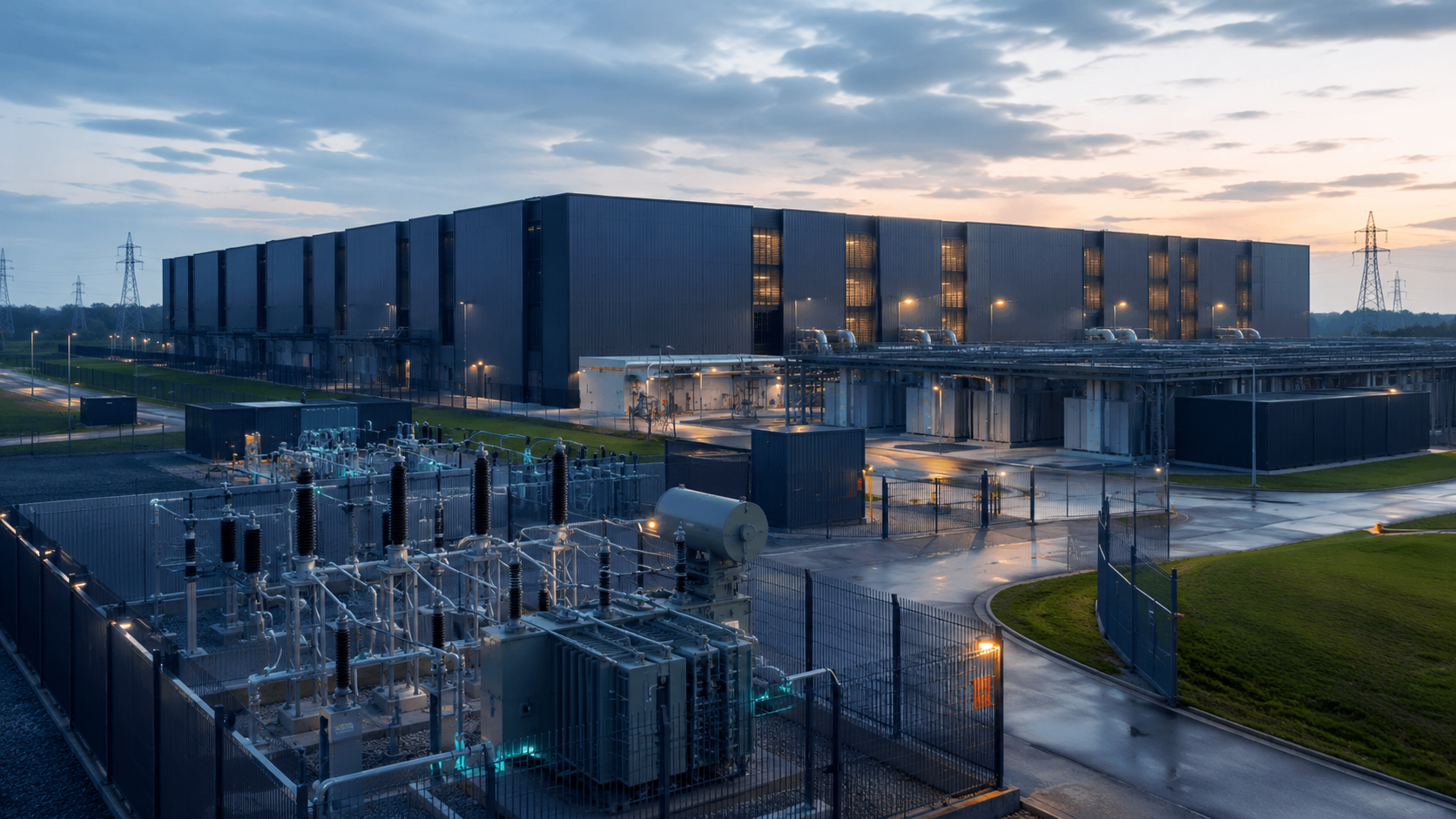
Pure Data Centres Group has appointed Glencar to deliver the next major build phase at its Brent Cross campus in North London, extending the site by 23,186 sq m as the wider development moves toward 90MW of total capacity.
The new facility, known as LON01 B2, follows the existing 20MW B1 building, which is already operational and leased. Completion of B2 is scheduled for the second quarter of 2029.
Pure DC’s project update says Glencar’s scope covers the West Cold Shell, including piling and foundations, structural frame, connections to the adjacent East Cold Shell, concrete and slab works, stair cores, envelope, and roofing.
The work will be carried out on a live operational campus, with Building 1 already in service and the East Cold Shell in fit-out. That makes sequencing, logistics, site access, safety, and coordination between construction and operational teams part of the delivery risk rather than background activity.
London capacity is being added in harder places
Brent Cross is not a remote greenfield campus. It is an urban London site, close to transport infrastructure, local communities, the North Circular, and Brent Reservoir. Pure DC has also highlighted a living wall planned for the façade, spanning approximately 7,400 sq m and incorporating more than 750,000 plants, with claimed benefits around biodiversity, noise reduction, and air quality.
Those commitments sit alongside a practical construction problem: adding high-capacity technical space in a dense location while keeping existing infrastructure live. Urban data centre programmes must manage traffic movements, constrained delivery windows, noise, neighbouring uses, environmental commitments, and the interface with operational systems. Delays in shell work can quickly affect MEP fit-out, energisation, commissioning, customer handover, and revenue timing.
Cold shell delivery is only one stage in turning a building into usable IT load. The site still needs electrical infrastructure, cooling plant, controls, fire systems, security, testing, and customer-specific fit-out before capacity can be handed over. Rising AI rack densities increase the complexity of those later phases, particularly around power distribution, heat rejection, liquid-cooling readiness, and the ability to support different deployment models.
London remains one of Europe’s most important digital infrastructure markets because of connectivity, enterprise demand, cloud presence, and proximity to financial services and media workloads. Securing new capacity inside that market is becoming harder as power availability, land competition, planning scrutiny, and construction cost inflation all shape development programmes.
Pure DC’s Brent Cross campus shows how operators with controlled urban sites can still add significant capacity, provided construction, power delivery, and customer demand remain aligned across a long programme. The next indicators will be the pace of shell completion, progress on fit-out, power infrastructure milestones, and whether demand remains strong through the 2029 completion target.

